Innsbruck Itinerary: A Walkable 1–2 Day Plan by Neighborhood
A practical Innsbruck itinerary through the Old Town, Maria-Theresien-Straße and the Golden Roof, with how to fit the city into a longer Austria route.
On this page
One day in Innsbruck covers the compact core on foot: the Golden Roof and the lanes around it, the City Tower, Maria-Theresien-Straße with its Triumphal Arch, and the Hofburg and Hofkirche, with an evening along the Inn. Two days add Ambras Castle or the Wilten Basilica in the south and a half-day on the Nordkette. This itinerary orders the stops by neighborhood so you cross the river only when it makes sense, and it separates the free exteriors from the paid interiors so you can cut a sight without wrecking the day.
How Innsbruck is laid out
The city takes its name from the river Inn and the bridge that crossed it, and the river still splits Innsbruck in two; the historic core, the Altstadt, sits on the south bank, with the Nordkette range rising above the city to the north. Almost everything in this plan sits within walking distance of the Old Town, which is why the plan works on foot, and most sights cluster around the Altstadt. The main station lies at the southern edge of the center, a short walk from Maria-Theresien-Straße, so you can drop bags and start walking without a bus or taxi.
Use the river as your edge, not a divider you cross repeatedly. The Altstadt with the Golden Roof, Maria-Theresien-Straße, the Triumphal Arch, the Hofburg and the Hofkirche all sit on the same south-bank urban side, so you can walk the whole spine in one line and cross the Inn only for the Mariahilf row houses on the opposite bank at dusk. Grouping sights this way is what keeps a one-day plan from turning into a zigzag.
Morning: Golden Roof, Helbling Haus and the Old Town lanes
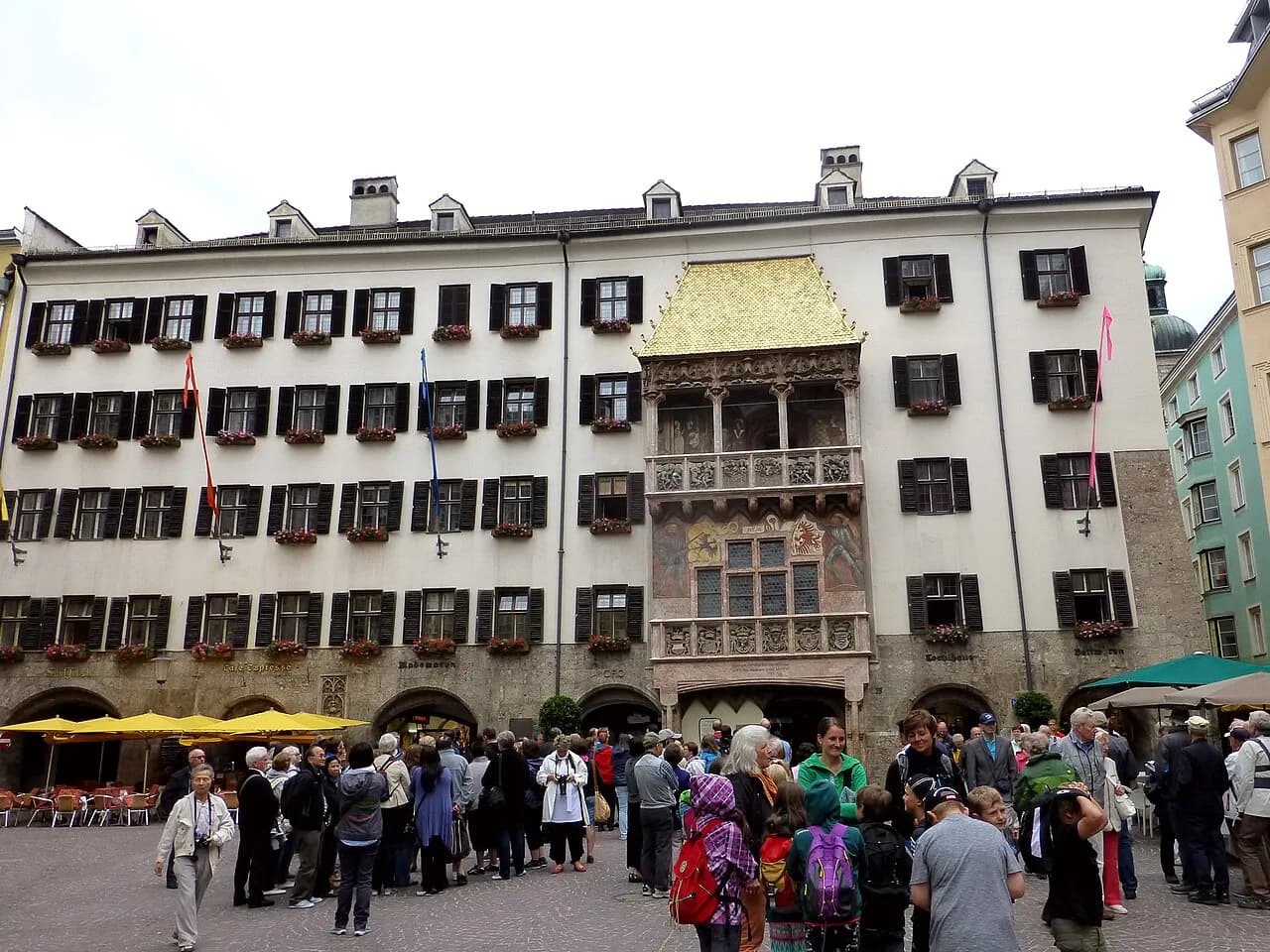
Start in the Altstadt while it is quiet. The Golden Roof, the Goldenes Dachl, was built in the early 1500s for Emperor Maximilian I as a balcony above the square, topped with 2,657 fire-gilded copper tiles that read as gold from below; the façade reliefs and frescoes tie into his marriages and dynastic alliances. Seeing it from the outside costs nothing and takes minutes, and the small museum inside covers Maximilian I and the history of the balcony if you want the context.
Right beside it, the Helbling Haus is the other building worth stopping for: a medieval house dressed in a rococo stucco façade of swirls, shells, floral motifs and curved window frames in soft pastels. Then walk the surrounding lanes without a fixed route, since the appeal here is the dense run of old façades and arcades rather than any single address. If the morning is running long, skip the interior museum and keep the exteriors, which carry the day.
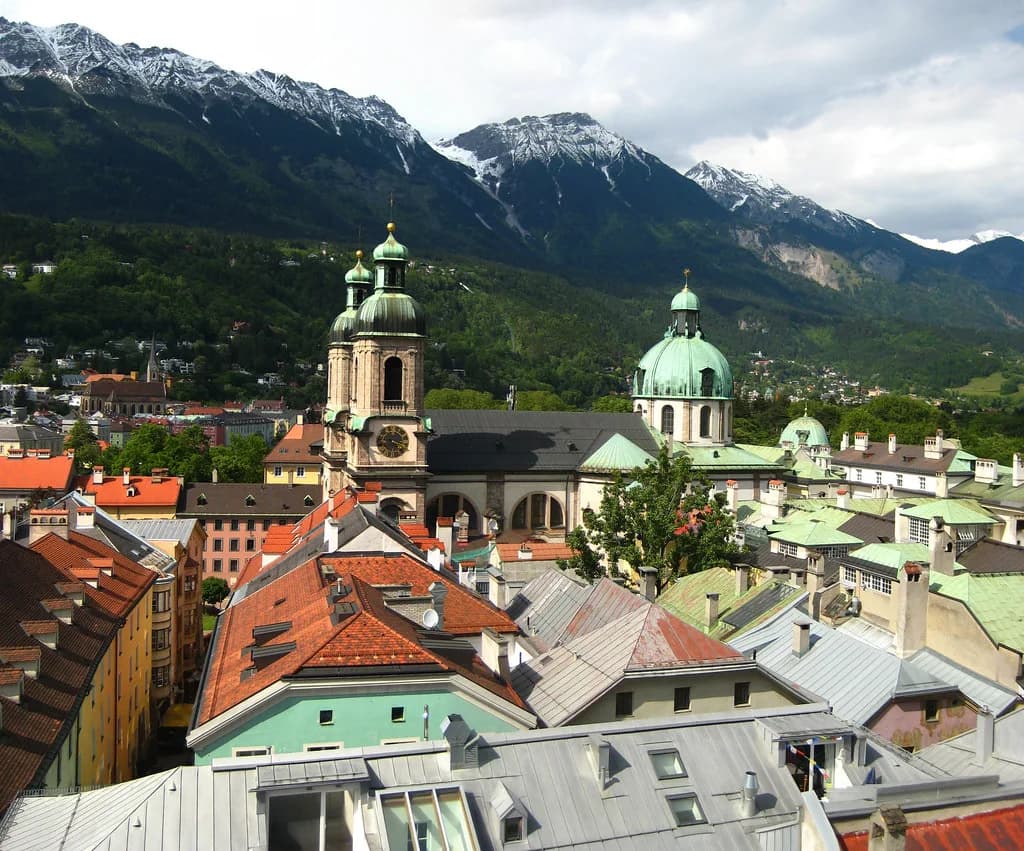
Before leaving the old center, look in on the Dom St. Jakob, the Cathedral of St. James, and the Hofkirche nearby, both of which sit within the same compact block. A short detour to the churches is easy to fold into the morning, and it lets you decide from the doorway whether the interiors deserve more of your time.
Climbing the City Tower for Old Town views
The City Tower, the Stadtturm, gives you a 360-degree look over the Old Town rooftops, and it is the single best orientation stop in the morning because it shows you exactly how small the historic core is. Climb it early, before the lanes fill, and use the view to pick which lanes to walk next rather than following a list. If stairs are not your thing, the same skyline reads well from the square below at no cost.
Maria-Theresien-Straße, the Triumphal Arch and the imperial axis
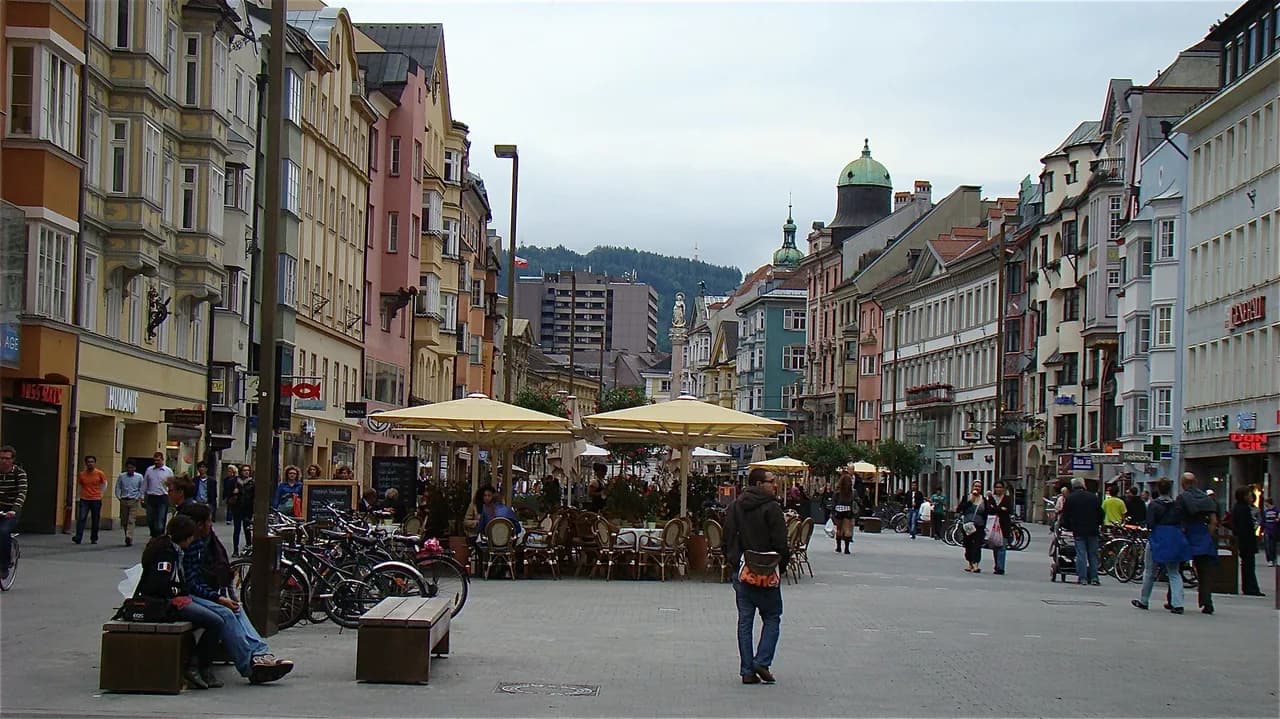
Walk south out of the Old Town onto Maria-Theresien-Straße, the broad shopping street that carries the city's imperial set pieces. At its southern end stands the Triumphal Arch, the Triumphpforte, which is unusual for telling two stories on two faces: one side commemorates a wedding, the other a death in the imperial family. It is a five-minute stop that pays off if you read both sides.
This axis is the natural lunch boundary: you finish the morning with the free streetscape and start the paid interiors after a break, so you are not paying admission while hungry. Keep the street as your spine and step off it only for the two sights below.
Hofburg and the Hofkirche with its 28 statues
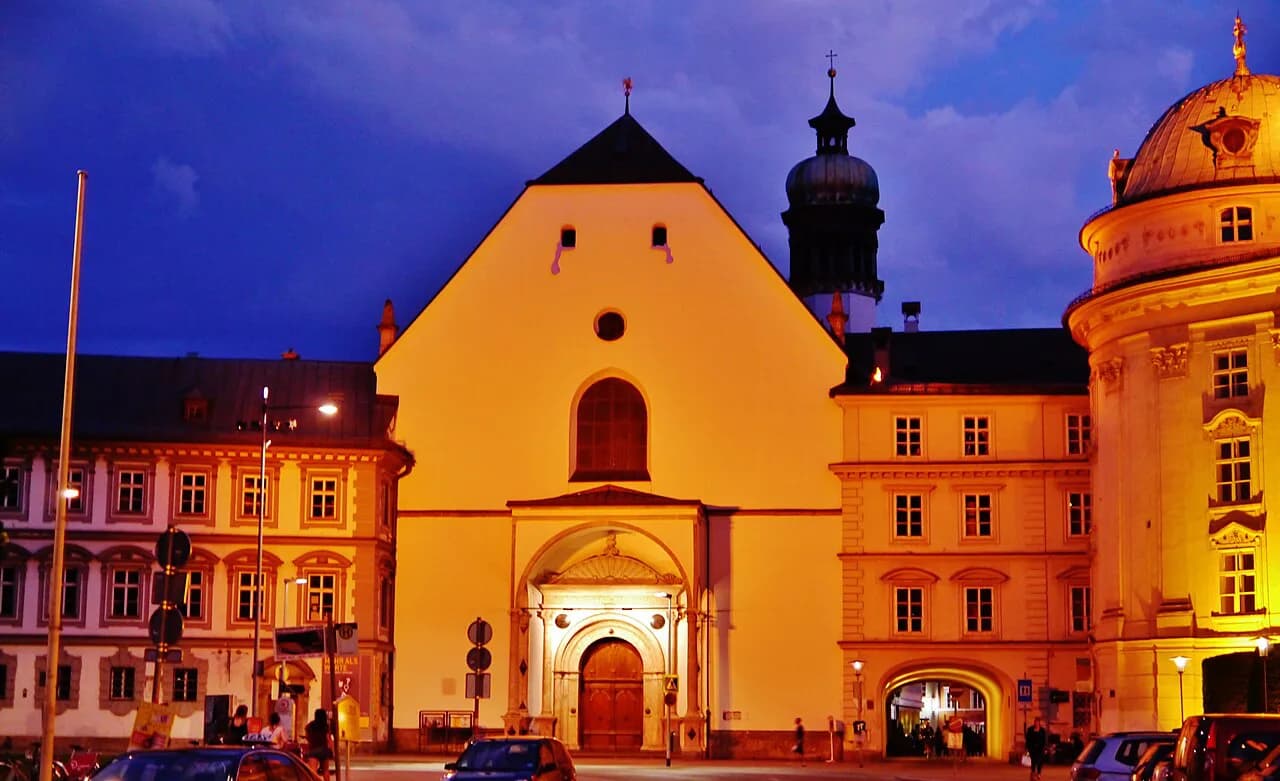
The Hofburg, Innsbruck's Imperial Palace, is one of the city's two imperial residences and the larger interior stop of the day; the Innsbruck City Card includes entry to it, along with Ambras Castle and more than 20 other attractions. The Hofkirche, the Court Church, holds the 28 giant bronze statues around the tomb of Emperor Maximilian I, a set that justifies the detour on its own even if you skip the palace.
This is where the plan bends. If you have one day, pick one of the two interiors and give the other a pass from the courtyard; with two days, do both and let the morning run longer. Check the Hofburg and Hofkirche pages for opening times before you commit, since church and palace access can vary by day.
Lunch break in the Old Town
Eat back in the Altstadt rather than on Maria-Theresien-Straße, so the afternoon starts from the north side of the center. Innsbruck's restaurant list runs from Tyrolean plates to modern rooms, so compare menus and prices before you sit down and pick the kitchen that matches your budget.
Book or arrive early for a sit-down lunch in high season, or take a stand-up snack and keep the break to 45 minutes so the afternoon still has room for one paid sight. Either way, leave the table with a decision made about the afternoon: museum or mountain, not both.
Afternoon choice A: museums
The Tirol Panorama with the Kaiserjägermuseum pairs a giant circular painting of the 1809 Tyrolean fight with the imperial infantry museum, and it sits near the Bergisel, so it stacks naturally with the ski jump. The Tyrolean Folk Art Museum, the Tyroler Volkskunstmuseum, is the better pick if you want craft and domestic interiors rather than military history, and it keeps you in the old center.
The Grassmayr Bell Museum, attached to a working bell foundry, is the specialist option and works best if you have a second day or a rainy afternoon to spare. Choose one museum, not three: each takes an hour or more, and the point of the neighborhood ordering is that you are not crossing town between them.
Afternoon choice B: up to the Nordkette
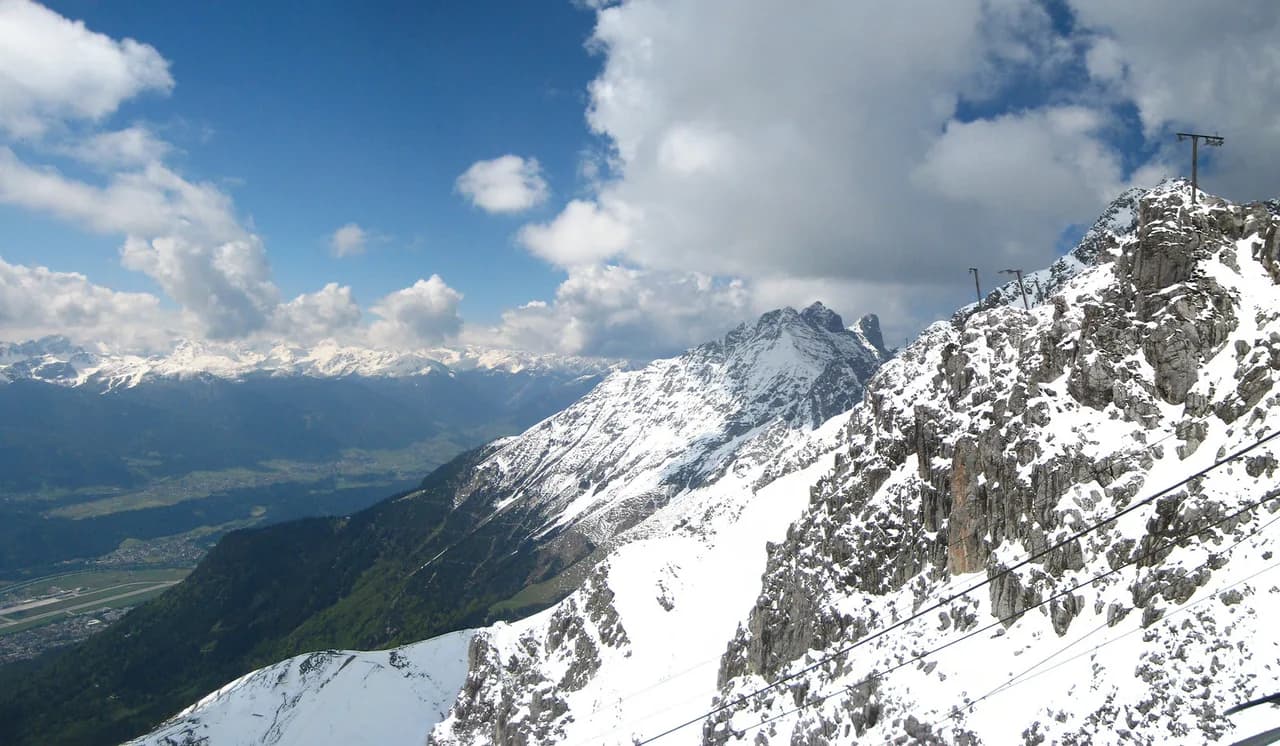
The Nordkette cable car lifts you from the city edge to high mountain viewpoints above Innsbruck, and it is the one experience here that genuinely changes what you see of the city rather than adding another interior. Treat it as a half-day swap, not an add-on: ride up, spend time at the top, and come down with the late afternoon rather than trying to squeeze a museum in before or after.
The Innsbruck City Card includes a round-trip ride on the Nordkette cable car along with public transport in the city and entry to the major museums, in 24, 48 and 72 hour versions. That combination is the card's real argument: if you plan on the Nordkette plus two or three paid sights in a short visit, the bundle does the arithmetic for you, and if you are doing free exteriors and one museum it does not.
Bergisel Ski Jump as an add-on
The Bergisel Ski Jump, the tower above the city, is a short trip south of the center and belongs with the Tirol Panorama rather than with the Old Town. Go only if you are already heading that way, since the jump and the panorama museum together fill an afternoon and the view from the top duplicates what the Nordkette gives you more dramatically.
Evening walk: the Mariahilf row houses and the river
End the day across the Inn in Mariahilf–St. Nikolaus with the Mariahilf row houses, the pastel terrace along the river that is Innsbruck's most photographed corner, best seen from across the water. Many of the houses date to the mid-1600s, but the bright colors are a 1950s repaint after World War II air raids damaged the area, which is worth knowing when the postcard look seems almost too neat.
Walk the Mariahilf bank as the light drops, then cross back to the Old Town side for dinner. In summer the outdoor terraces along the water stay busy well into the evening; in the shoulder months, plan the walk for the last hour of daylight and keep dinner indoors.
A second day: Ambras Castle and the Wilten Basilica
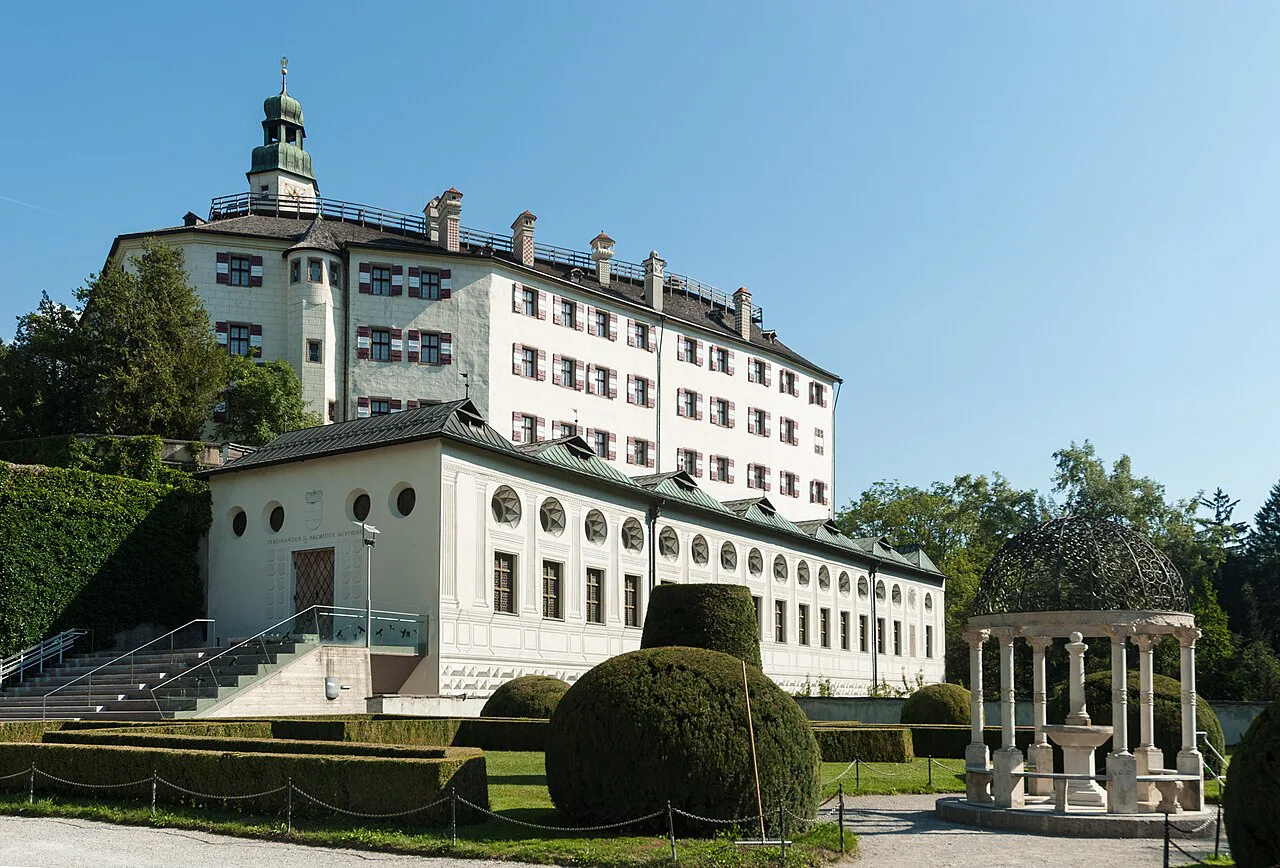
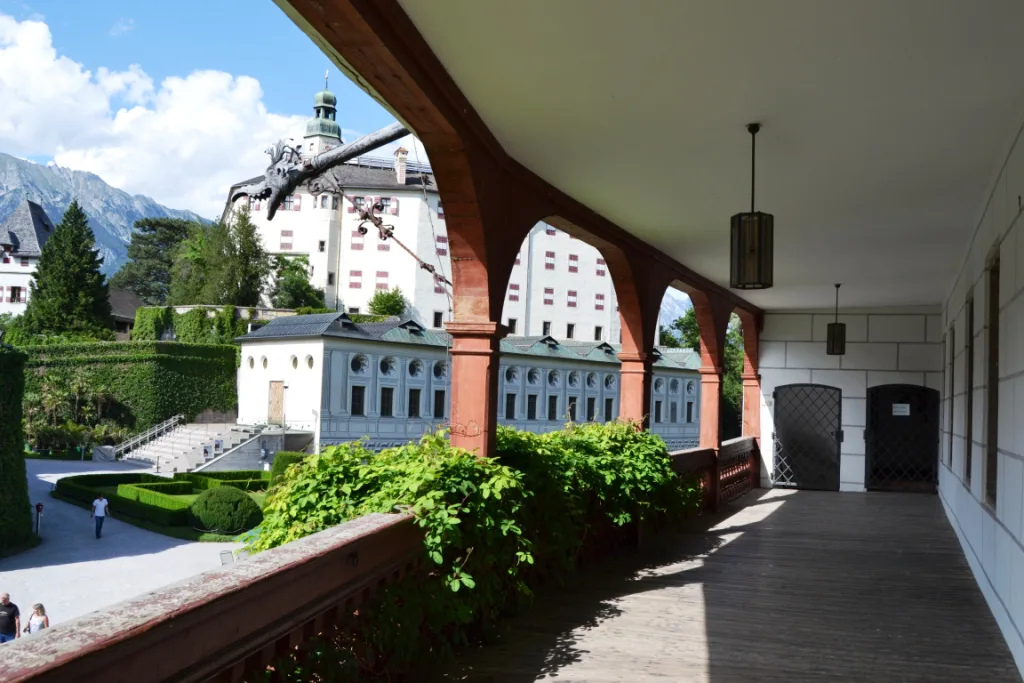
With a second day, head south to Ambras Castle, the Renaissance palace that the City Card also covers, and give it a half day rather than an hour. On the way back, stop at the Wilten Basilica, the Basilika Mariae Empfängnis, a baroque church in the Wilten district whose interior is the draw.
Alternatively, use the second day for the state rooms of the Hofburg or the Golden Roof museum you skipped on day one, which keeps you in the center and costs you no travel time. Either version leaves the evening free for a second river walk or for the funicular side of town.
Using the Innsbruck City Card
The card bundles entry to more than 20 attractions, public transport in the city, a round-trip on the Nordkette cable car, one bike rental and a guided welcome tour that runs June through September, in 24, 48 and 72 hour versions. Buy it only if your plan stacks several paid sights plus transport; on a one-day walk of free exteriors and one museum, pay as you go and keep the flexibility.
Fitting Innsbruck into a route through Austria
Innsbruck works as a stop between Salzburg and the Tyrol rather than a standalone destination: trains on the main east–west line put the city a straightforward ride from Salzburg, and the station sits close enough to the center that a half-day on arrival is realistic. Confirm times on the ÖBB timetable before you build the day around them, especially if you are connecting onward into the Alps or toward Zell am See and the Grossglockner road.
If you arrive by car, park once and walk: the core is compact, and the paid sights cluster within minutes of each other. Travelers continuing east toward the Salzkammergut should treat the train as the default and the car as the option for the mountain roads beyond the city.
Where the plan bends: closures, tour times and daylight
Two things reliably reshape this itinerary: opening hours at churches and palace interiors, and early darkness from late autumn through winter. Check the official pages of the Hofburg, the Hofkirche and the museums for the day you plan to visit before locking the order, and put the outdoor sight you care most about first in the short-daylight months. Mondays are worth checking individually for each museum, since opening days vary between them rather than following one citywide rule.
Snow closes the high mountain roads around Innsbruck in winter, so a plan built on a cable car or a mountain drive should have a city substitute ready: the Hofburg, the Folk Art Museum or the Golden Roof museum all work on a short, cold day.
Which version of the walk to take
Take the one-day route if Innsbruck is a stop on a longer Austrian itinerary: Old Town and Golden Roof in the morning, Maria-Theresien-Straße and the Triumphal Arch at midday, one interior in the afternoon, row houses at dusk. Add the second day for Ambras and Wilten only if you are staying overnight twice, and swap the afternoon interior for the Nordkette if mountain views matter more to you than imperial rooms.
Decide on the City Card before you buy your first ticket, since it only pays off if you are stacking several paid sights with transport, and check the official pages for opening days and access times the week you travel.
Explore more Innsbruck guides
Sources
Notes for your next Austrian town break
Optional updates when we add or revise town guides.
You might also like
Continue reading
More guides you'll find useful