Innsbruck in Summer: Old Town Sights, Nordkette and What's Open
Innsbruck in summer means a compact old town, Nordkette cable cars above the rooftops and baroque churches in walking distance. Here is how to plan the day.
On this page
Innsbruck in summer works because the city is short: the Goldenes Dachl, the Hofgasse, the Stadtturm and two imperial churches all sit within a few minutes of each other, and the Nordkette cable cars start at the Kongresshaus on the edge of the center. The money question is where you stop on the mountain, and the time question is which sights you stack into one old-town walk and which need a separate trip. This guide covers both, plus the Alpenzoo, Schloss Ambras and the medieval center of Hall.
What summer adds to an Innsbruck visit
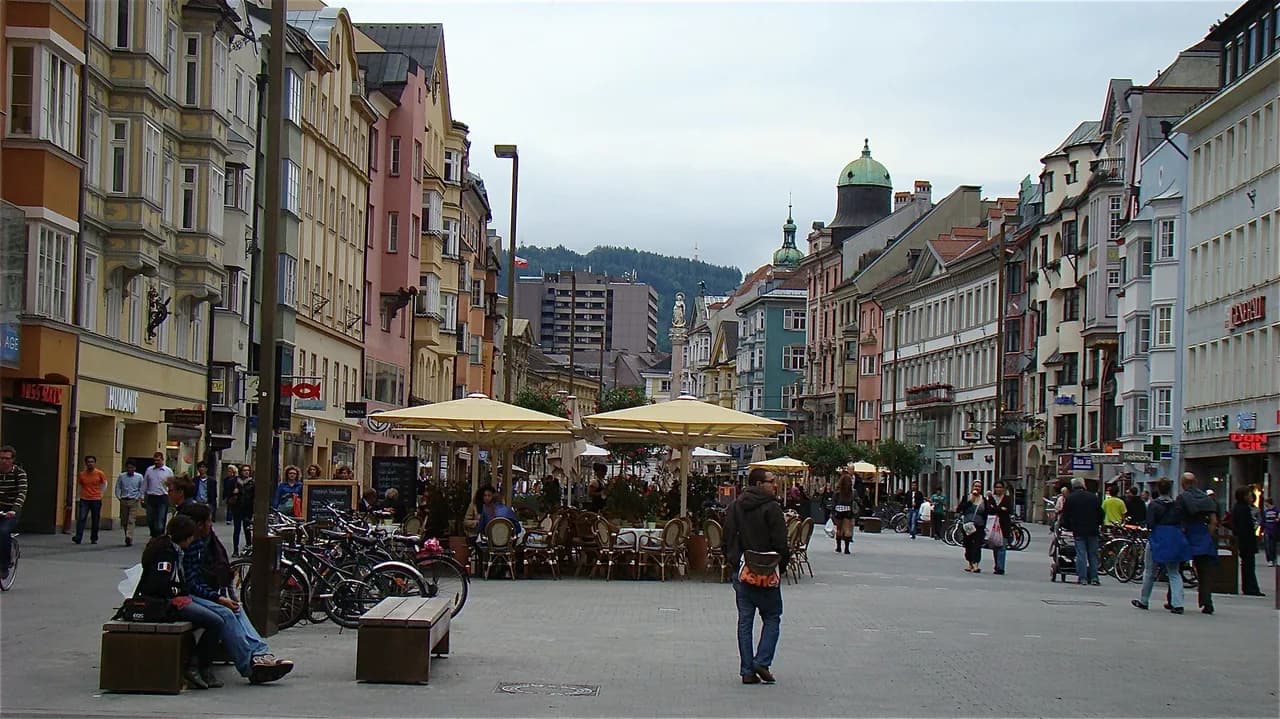
Summer gives Innsbruck long daylight and dry, walkable streets, which matters because most of the center is a pedestrian zone of cobbled lanes where a car is a liability. The season also opens the high viewpoints: the Nordkette chain and the Bergisel ski jump both reward a clear day rather than a cloudy one. Plan the outdoor set pieces for the morning, when the light on the Nordkette is cleanest and the old town has not yet filled with day groups.
The trade-off is midday heat on stone squares with little shade, so build the day around a shaded stretch along the Inn or a museum interior between roughly noon and mid-afternoon. The Innpromenade behind the old university buildings is the obvious summer breathing space, and it also gives you a flat walk toward the Hungerburgbahn. If the forecast turns, the imperial interiors below are a complete substitute program.
The old town core on foot
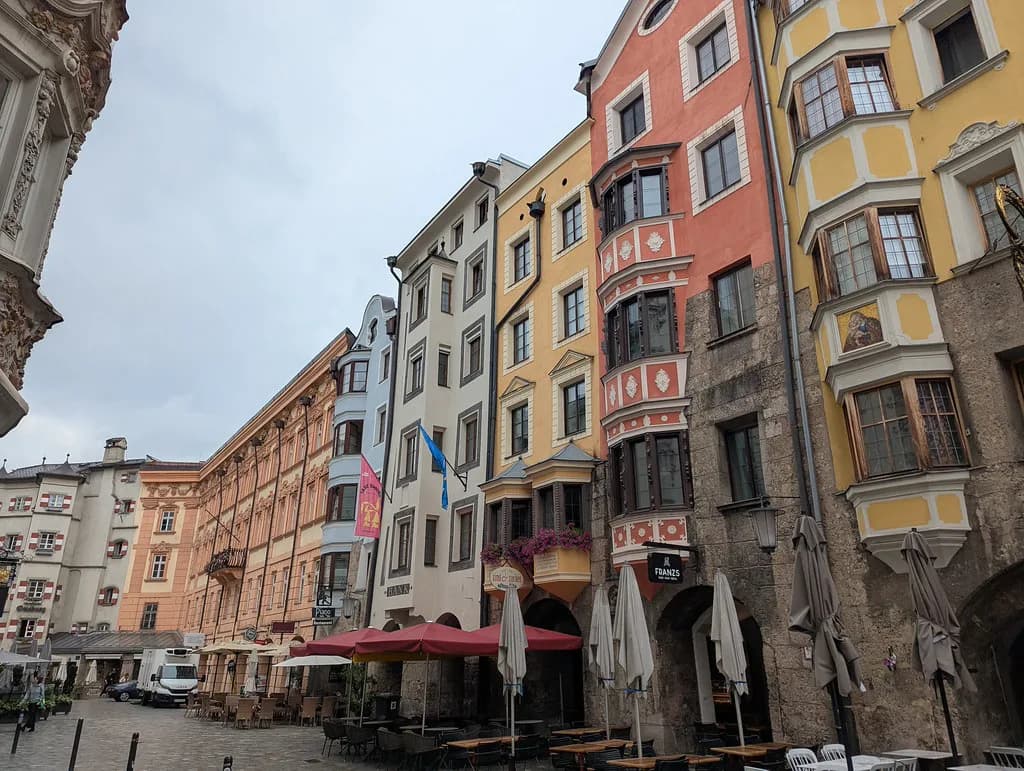
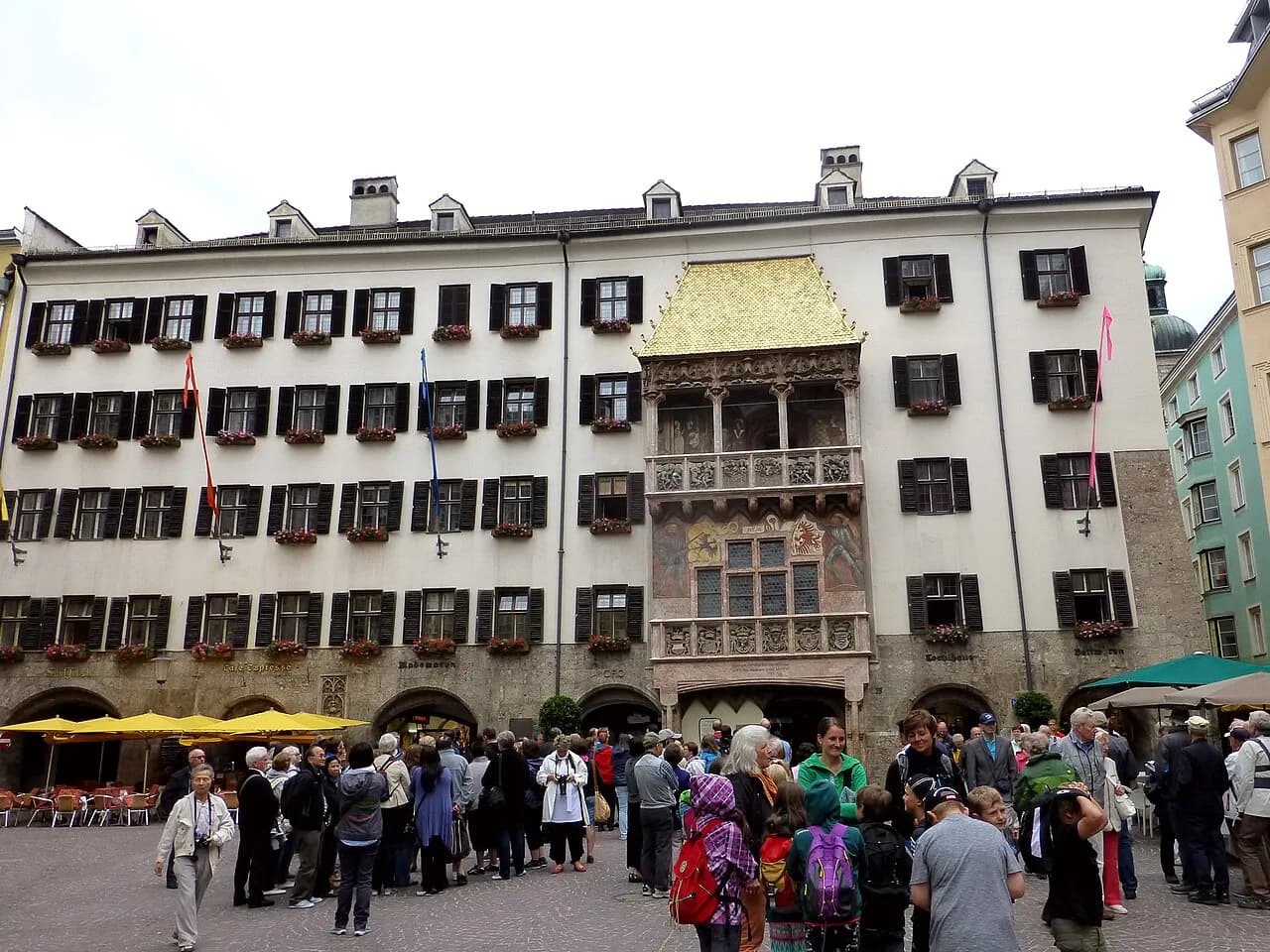
Start at the Goldenes Dachl, the gold-tiled oriel that functions as the city's emblem, then walk the Hofgasse behind it; this is the densest, most photogenic stretch and it takes minutes rather than hours. In the Hofgasse you can also try the whisper arch at number 12, where a whispered message carries from one side of the vault to the other. Do it in the evening if the souvenir shops in between make it awkward during the day.
The Stadtturm on Herzog-Friedrich-Straße is the second half of the walk: 133 steps up to the viewing platform, and the reward is the roofscape of the Altstadt spread out below you. Do the tower before lunch if you can, because the stairwell is narrow and the platform is small. From there the whole old town reads as one compact block, which makes planning the rest of the day easy.
Gelateria Tomaselli on the Hofgasse is the established stop for ice cream in the center, and note that this branch closes in winter, so summer is when it counts. Treat it as a pause rather than a destination and you will keep the walking order intact.
Imperial sights that sit side by side
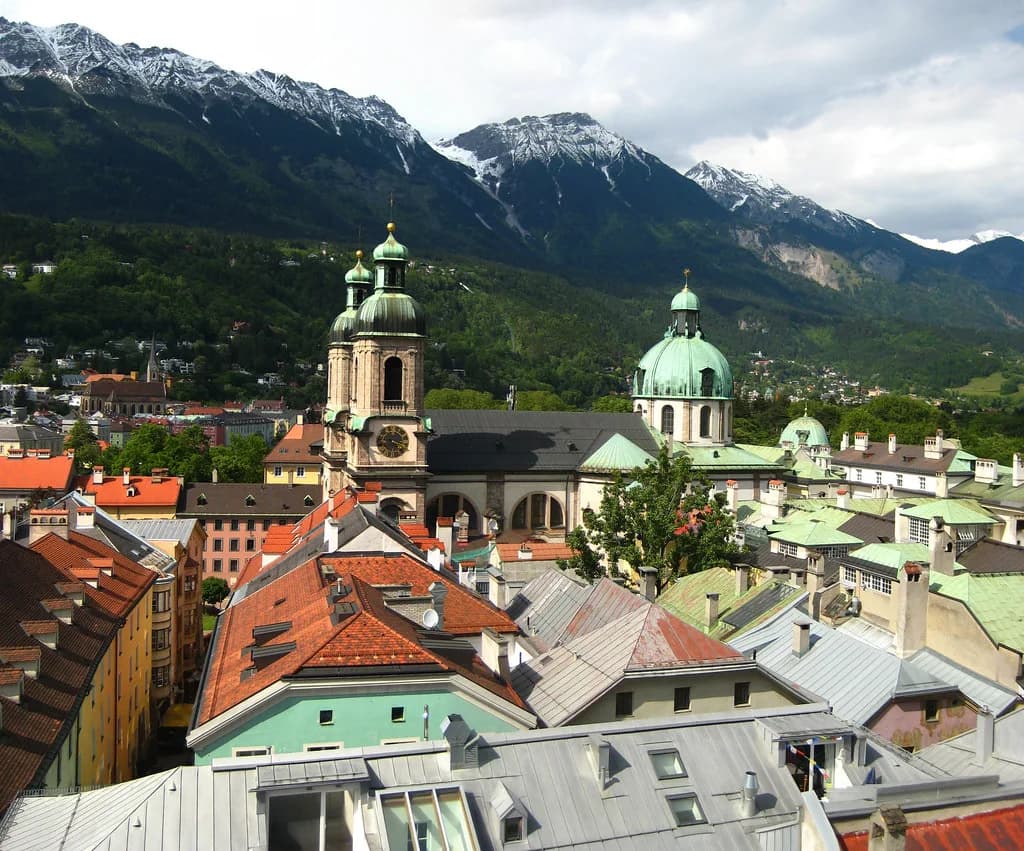
The Hofkirche holds the tomb of Kaiser Maximilian I, guarded by 28 oversized black figures that earned it the nickname Schwarzmanderkirche, the black men's church. Two details make the entry worthwhile: eight of those figures are women, and the emperor's sarcophagus is empty. The plain exterior hides a richly furnished nave, so do not judge it from the street.
The Kaiserliche Hofburg at the edge of the old town is a Habsburg residence with state rooms, furniture and paintings to walk through, and it served Maximilian I and his second wife Bianca Maria Sforza as a living palace. Pairing it with the Hofkirche makes sense because the two are close and cover different centuries of the same Habsburg story. The Dom zu St. Jakob completes the cluster, a baroque interior with ceiling painting and the small, famous Mariahilf image by Lukas Cranach the Elder.
Schloss Ambras above the city
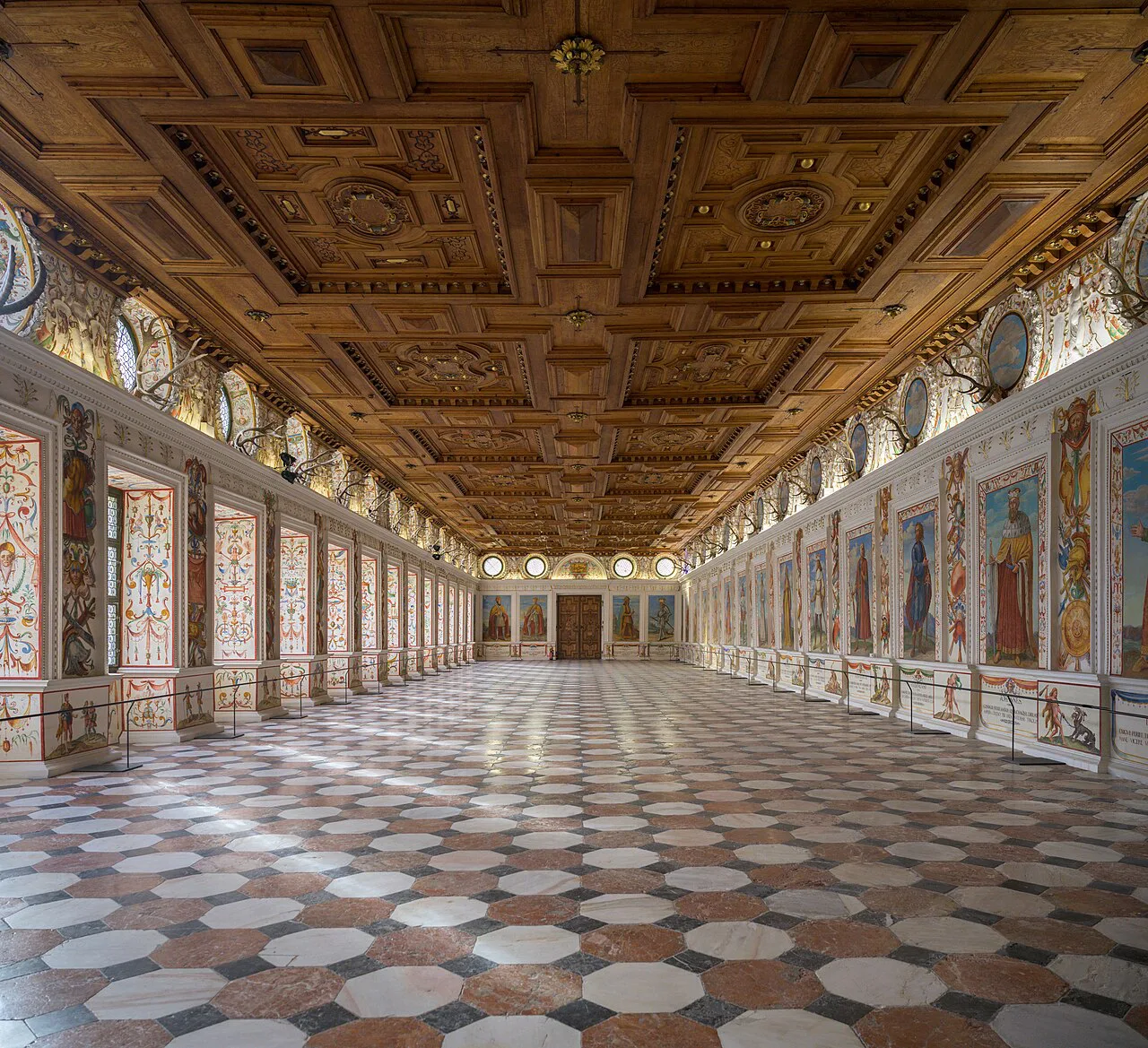
Schloss Ambras sits above the city and belongs to the Kunsthistorisches Museum in Vienna; it holds the collections of the Renaissance prince Archduke Ferdinand II. The Spanischer Saal, the Spanish Hall, is one of the most remarkable Renaissance halls anywhere, and the armories display 100 original suits of armor belonging to famous commanders. This is a half-day, not a stop on the old-town loop, so give it its own slot and check the current opening times before you go.
Up the Nordkette: where to stop on the chain
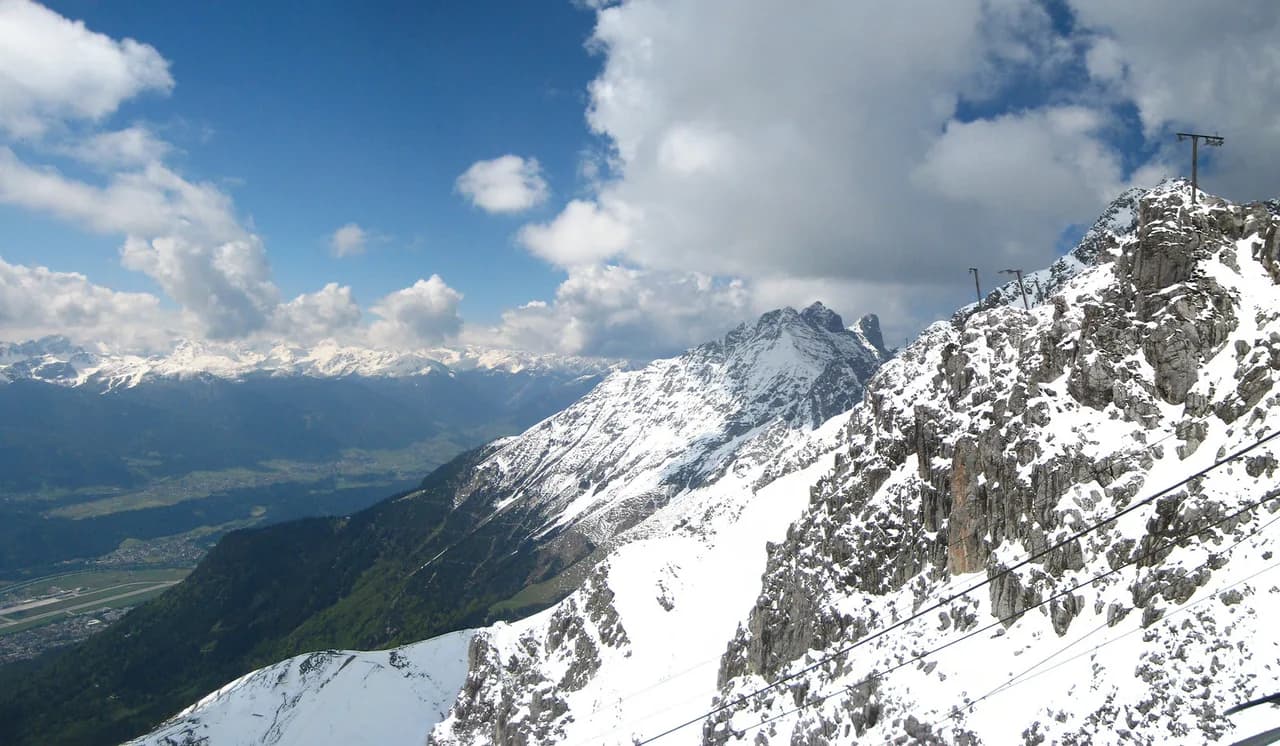
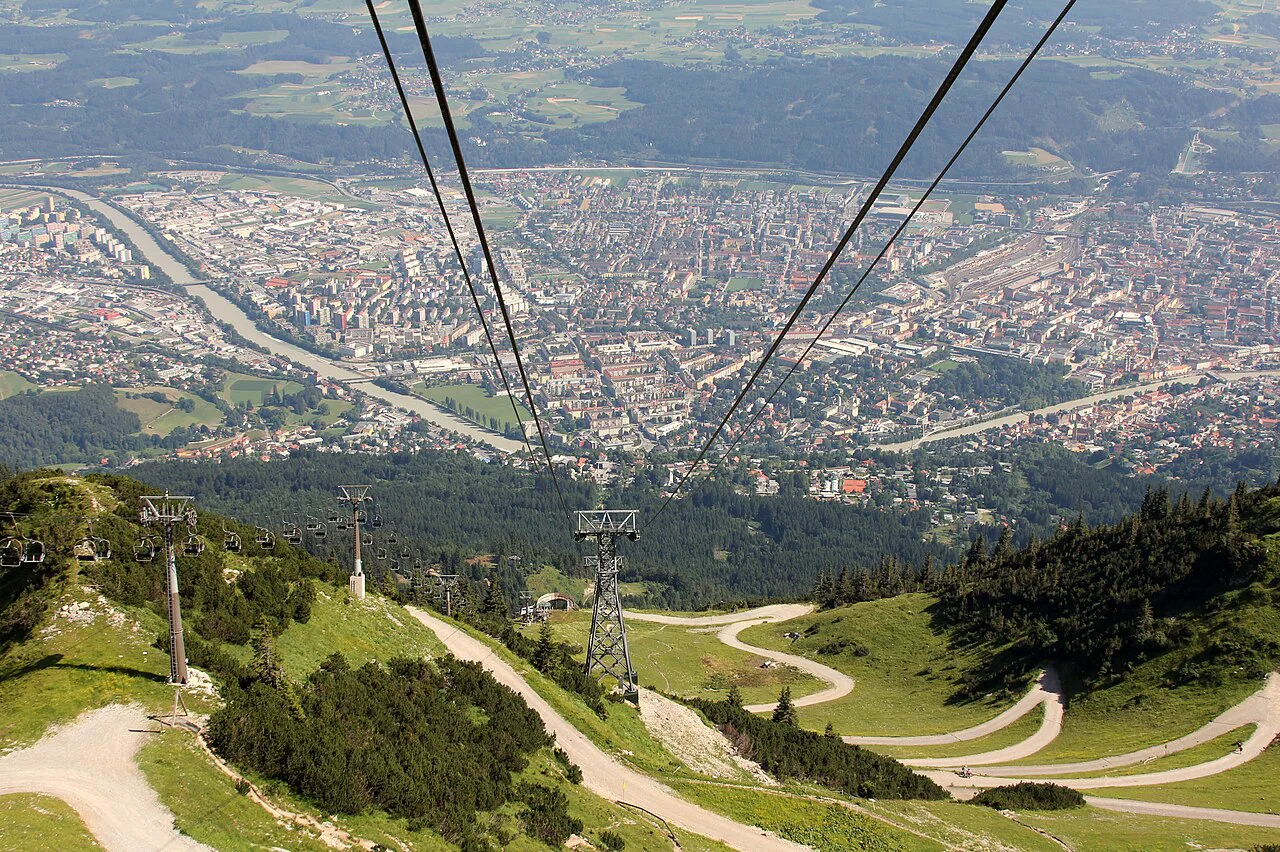
The mountain trip is a chain, not a single ride: the Hungerburgbahn leaves from the Kongresshaus, the Nordkettenbahn continues to the Seegrube at 1,905 meters, and a further cable car reaches the Hafelekar. The stations of the lift chain were designed by Zaha Hadid, and the view back over Innsbruck from the Seegrube platform is the point of the trip; loungers on the viewing deck let you sit with it. Decide in advance whether Hafelekar is your top stop or whether the Seegrube is enough, because the last section adds to both time and fare.
Fares and operating seasons are set by the lift operator, so confirm them for your dates rather than budgeting from an old figure. Go up on a forecast of clear visibility; a cloudy ascent costs the fare and delivers none of the panorama.
The Bergisel ski jump and its terrace
The Bergisel Sprungschanze is Zaha Hadid's ski jump on the slope above the city, and it is an imposing landmark visible from much of Innsbruck even if you never go inside. A visit combines the structure with the view over the city toward the Nordkette, and the Bergisel Sky restaurant upstairs is where you take coffee or breakfast with that outlook. It is a short stop that pairs well with a mountain afternoon rather than replacing one.
Alpenzoo on the slope below the Nordkette
The Alpenzoo is built into the hillside at the foot of the Nordkette, which is why a circuit feels like a short walk rather than a zoo stroll: the enclosures step up the slope and you gain up to 100 vertical meters on the way round. It holds more than 100 animal species from the Alpine region, and spring is the season when the young animals appear. Prices have changed over time, so check current admission with the zoo.
Hall in Tirol without a car
Hall in Tirol is about 15 minutes from Innsbruck by bus, and its medieval Altstadt is roughly twice the size of the one in Innsbruck, which makes it the summer counterweight to the crowded center. The Oberer Stadtplatz is the square to aim for, and the town moves at a noticeably quieter pace than the provincial capital. It is the easiest half-day here that does not depend on mountain weather.
What costs money and what does not
The old town lanes and squares cost nothing to walk, including a view of the Goldenes Dachl from the street, the Hofgasse arch and the Innpromenade. Paid entries include the tower climb, the imperial interiors, Ambras, the Bergisel structure and the Alpenzoo, plus the Nordkette lift chain, which is the single biggest line in a summer budget. Museum entries and lift fares change, so check the operator pages rather than relying on a guidebook figure.
Opening times for individual sights can vary in summer, so confirm the ones that matter to you before setting out; the same applies to any events you are hoping to catch on your dates.
Which Innsbruck day are you booking?
If you have one full day, walk the old town in the morning with the Stadtturm climb and the Hofkirche, then take the Hungerburgbahn and Nordkettenbahn up in the afternoon on a clear forecast, stopping at the Seegrube if the Hafelekar adds more queue than view. Give Ambras, the Alpenzoo or Hall a separate half-day each rather than squeezing them in.
For the rest of the city's sights and how they group geographically, the broader pick of things to do is the next read. If you want to focus on the streets and squares first, start with the Innsbruck Altstadt guide.
Explore more Innsbruck guides
Frequently Asked Questions
Is Innsbruck a good base in summer for sights and mountains?
The compact old town and high mountain viewpoints can fit into the same day. The Goldenes Dachl, Hofgasse and Stadtturm sit within minutes of each other, and the Nordkette lift chain starts from the Kongresshaus by the river. Summer also gives you long daylight for the Bergisel ski jump and the Nordkette viewpoints, which reward a clear day.
Do you need a car in Innsbruck in summer?
No. The center is walkable, the Nordkette lift chain begins at the Kongresshaus, and Hall in Tirol is about 15 minutes away by bus. A car is a liability in the pedestrian lanes of the Altstadt and buys you nothing on the sights covered here.
What is free in Innsbruck in summer?
Walking the old town lanes and squares costs nothing, including the Goldenes Dachl seen from the street and the whisper arch in the Hofgasse. The Innpromenade and its riverside path are open to anyone. The tower climb, the imperial interiors, Ambras, the Bergisel structure, the Alpenzoo and the Nordkette lifts all charge; check current admission and card conditions with each operator.
Sources
Notes for your next Austrian town break
Optional updates when we add or revise town guides.
You might also like
Continue reading
More guides you'll find useful