
Alpenzoo Innsbruck: A Visitor's Guide to the Alpine Zoo

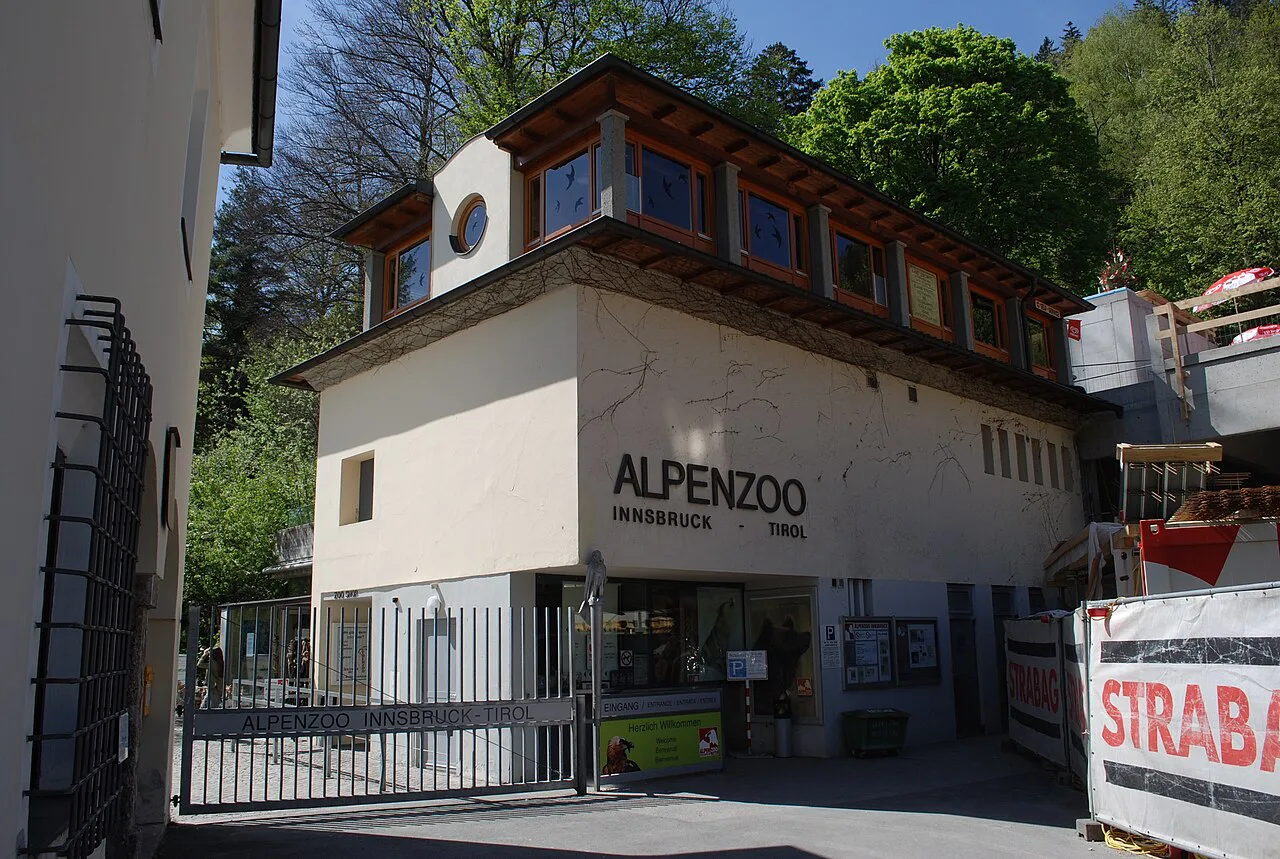
Alpenzoo Innsbruck is the zoo to visit if you want the animals of the Alps rather than lions and giraffes: brown bears, ibex, chamois, lynx, wolves, marmots and otters on a wooded hillside directly above the old town. It sits at Weiherburggasse 37a in the Weiherburg area, close enough that you can walk up from the city center, and it is a natural half-day pairing with the sights of Innsbruck. This guide covers how to reach it, which exhibits justify the climb, how much time to budget, and what to do about tickets and hours.
Where the zoo sits on the hillside
The zoo occupies a slope rather than a flat grid, which is the single most useful thing to know before you go. Paths climb and switch back between enclosures, so the visit is a steady walk with views back over the Inn valley and the city roofs. Address and contact details are Weiherburggasse 37a, 6020 Innsbruck, with the phone number +43 512 292323.
The site covers just over four hectares, which sounds small until you factor in the gradient. Expect to be on your feet for the whole visit and to climb more than a comparable flat zoo would ask of you. Sturdy shoes matter more here than at a city museum, and anyone with limited stamina should plan the uphill sections around rest stops.
Getting there: on foot, by funicular, or by car
Walking from the old town takes about 20 minutes, which is the cheapest and most scenic approach if the weather is fair. The route climbs, so treat it as a short outing rather than a stroll; the payoff is that you arrive already oriented toward the valley views.
The Hungerburgbahn brings you quickly toward the gates of the zoo, which makes it a sensible choice in heat, rain or with tired legs. It does not put you at the enclosure gate, so count on a short final approach; fares and departure intervals should be confirmed with the operator before you commit to this option.
Drivers can use the paid parking lot directly in front of the entrance, the simplest arrival if you are combining the zoo with a wider Tyrol route. The trade-off is that you pay for parking on top of admission and you still walk the hillside paths once inside.

What to see: the Alpine big five and more
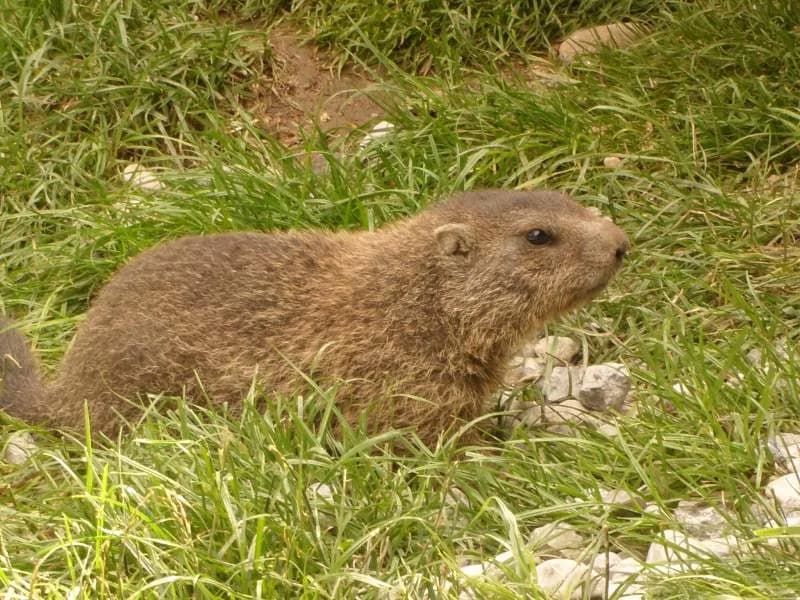
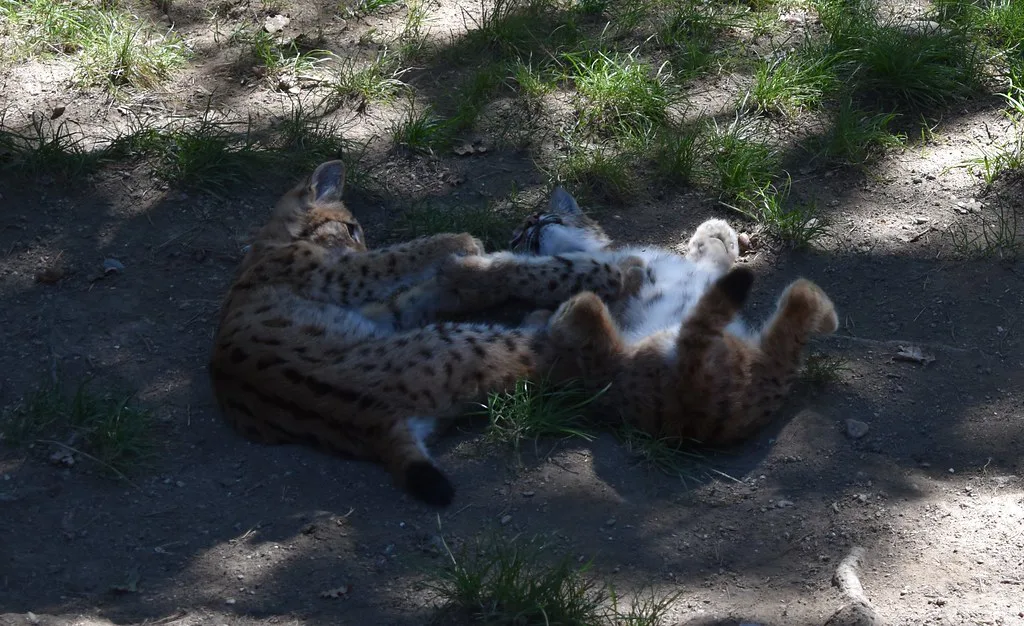
Brown bears, ibex, deer, chamois, lynx and wolves are the headline residents, and they are the reason to choose this zoo over a general collection. Wildcats, marmots, pine martens, otters and snow hares fill out the smaller enclosures, while bison and moose appear as well. Planning a route around the large mammals first, then looping back through the smaller ones, keeps the climbing purposeful.
The bearded vulture exhibit is the one enclosure to seek out deliberately: the bird is enormous at close range and the display is consistently the most-viewed part of the collection. Give it real time rather than passing through, because the scale of the animal is the point.
The Alpine ibex is the animal most visitors associate with the zoo, and the herd is displayed with information on the species and its place in Alpine folklore. Read the panels here if you read them anywhere, since they explain why these animals matter to the region rather than just naming them.
Old farm breeds and the show stable
Beyond the wild animals, the show stable holds representatives of farm breeds once kept across the Alpine region, which gives the zoo a second, quieter purpose. The spotted Turopolje pigs have become favorites with visitors, and the robust breed stays outdoors all year. Old livestock breeds are treated here as cultural assets rather than curiosities, so this section rewards a slower look.
The zoo describes itself as holding the complete collection of wild animals from the Alpine region, a claim worth weighing against your own interests: it is a specialized collection, not a general zoo. The population runs to roughly 2,000 animals from about 150 species.
How much time to allow
Budget two to three hours for the animals alone, and add time for the playground or the restaurant if you are traveling with children. The hillside layout makes rushing counterproductive: every loop back to the entrance costs another climb, so a single well-ordered circuit beats zigzagging.
Mornings are the better half of the day for the walk up and for animal activity, and they leave the afternoon free for the old town below. If you are fitting the zoo into a wider Innsbruck itinerary, put it on a dry-day slot, because the paths and the views are most of the experience.
Restaurant, terrace buffet and the bear cave playground
A restaurant and a terrace buffet on site cover lunch or a coffee break without a trip back into town, which matters given the climb. For children there is a bear cave playground and a climbing wall to the eagle's nest, so the visit survives a mid-afternoon energy dip.
The zoo also runs adventure tours that can be booked for birthdays, with snacks and a small gift included. These are organized group formats rather than drop-in activities, so arrange them ahead rather than asking at the gate.
Nearby: the old town and the Nordkette
The old town is a walk downhill, and the Golden Roof (Goldenes Dachl) is the obvious first stop once you are back at street level. It is a compact cluster of sights, so the afternoon after the zoo covers the center comfortably.
The same funicular line continues upward to the Nordkette, so a clear day allows you to combine the zoo with the higher viewpoints in one sweep. If you would rather spend the afternoon indoors, Ambras Castle on the city's edge is the other major collection worth planning around.
Hours and tickets: check before you climb
Opening hours and admission prices change by season and are published on the zoo's own pages, so confirm them for your dates before making the walk up. The zoo's site lists daily opening, but check the exact seasonal span for the day you plan to visit.
Buy or reserve tickets through the official site rather than a reseller, and check whether your chosen day falls in a reduced-season window. The zoo operates as a non-profit association, which is a useful frame for what your ticket supports.
Is Alpenzoo worth the walk up?
Yes, if you want a focused look at Alpine wildlife and a hillside half-day that pairs naturally with the old town. Choose the Hungerburgbahn if the climb is unwelcome, the car park if you are driving onward, and the 20-minute walk if the weather is good and you want the approach views.
Explore more Innsbruck guides
- Annasäule Innsbruck
- Bergisel Ski Jump (Bergisel Schanze)
- Dom St. Jakob in Innsbruck
- Ferdinandeum in Innsbruck
- Glockenmuseum Innsbruck
- Hofburg Innsbruck
- Hofgarten Innsbruck
- Hofkirche Innsbruck
- Maria-Theresien-Straße
- Nordkette Cable Car (Nordkettenbahn), Innsbruck
- Swarovski Crystal Worlds (Kristallwelten), Wattens
- Tirol Panorama mit Kaiserjägermuseum
- Tyrolean Folk Art Museum (Tiroler Volkskunstmuseum), Innsbruck
- Innsbruck City Tower (Stadtturm)
Frequently Asked Questions
Is Alpenzoo Innsbruck suitable for children?
The zoo has a bear cave playground and a climbing wall to the eagle's nest alongside the animal enclosures, and the farm-animal section with the Turopolje pigs tends to hold younger attention. The hillside paths mean more walking than a flat zoo, so plan rest stops.
Can you reach Alpenzoo Innsbruck without a car?
You can walk from the old town in about 20 minutes, or take the Hungerburgbahn, which runs quickly toward the zoo. Fares and departure times should be confirmed with the operator before you go.
How long does a visit to Alpenzoo Innsbruck take?
Allow two to three hours for the animals on the roughly four-hectare site, plus extra time if you use the playground or the restaurant. The slope means a single ordered circuit saves climbing.