
Hallstatt Salt Mine: Visiting Salzwelten on the Salzberg
The Hallstatt Salt Mine is a guided underground tour in the Salzberg high valley directly above the village, reached by the Salzbergbahn funicular and then a short walk, with no road access for cars. Its operator, Salzwelten, describes it as the oldest salt mine in the world, with mining history running back roughly 7,000 years.
This guide covers what the mine actually is, how the two-step ascent works, what you see on the tour, how to budget time, and which parts of the visit sit underground and which are exposed to weather. Prices and departure times change by season, so you confirm them on the operator's site before you go.
What the Hallstatt Salt Mine is
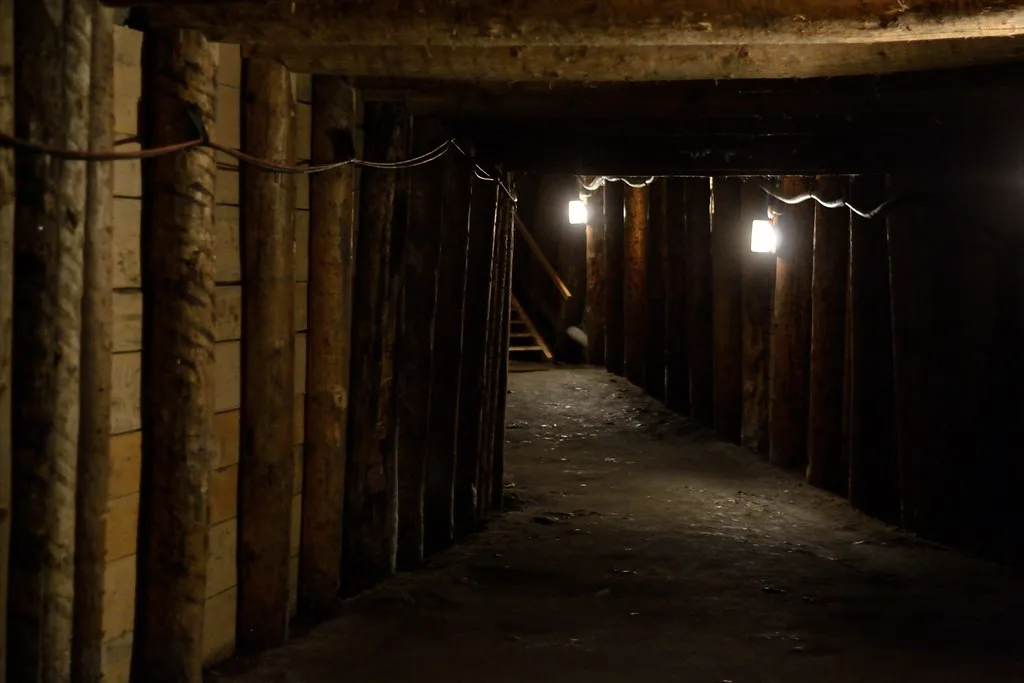
Salzwelten Hallstatt is a working heritage site turned visitor attraction inside the mountain, not a show cave with paved walkways. The tunnels and corridors are the real galleries of a salt mine, and the tour explains how salt was cut and carried out over millennia. The mine markets itself as the oldest salt mine in the world, a claim rooted in the archaeological record of the Hallstatt high valley rather than in any single surviving shaft.
The historical weight comes from the Hallstatt period, the archaeological era named after this place. People lived and mined in the high valley from around 5,000 BC, and the mine's own presentation ties the visit to that deep timeline through original finds and animated reconstructions. If you want a plain cave experience, this is not it; if you want the reason Hallstatt is a UNESCO World Heritage Site, this is the core of it.

Where it sits above town and why you cannot drive up
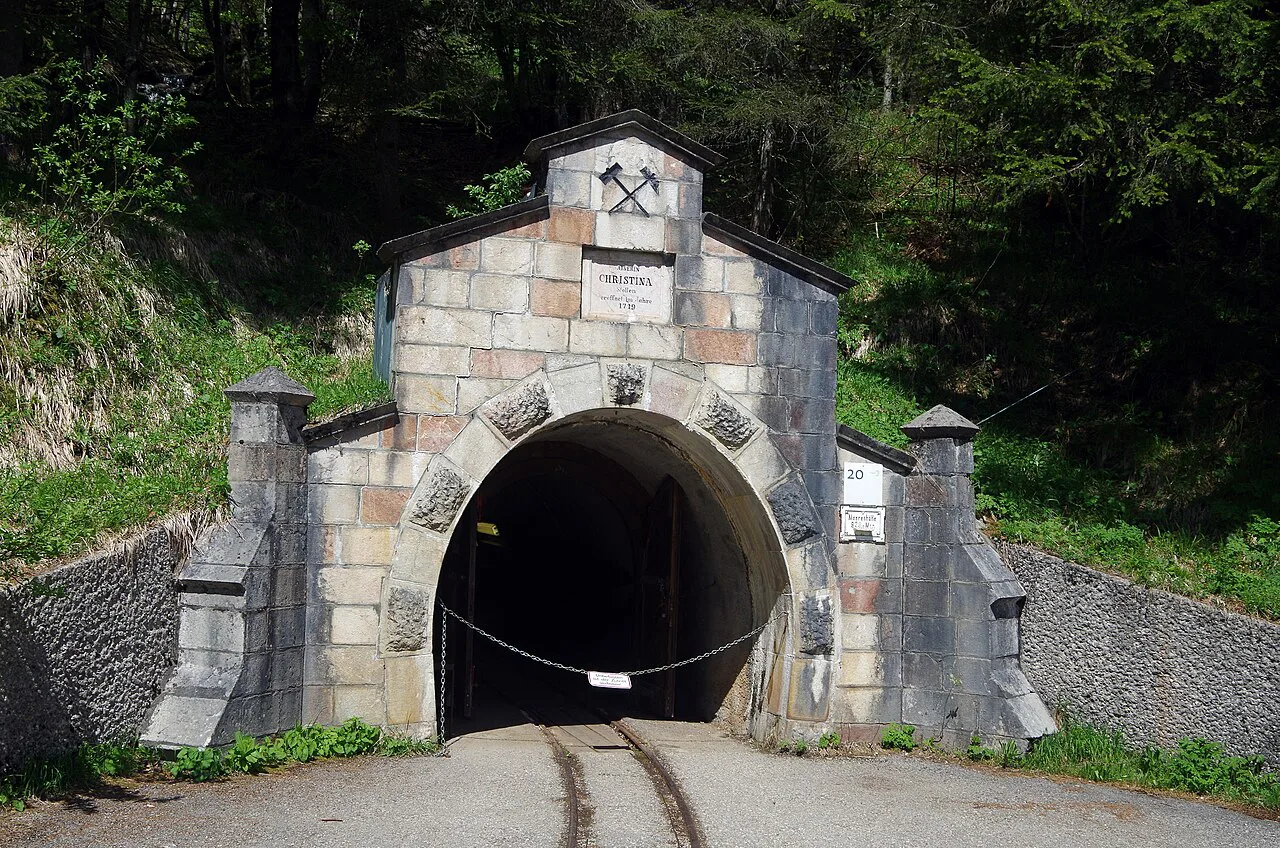
The mine lies in the Salzberg high valley, the shelf of mountain directly above the village center, and the only mechanical way up is the Salzbergbahn. The valley station stands in the village itself, and the operator states plainly that driving up to the Salzberg by car is not possible, so the funicular is the entry point for the mine, the Skywalk and everything else up top.
That constraint shapes the whole visit: you commit to the funicular, then walk a few minutes through the high valley to the mine entrance, then repeat the ride down. Plan the mine and the Skywalk platform as one trip up the mountain, since the platform sits at the top station area and costs you no extra ascent. The Hallstatt Skywalk has its own viewing details worth reading before you go.

Getting there: funicular, parking and the easier option
The Salzbergbahn valley station is in the village, a short walk from the lakefront lanes, so you do not need a car to reach the mine at all. Hallstatt has no visitor parking at the mine itself, and the operator advises allowing at least an hour simply to find a space during busy periods, with delays recurring because of the volume of guests.
Arriving by public transport is the operator's own recommendation and genuinely the simpler plan. Trains stop at Hallstatt station across the lake, where a ferry crosses to the village, and buses serve the village side directly. Check the ferry and train connections against the funicular's operating hours before fixing a time, because a late crossing can strand a tight schedule.
Riding up and walking to the mine entrance
The funicular ride itself is short, a few minutes of steep track from the village floor to the high valley. From the top station you walk a few minutes to the mine entrance and the Rudolfsturm, with the Skywalk platform right there. The operator treats the whole cluster as one destination, which is why the mine, the tower and the viewpoint appear together on its pages.
The walk in the high valley is gentle but exposed, so weather matters from the moment you step off the funicular. The mine entrance and the tower are close together, which makes it easy to shelter or wait before your tour slot. Leave the sturdier footwear for another day; the path is a walk, not a hike.
Inside the tour: tunnels, slide and salt lake
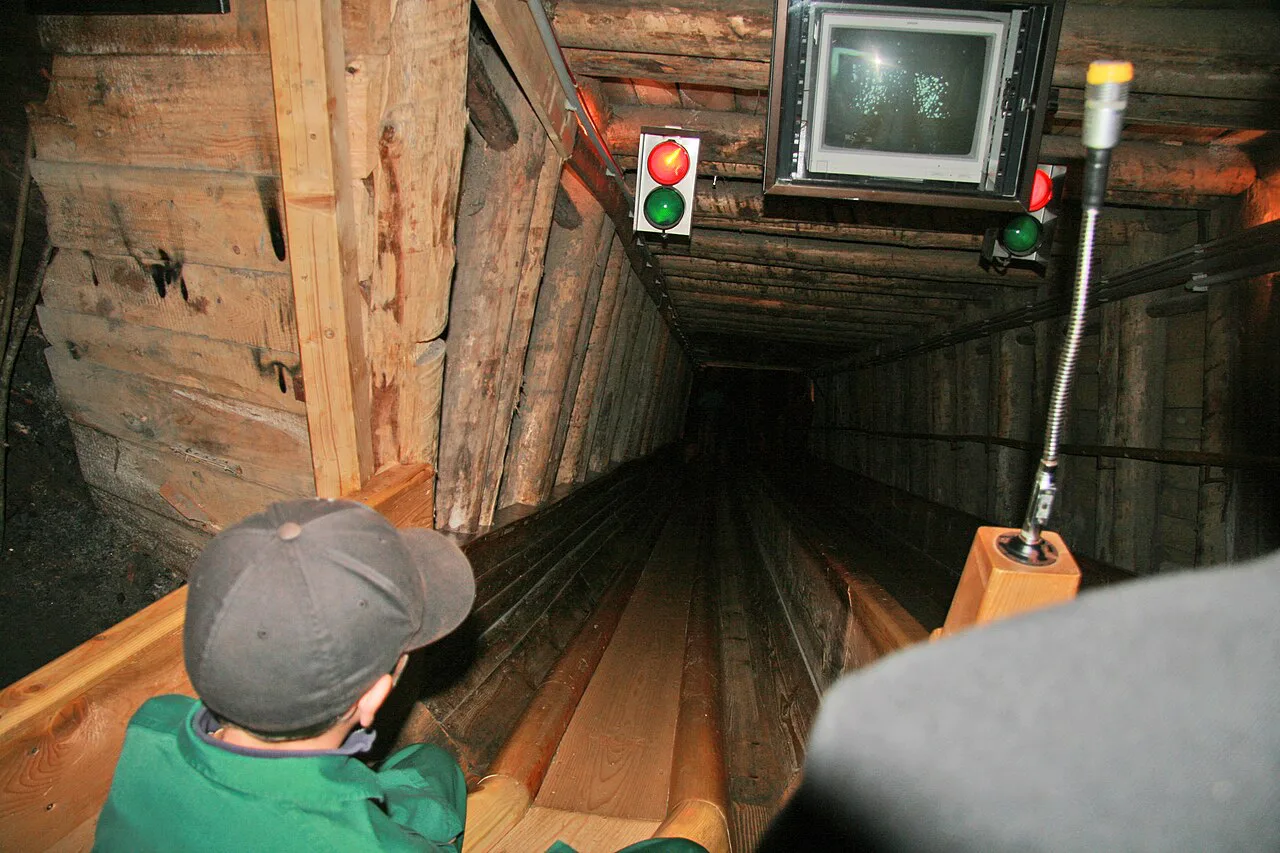
The guided tour leads through tunnels and corridors cut by miners, and the descent ends in the cool depths of the mountain past underground salt lakes. The signature thrill is a 64-meter miner's slide, the kind of wooden chute the salt workers once used to move themselves and the salt. It is a slide, not a ride, and it is part of why families treat the mine as an outing rather than a museum stop.
The historical centerpiece is the Bronze Age Cinema, where a lifelike animation shows the miners' everyday labor. Beside it sits the oldest staircase found in Europe, carried out of the prehistoric tunnels and now displayed as a central exhibit. Seeing a 2,800-year-old wooden stair in situ beats any panel of text about salt's value as white gold.
Tours run on a daily schedule with fixed departure times, and you join a guided group rather than wander alone. The operator posts the current tour times and any extra themed offerings on its Hallstatt pages, so build your day around a slot instead of arriving and hoping.
How long to allow
Budget the visit as three parts: the funicular ascent, the walk to the entrance, and the guided mine tour, then the same in reverse. Add time at the top for the Skywalk and the Rudolfsturm, because you will not want to ride straight back down after the tour. A half day is a realistic frame for the mountain as a whole, not just the mine.
The tightest variable is the queue for the funicular and the wait for your tour slot, which grows with midday crowds in the village. Go up early if you can, and treat the mine as the anchor of the morning rather than an afternoon add-on. The operator publishes current operating times for the mine, the Skywalk and the cable car together, so check them as one set.
Tickets and opening hours
Ticket prices and opening hours shift with the season, and the operator lists the current figures in an information-at-a-glance section covering the salt mine, the Skywalk and the Salzberg cable car. Buy online where the operator offers it, since a timed slot saves standing in the ticket line in the village. Check the site for the day you plan to travel rather than relying on any older figure you have seen.
The mine publishes news and seasonal notes on its own blog, which is where changes to the schedule or special tours surface first. If your dates fall at the edges of the season, read that page before booking transport. This is also where themed tours get announced.
The Rudolfsturm and the salt shops on the Salzberg
The Rudolfsturm stands at the entrance to the Salzberg high valley, a medieval defense tower dating to the late 13th century that now houses a restaurant. It is the natural place to eat or warm up before or after the mine tour, and its position at the top of the funicular makes it impossible to miss. Treat it as the mountain's rest stop rather than a separate excursion.
Salt shops on the Salzberg sell products from Salinen Austria, the historic home of the region's table salt, in every form from cooking salt to bath salt. They are the obvious place to buy a useful souvenir tied to the site you just toured. If you want the fuller picture of the village itself, the Hallstatt Attractions guide maps the rest of town.
Rain, winter and the weather split
The mine is the reliable wet-weather card in Hallstatt because the tour happens underground, sheltered from rain and cold. The walk between the funicular and the entrance is not, so bring a layer you can shed and expect the Skywalk to be the part you skip in Bad weather. That split is worth planning around, especially on short trips.
In winter the high valley turns into a snowy landscape, and the operator promotes a winter walk up to the Skywalk paired with the Rudolfsturm for food. Access still depends on the funicular running, so confirm its winter schedule before counting on the climb. Snow changes the look of the mountain far more than it changes the mine.
Themed tours and the prehistoric necropolis
Beyond the standard tour, the mine runs a themed tour called Archaeology – 7,000 years of history, which digs into the research behind the site rather than the salt-mining mechanics. It suits travelers who already know the basics and want the archaeological story of the Hallstatt period. Availability is limited, so check the operator's listings for the dates it runs.
The prehistoric necropolis on the Salzberg is the burial ground tied to the miners of the high valley, and it is the reason the era carries Hallstatt's name. It sits in the high valley near the mine workings, so it belongs to the same outing rather than a separate day. If archaeology is your reason for coming, pair the themed tour with a stop here.
Practical constraints in the village
The real bottleneck is the village, not the mine: crowds peak around midday, parking is scarce, and the funicular carries people in batches. Go up at opening if you can, and use the early slot to tour the mine before the day-trippers arrive. The operator's own guidance to allow an hour for parking tells you what the village is like in high season.
Keep the Skywalk as a separate platform in your planning, even though it shares the top station. It is a viewing deck with its own rules and its own page, and the mine ticket does not change what it is. The lake below, the Hallstätter See, frames the view from up there and is worth a walk along the shore afterward.
What the mine adds to a Hallstatt visit
Yes, if you want the historical reason Hallstatt exists. The mine delivers the Bronze Age staircase, the miner's slide and an underground salt lake in one guided visit, and the funicular puts you above the village with the Skywalk and the Rudolfsturm for the rest of the morning. It is the one sight in town that explains the others.
Book the mine for an early slot, confirm current prices and tour times on the Salzwelten site, and arrive by train and ferry or bus so you are not hunting for a parking space. Everything else in Hallstatt fits around that plan.
Explore more Hallstatt guides
Frequently Asked Questions
Do I need to book the Hallstatt Salt Mine in advance?
Booking ahead is the safer choice in high season, because the tour runs on fixed departure times and the funicular moves people in batches. The operator lists current tour times and online booking on its Hallstatt pages, so choose a slot before you arrange transport to the village.
Can you walk up to the salt mine instead of taking the funicular?
The Salzbergbahn funicular is the way up, and the operator states that driving up to the Salzberg is not possible. A marked winter walk leads to the Skywalk in the high valley, but the mine is reached via the funicular; check the current operating schedule before planning any alternative ascent.
Is the mine suitable in Bad weather?
The tour itself is underground and sheltered, so rain or cold does not stop it. The walk between the funicular and the mine entrance is open to the sky, so bring a rain layer and expect to skip the Skywalk platform when the weather closes in.