
Hallstatt Museum (Welterbe Museum Hallstatt): What to See and How to Plan

Museum Hallstatt is the small, town-center collection that explains why this lakeside village matters: 7,000 years of salt work and the Iron Age cemetery above it. Allow about an hour inside, and treat it as the indoor companion to a Salzberg visit rather than a substitute for the excavations. This guide covers where the museum sits, what the displays are built around, the ticket tiers in euros, the seasonal opening windows and how to fold it into a few hours in Hallstatt.
What the Hallstatt Museum is and where it sits on Seestraße 56
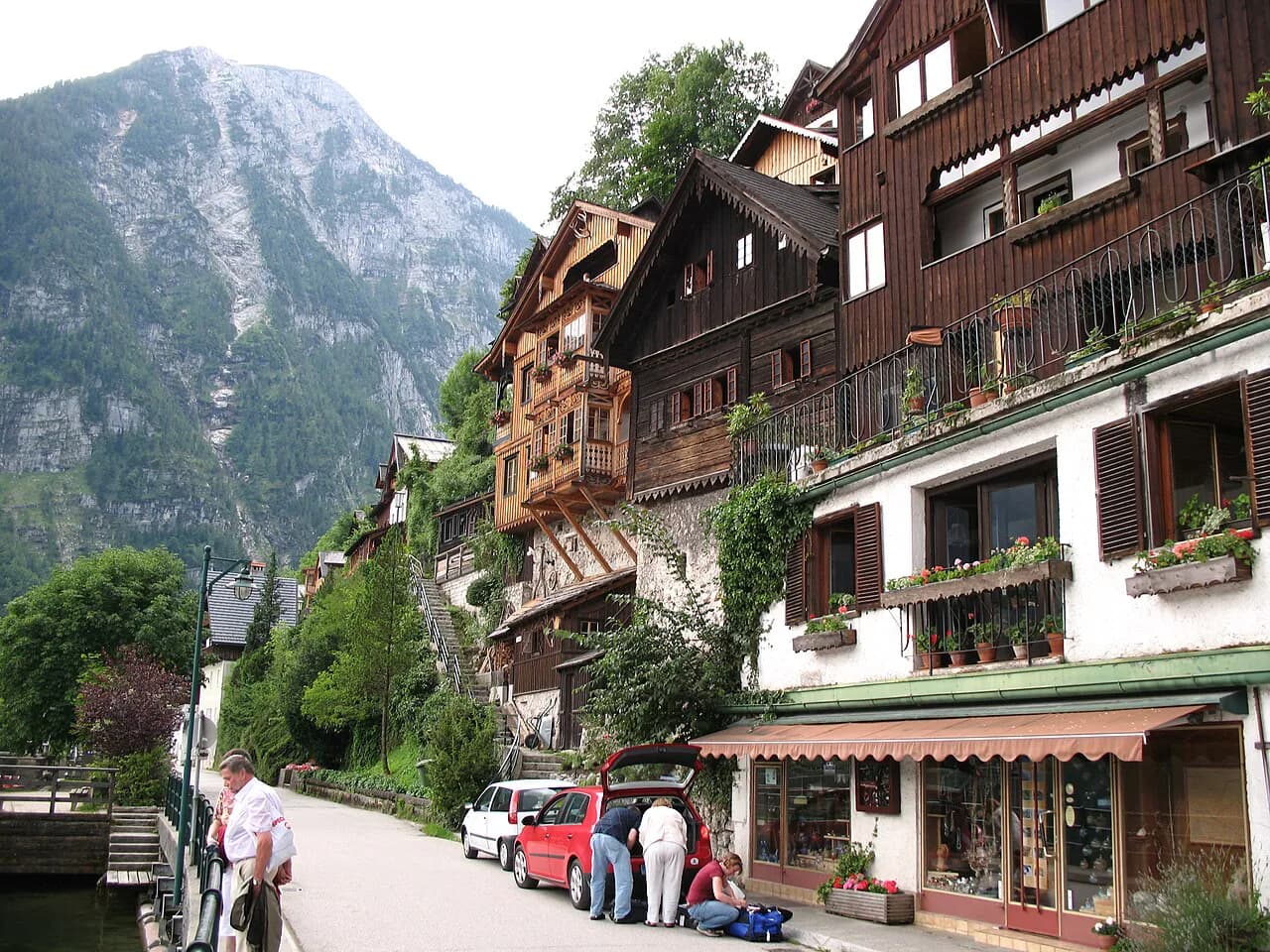
The Welterbe Museum Hallstatt occupies a lakeside building at Seestraße 56, 4830 Hallstatt, in the village center just back from the water. It is the same institution referred to locally as Museum Hallstatt, and its address is the simplest landmark to navigate by when the lanes are crowded. Arrive knowing that this is a modest regional museum, not a national archaeology hall; its value is context, efficiently delivered.
Because the building sits in the compact old town, you pass it naturally on a walk between the Market Square and the lakefront. That makes it easy to slot in before or after the boat pier and the church cluster, without a separate trip. Check the museum's own site for the current season's arrangements before you set a fixed plan.

What you see inside: the salt-mining story and the grave-field finds
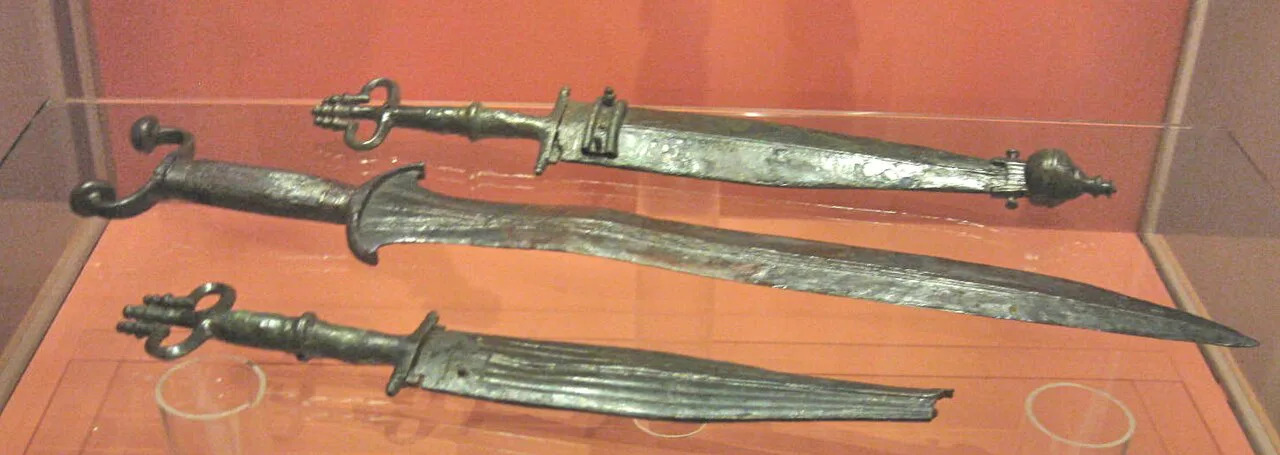
The narrative runs on two tracks: the salt mine that made Hallstatt wealthy, and the prehistoric cemetery on the Salzberg that gave the Hallstatt culture its name. The museum holds the finds from the grave field, which is exactly why it belongs on your list before you look up at the slope. Seestraße 56 is a short walk from the lakeside Marktplatz, so it fits a wet morning or a gap between boats.
A useful sequence is museum first, mountain second: the displays give names and dates that make the ground above the village legible. The same logic works in reverse if rain cancels the climb, since the museum keeps the story indoors. What you will not find inside is the open excavation itself, which stays on the Salzberg.
The Hallstatt grave field on the Salzberg: why the cemetery matters
The Gräberfeld (grave field) on the Salzberg is one of the most significant burial sites of the ancient world, with roughly 2,000 to 4,000 people interred there and about 1,300 recovered for the museum. Burials span the 8th to the 4th century BC, and the richness of the grave goods led the Swedish archaeologist Hans Hildebrand in 1874 to apply the name Hallstatt to the earlier Iron Age of central Europe.
Johann Georg Ramsauer, then the salt works' mine master, recognized the site as a cemetery in 1846 and excavated 980 graves by 1863. His finds, and those from later campaigns in 1937 to 1939, are what you see in the museum today. Most burials were flat graves without surface markers, cut about 100 to 150 centimeters deep, and roughly 45 percent were cremation graves, which held the bulk of the rich offerings.
Read those numbers before you ride up, because the slope itself shows you terrain, not display cases. The museum is where the swords, daggers and grave assemblages actually are, including 19 sword graves and 38 dagger graves recorded at the site. If your time in Hallstatt is short, decide which half of the pair matters more to you and build the visit around it.
Tickets in EUR: adult, senior, youth and child day passes
Day passes are tiered: adults pay 12.00 euros, visitors aged 60 and over 11.00 euros, students and ages 15 to 18 pay 9.00 euros, and children aged 6 to 14 pay 8.00 euros. Groups of 10 or more and holders of a local guest card pay the reduced rate of 11.00 euros. Budget in cash or card for the whole party at once, and note that these are the published rates, so confirm them at the desk rather than assuming they hold indefinitely.
Two planning consequences follow. First, a family with younger children lands in the lowest tier and the museum becomes a cheap add-on rather than a headline expense. Second, anyone staying locally should ask the host about the guest card before buying, since that single question can drop an adult ticket to the group rate.
Opening hours by season, and why summer differs from winter
Hours split by season rather than by weekday. From May through September the museum opens daily from 10:00 to 18:00, in April and October daily from 10:00 to 16:00, and from January through March and in November and December daily from 11:00 to 16:00. The listing also marks holidays as closed.
That pattern shapes your day. A summer visit gives you a long afternoon window after a morning on the mountain; a shoulder-season or winter visit has to be fitted into a short middle-of-the-day block, which pushes lunch and the lake walk around it. A holiday closure in the middle of a short trip is the one scenario worth checking before you commit an afternoon.
How much time to allow inside
An hour is a fair allowance for the displays at a steady pace, and 45 minutes covers it if you move briskly. That is short enough to fit between a boat arrival and a Salzberg ride, and long enough to leave understanding why the village exists at all. Add time only if you read every label and take notes.
The trade-off is against the mountain. Riding up and walking the Salzberg paths consumes far more of a day than the museum does, so a tight three-hour visit usually forces a choice rather than permitting both. If you have only an afternoon, do the museum and the lakeside, and leave the high ground for a longer stay.
Getting there on foot in the car-free center
The old town is pedestrian territory, so the last stretch to Seestraße 56 is walked. Arriving by train means the short ferry crossing to the village pier, after which the museum is a few minutes inland. Postbus services from surrounding villages and the Dachstein Salzkammergut drop passengers at the edge of the center, and everything within Hallstatt is then on foot.
Drivers park outside the historic core and continue on foot or by shuttle, so build in that transition rather than expecting to pull up at the door. From the pier and the Marktplatz area, everything including the museum, the churches and the funicular valley station sits inside a compact walking radius.
Pairing the museum with the Salzberg, and the rain plan
The strongest combination is a morning museum visit followed by the funicular up to the Salzberg, where the salt mine and the Skywalk sit. You get the chronology first, then the landscape and the reconstructed context above. Note that the mountain attractions are seasonal operations, so a winter or early-spring trip may leave only the museum of the pair.
When it rains, the museum becomes the anchor of the day, with the lakeside and the churches filling the rest of the schedule. Check the boat schedule before relying on a crossing, since wet weather is when an indoor plan earns its keep. This is also the moment to confirm the day's opening window at the desk or on the museum site.
Nearby after the museum: lakeside and the old-town churches
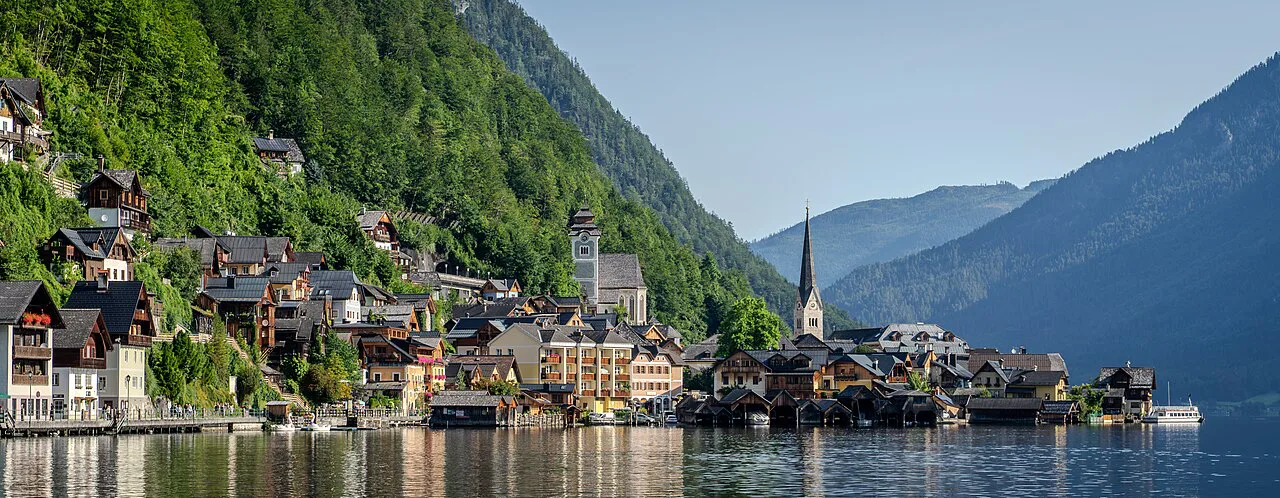
Step out and the lakefront is immediately useful: the Hallstättersee shoreline gives you the classic view back at the village and a flat walk when the lanes are jammed at midday. Boat services on the lake are a separate operation with their own seasonal timetable, so check before counting on one as transport rather than scenery.
Two churches round out a short circuit. The Catholic parish church, Pfarrkirche Mariä Himmelfahrt, sits above the village with the cemetery around it, and the Hallstatt Ossuary in St. Michael's Chapel holds the painted skulls that visitors come to see. The Lutheran Church, the Evangelical Church of Christ in Hallstatt, stands near the lake and is often the first landmark you notice from the water.
Allow a further 45 to 60 minutes for the church loop if you go inside, and rather less if you are only walking past. Keep the museum as the fixed point of the afternoon and let the churches fill whatever remains before the light goes.

Is the Hallstatt Museum worth an hour of your day?
Yes, if you want the salt mine and the Iron Age cemetery to mean something beyond a pleasant ride uphill. The museum holds the grave-field finds, explains the Hallstatt culture name and does it in about an hour for a modest day-pass price. Skip it only if you are treating Hallstatt as a passing photo stop.
Explore more Hallstatt guides
Frequently Asked Questions
Do I need to book Hallstatt Museum tickets in advance?
No advance booking is described for individual visitors; day passes are sold by tier at the museum. Groups of 10 or more pay a reduced rate, so a group should organize as one party at the desk.
Can I see the excavations from the grave field inside the museum?
No. The grave field is on the Salzberg above the village; the museum displays the finds recovered from it, including material from Ramsauer's excavations of 1846 to 1863. Plan the two as separate stops on the same day.
Is Museum Hallstatt open on Mondays?
The published schedule lists daily opening across all seasons rather than a weekday closure, with holidays marked as closed. Confirm the current day's window at the desk or on the museum site before you walk over.
How far is the museum from the Hallstatt ferry pier?
It sits at Seestraße 56 in the car-free center, a few minutes on foot from the pier and the Marktplatz area. Boats and buses deliver you to the edge of the old town, and everything from there is walked.