
Helenental bei Baden: A Valley Guide to the Schwechat, Ruins and Vienna Woods

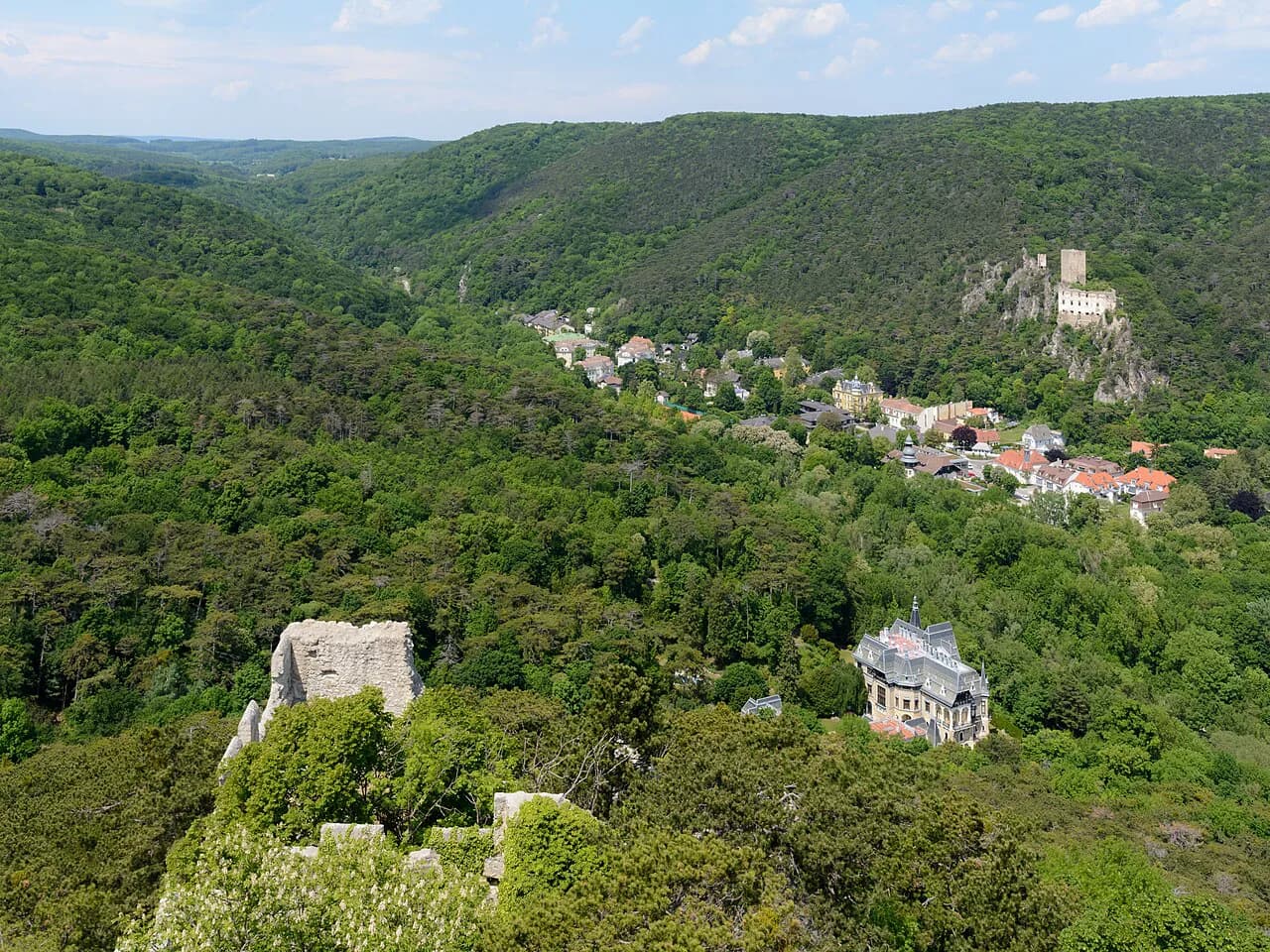
Helenental is a wooded river valley just south of Baden bei Wien, and it costs nothing to walk into it: there is no gate, ticket or opening time to plan around. It follows the Schwechat through the Vienna Woods, with the Rauhenstein castle ruin on the slope above the road, and it works as a half-day of walking rather than a ticketed sight. This guide covers how to reach the valley, where to start on foot, and how to add the Seegrotte Hinterbrühl show mine or Liechtenstein Castle to the same day, with the wider Baden bei Wien Attractions: 7 Visitor Guides as the place to plan the rest of your time in town.
What and where Helenental is
The valley is the Schwechat's corridor through the hills south of Baden's center, a green, shaded run of river, road and path rather than a single address. It sits inside the Vienna Woods, which UNESCO designated a biosphere reserve in 2005 and which covers a protected landscape of roughly 1,350 square kilometers across the region.
Treat Helenental as a place to move through on foot or by bike, not as a fenced attraction with a visitor center or a published closing time. The practical plan is to pick a starting point at one end, walk or ride the valley, and stop where the river, the ruin or a nearby paid sight pulls you in.

How to get there from Vienna and Baden
Baden bei Wien is the natural base, and it is served by rail and bus from Vienna, so the valley is reachable without a car. Check current ÖBB and Postbus timetables for the specific service and station before you go, since schedules change between seasons.
By car, the valley is a short drive south of Baden's center along the road that follows the Schwechat. Parking along the valley is informal and fills on weekends, so arriving early gives you more choice of where to leave the car and start walking.
Walking the valley: path and cycle route
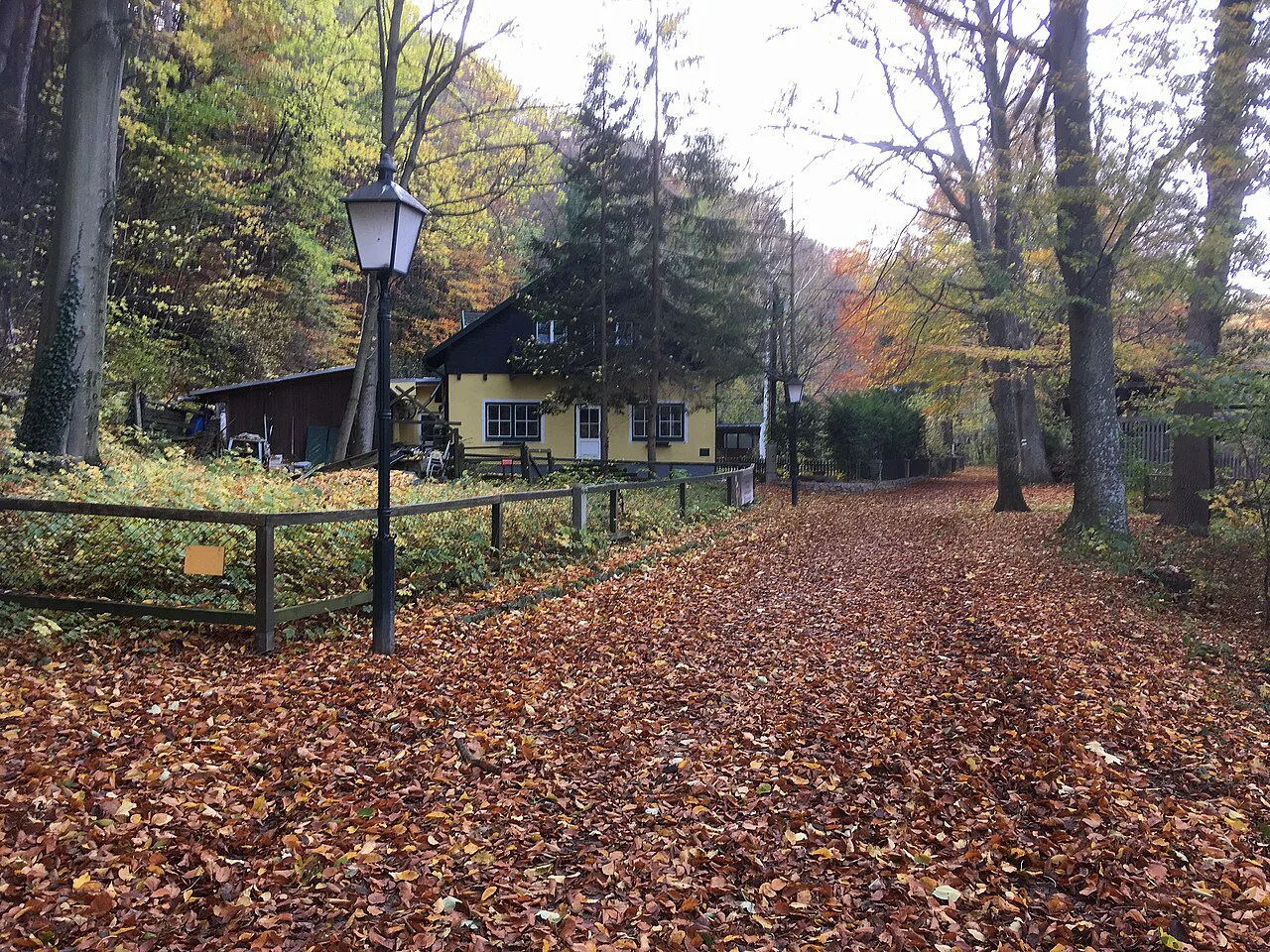
Two distinct routes serve the valley: a riverside walking path along the Schwechat and the Helenentalradweg, a signed cycle route that shares the corridor. Walkers should stay on the footpath rather than the cycle route, since the bike traffic can be brisk on fine weekends.
The reward for looking up is the Rauhenstein castle ruin on the slope above the road, a short detour that adds a climb to the walk. Beyond the ruin, the path continues into the Vienna Woods, where marked trails branch off toward the surrounding hills.

Seegrotte Hinterbrühl: the underground lake
The Seegrotte Hinterbrühl is a former gypsum mine turned show mine, and its own operators describe it as Europe's largest underground lake, reached by a boat trip through the tunnels. It sits at the southern end of the Helenental corridor, making it the obvious paid stop if you want an indoor sight on a wet day.
The mine reopened under a new operating team after renovation and expansion, so the current tour lineup and prices are set by the operator rather than by the town. Check the Seegrotte's own visitor-information page for the day's tour times and admission before you build the valley walk around it.
Burg Liechtenstein in Maria Enzersdorf
On the way back toward Vienna, Liechtenstein Castle at Maria Enzersdorf offers a Grand Tour that combines the regular tour with the treasury, the tower and the fireplace room. It runs two hours for a maximum of 20 participants, meets in the castle courtyard, and costs 20 euros per participant, 10 euros per child and 15 euros reduced, with a 10-euro supplement for Vienna Pass holders.
The tour is bookable on special request for at least five people, which suits a group but means a solo traveler should check whether a scheduled slot is running. The tower climb gives a wide view over the Vienna Basin and the southern Vienna Woods, so it pairs well with a morning in the valley.
Vienna Woods context: viewpoints and the biosphere reserve
The Vienna Woods that surround Helenental extend right into the city, covering 9,900 hectares across seven Viennese districts including Hietzing, Penzing and Döbling. Within that protected belt, the Leopoldsberg and Kahlenberg are the classic local viewpoints, with the Stefaniewarte lookout on the Kahlenberg giving a view across the city and the woods.
If you are coming from Vienna, the valley fits neatly on the same day as a Kahlenberg or Leopoldsberg stop, though the two are on opposite sides of the city and need separate transport legs. Keep the valley as the walking part of the day and the viewpoints as a short add-on rather than trying to link them on foot.
Practical timing: sequencing the valley and paid sights
A sensible one-day sequence is a morning walk along the Schwechat, a stop at the Rauhenstein ruin, then the Seegrotte boat trip or the Liechtenstein Castle Grand Tour in the afternoon. The castle tour alone takes two hours, so it will not fit alongside both the mine and a long valley walk without a rushed start.
If you have only half a day, choose one paid sight and leave the rest of the time for the river path; if you have a full day, book the Grand Tour slot first and build the walk around it. Check the Seegrotte and Liechtenstein Castle pages for their current tour times before fixing the order.
Where to eat and stop in Baden after the valley
Back in Baden, the town center around the Kurpark and the Hauptplatz area is the natural place to eat after a valley walk, with cafes and restaurants in easy reach of the station. A stop in the Kurpark Baden bei Wien gives you gardens and shade to round off the day before the train, and a wander through the Doblhoffpark in Baden bei Wien adds a second, quieter green space on the walk back through town.
Baden's museum quarter, including the Kaiserhaus Baden bei Wien, the Arnulf Rainer Museum, and the Beethoven House Baden, is a good wet-weather alternative if the valley turns out too muddy. Opening days and ticket prices for these museums are set individually, so confirm each one before you commit an afternoon to it.
What Helenental is not
Helenental has no separate visitor center, no ticket office and no published opening hours of its own, because it is an open valley rather than a managed attraction. The paid, scheduled parts of the day are the Seegrotte show mine and the Liechtenstein Castle tours, each with its own operator, times and admission.
That also means there is no single leaflet or gate telling you which path to take: bring a map or use a signed trail junction to choose your route. The valley is best treated as a walk with a clear start and end point in Baden, not as a full-day destination in its own right.
Is Helenental worth the detour from Baden?
Yes, if you want a free, shaded walk in the Vienna Woods and are willing to pair it with one paid sight. The valley itself needs no ticket and no booking, while the Seegrotte Hinterbrühl and the Liechtenstein Castle Grand Tour give the day a fixed structure and a fixed cost.
Base yourself in Baden bei Wien, start early to find a parking spot, and confirm tour times for the mine and the castle before you set out. That way the walk stays flexible while the paid additions stay predictable.
Explore more Baden bei Wien guides
Frequently Asked Questions
Is Helenental free to visit?
Yes. Helenental is an open valley rather than a ticketed attraction, so there is no entrance fee or gate. The paid stops nearby are the Seegrotte Hinterbrühl show mine and the guided tours at Liechtenstein Castle in Maria Enzersdorf, each priced by its own operator.
Can you reach Helenental without a car?
You can. Baden bei Wien has rail and bus connections from Vienna, and the valley is a short walk or local ride from the center. Check current ÖBB and Postbus timetables for the specific service before traveling, since schedules vary by season.
How far is Helenental from Baden's center?
The valley begins on the southern edge of Baden, within easy reach of the center by local transport or a short drive. Exact distances depend on which end of the valley you start from, so pick your entry point on a map before setting out.
How long does the Liechtenstein Castle Grand Tour take?
The Grand Tour lasts two hours and is limited to 20 participants, meeting in the castle courtyard. It includes the regular tour plus the treasury, the tower and the fireplace room, and it can be booked on special request for groups of at least five.