
Arnulf Rainer Museum, Baden bei Wien: Art Inside an 1821 Bathhouse

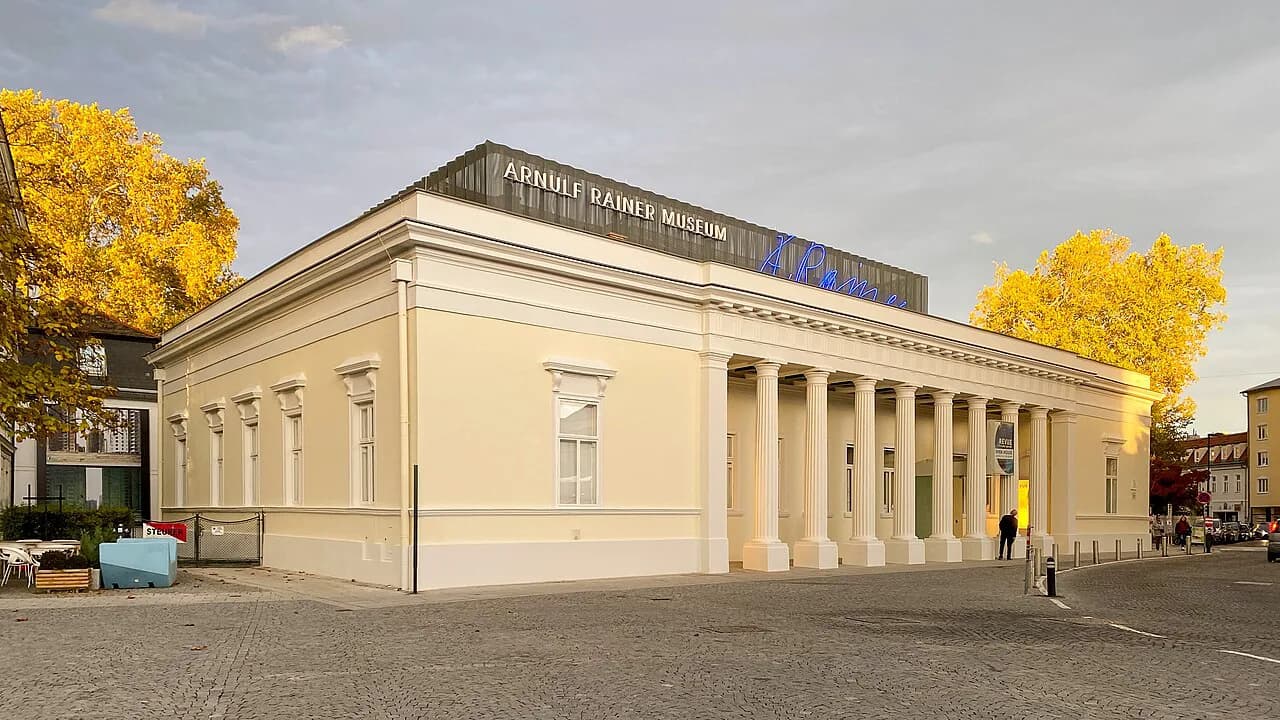
The Arnulf Rainer Museum in Baden bei Wien is a contemporary art museum inside the Frauenbad, the one Baden bathhouse where the historic bathing architecture, including the pool and changing cabins, still stands. Plan roughly an hour to ninety minutes: the art displays are compact, and the building itself is half the reason to come. This guide covers what survives of the bathhouse, how the 1821 building and its 1877 reworking read today, how the museum came to occupy it, and how it fits a stroll through Baden's center.
A bathhouse turned art museum in the middle of Baden
The Frauenbad was the largest and finest of Baden's many spa bathhouses, and the only one that kept its historic cure-bath architecture intact. Since 2009 it has housed the Arnulf Rainer Museum, which pairs the Austrian painter's own work with the Art Brut collection he helped assemble. Treat it as a compact stop inside town rather than a half-day destination, and check the museum's visitor information for the day's opening hours before you set out.

Why it is called Frauenbad
The name does not mean the bathhouse was reserved for women. A chapel dedicated to the Frauenkirche stood on the site in the thirteenth century, and the name carried over to the bathing house built there. That detail matters when you read the museum's signs: the Frauenbad takes its name from that earlier chapel, and the museum keeps the old name as the building's historic identity.
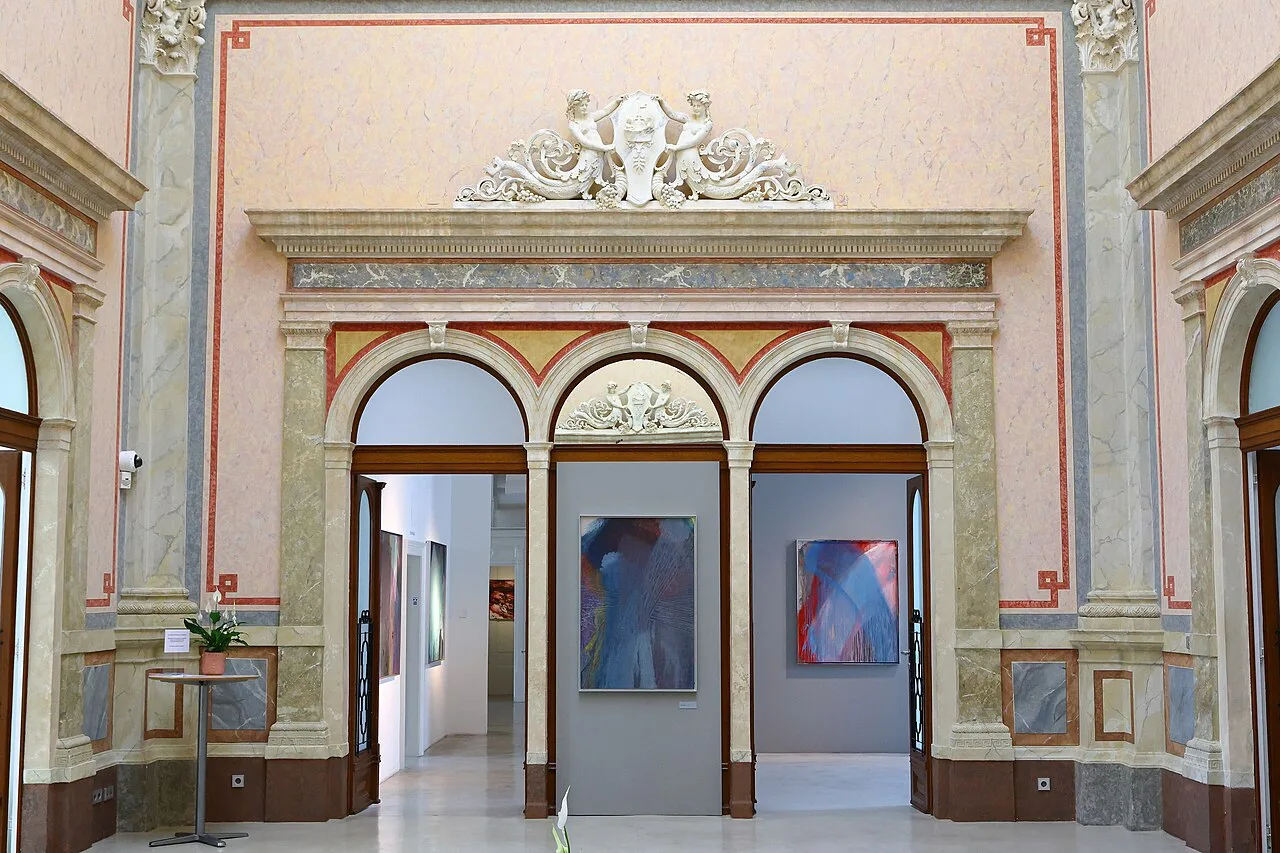
Inside, the bathing past is not a separate exhibit you visit at the end; it is the room you stand in. The pool basin and the changing cabins survive, so the art hangs around and above the fixtures of a working spa. Allow time to look up and around between the works rather than walking straight from piece to piece.
Moreau's 1821 design and the 1877 Spiegelsaal
The building was laid out in 1821 on a design by Charles de Moreau, a leading architect of French classicism, working with Baden's city master builder Anton Hantl. The brief at the cornerstone laying favored practicality, economy, and a plain, undecorated structure rather than display. Read the facade with that in mind: the restraint is the original intent, not later stripping. Moreau also designed Vienna's Dianabad and the Palais Palffy, and Hantl went on to build Baden's Rathaus and the Weilburg.
Within fifty years the technical fittings and interiors no longer met expectations, and a reworking began in 1877. The pools were clad in marble slabs and a large hall was inserted at the center of the building, today called the Spiegelsaal. That is the honest trade-off for visitors: the bath-era fittings you see are largely the 1877 version, not Moreau's original 1821 interior, so the building reads as two layers rather than one.
From bathing to exhibitions to a museum
The house operated as a modern bathing establishment for nearly a century after the 1877 rebuild, and bathing only ended in the 1970s. For some years afterward it served as an international exhibition center before the 2009 conversion into the Arnulf Rainer Museum. The Vienna architecture team Lottersberger-Messner-Dumpelnik carried out that conversion under Rainer's principle of making something new from the old, leaving the historic fabric untouched.

Arnulf Rainer and the Art Brut connection
Rainer's interest in Art Brut, the raw art made outside academic conventions that Jean Dubuffet named in 1945, runs through the museum's identity. He came to it through Surrealism and through Leo Navratil's book Schizophrenie und Kunst, which led him to the artists of Gugging. From the 1960s he collected their work and entered into dialogue with it, overpainting photographs of his own body and images by old masters, and in 1994 exchanging overpaintings with Gugging artists such as Johann Hauser and Oswald Tschirtner.
The museum drew on the Zambo collection, transferred to the Lower Austrian state collections in 2024 and described as the world's most extensive holding of Rainer's work, alongside loans and the Navratil collection. The exhibition Arnulf Rainer & Art Brut ran from 18 October 2025 to 4 October 2026 and brought together Rainer, Gugging artists and figures such as Adolf Wölfli and Friedrich Schröder-Sonnenstern. Check the museum's program for what is hanging during your visit, since the displays change.
How to visit: admission, audioguide, and the Frauenbad catalog
Admission prices and full opening hours are set by the museum and are best confirmed on its site or at the desk on arrival, since the published details change with the season and the program. If you want the house-history content as well as the art, ask at the desk what the current ticket covers before you commit.
Two extras make the building legible. An audioguide walks you through the history of the Frauenbad on site, and the museum shop sells the catalog 200 Jahre Frauenbad, which follows the building's architectural development in more depth than the labels can. If your interest is the bathhouse rather than the paintings, budget for the guide and skim the catalog afterward rather than carrying it through the rooms.
Where it sits in Baden and what is close by
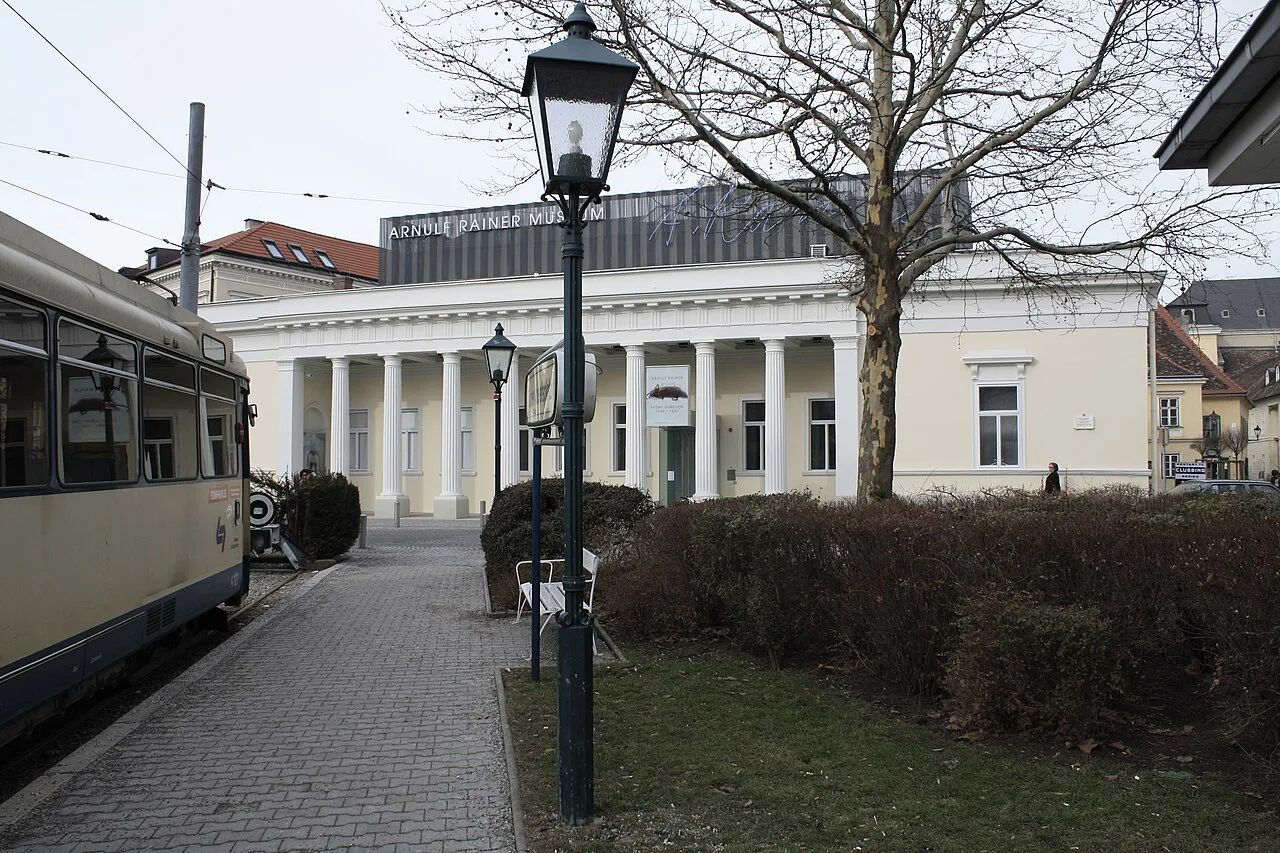
The museum stands in Baden's historic spa district, within easy walking distance of the center's other sights, which makes it natural to pair with a morning or afternoon on foot. Baden bei Wien Attractions maps the full set of stops if you are building a route through town. Two green spaces bookend a visit nicely: the Kurpark Baden bei Wien for a slow loop afterward, and the Doblhoffpark Baden bei Wien if you want a longer walk before heading back.
If you are tracing Baden's imperial and civic history, the Kaiserhaus Baden bei Wien and the Kaiser Franz Josef Museum Baden round out the day indoors. The Helenental Baden bei Wien is the nearest escape into the woods when you want to leave the streets behind. Allow the museum about an hour and stack one of these on either side rather than trying to fit them all in.
Is the Frauenbad worth an hour of your Baden day?
Yes, if you want a compact art stop with a building attached, rather than a full afternoon of exhibition halls. The draw is the rare chance to stand in a working spa bathhouse converted with its pool, cabins and 1877 Spiegelsaal intact, with Rainer's own work and the Art Brut holdings as the content around it. Check the current program and admission before you go, then build the rest of the day around the Kurpark and the old center.
Explore more Baden bei Wien guides
Frequently Asked Questions
Can you visit the Spiegelsaal separately from the museum?
The Spiegelsaal is the central hall created in the 1877 reworking of the Frauenbad, and you see it as part of a museum visit rather than as a stand-alone sight. The museum's own site describes it as the hall laid out at the center of the building in 1877.
Is the Arnulf Rainer Museum wheelchair accessible?
Accessibility is covered in the museum's visitor information, so check there before you travel if step-free access matters to you. The historic bathhouse layout means routes through the building are worth confirming in advance rather than assuming.
Is there a cafe at the Arnulf Rainer Museum?
The museum's site lists a museum shop, not a cafe. Baden's center is a short walk away, so plan to eat before or after your visit rather than counting on refreshments inside the building.