Rattenberg, Austria's Smallest Town: Glass, Lanes and the Castle Ruin
Plan a visit to Rattenberg, Austria's smallest town: medieval pedestrian lanes, glass workshops and shops, the Augustinermuseum tower and the Schlossberg walk.
On this page
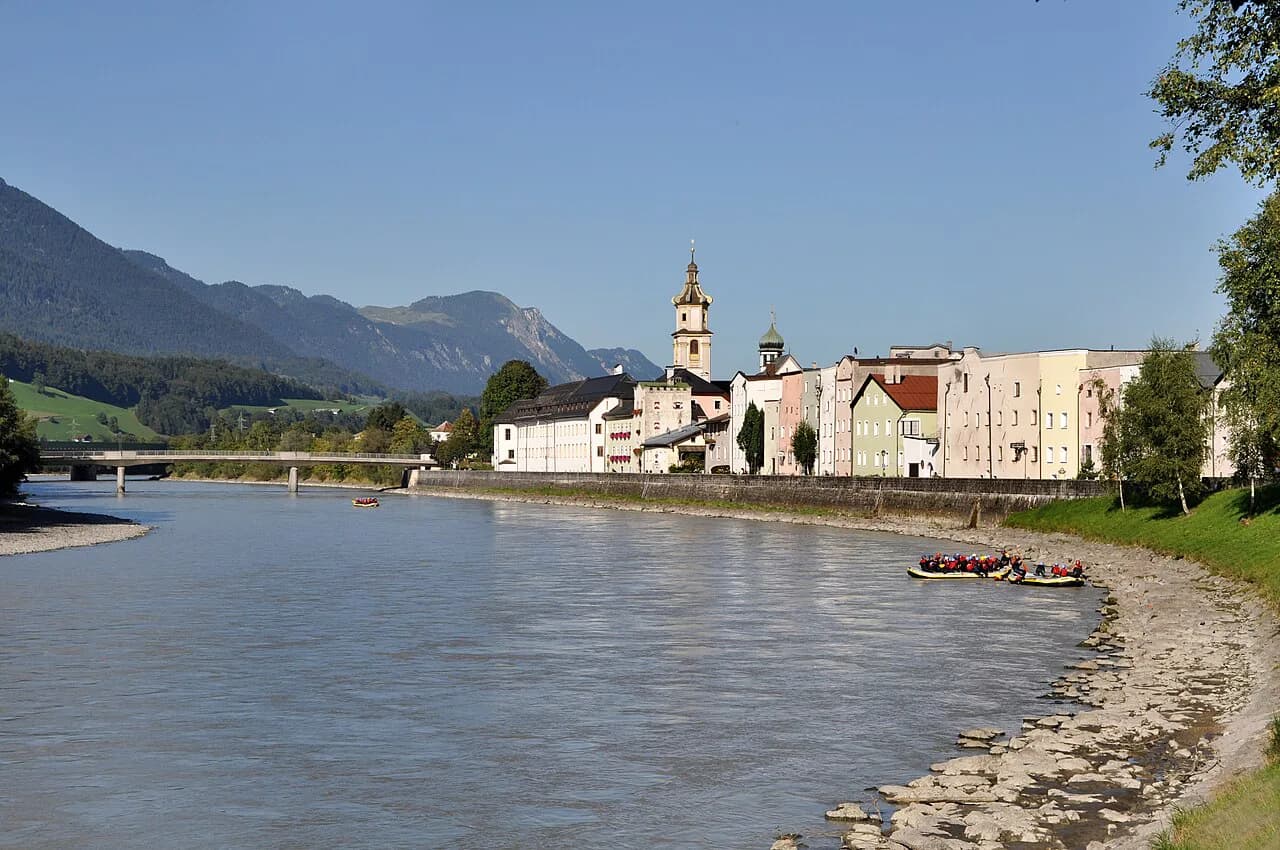
Rattenberg is Austria's smallest town, and that is the fact that should shape your visit: the whole historic core sits between the Inn and the Schlossberg, so the sights are minutes apart rather than spread across a city. Plan on a compact walking loop through one pedestrianized medieval center, with a single climb up to the castle ruin as the only real effort. This guide covers the layout, the glass workshops and shops, the museums, the tower, the walk to the ruin, guided tours, and how the town fits a route through Tirol.
Alpbachtal Tourismus puts the town at just under 11 hectares with just under 500 residents, while Tirol tourism gives roughly 440 residents on just under 10 hectares. Either way you are dealing with a few streets, not a district, which is why a half day here covers the museums, the glass and the viewpoint without rushing.
Why Rattenberg is called the Glasstadt
Glass is the town's identity, and the nickname Glasstadt reflects a craft tradition that grew up here rather than a single factory. You will see it in the shop windows along the lanes before you reach any museum: glass figures, vases, jugs and mouth-blown wine glasses, sold by several businesses in the old center. Treat the glass shops as the spine of a visit rather than an afterthought between the museums.
The town's medieval importance came from transport, not glass: it sat on a regional traffic junction with its own landing stage for Inn shipping and served as a customs post. That history explains why such a small place has a walled core, a church with a defensive tower and a castle on the rock above it.
How the old center is laid out
Rattenberg runs as one compact pedestrian zone of narrow lanes and medieval facades between the river and the Schlossberg. Parking sits outside the old center, which is why the lanes stay quiet enough to walk in the middle of the street. Start at the west entrance, where the town narrows into the rock and the walk naturally begins.
Because the center is car-free and small, the practical plan is to park once, walk in, and do everything on foot until you leave. The lanes are level apart from the Schlossberg climb, so the loop through the shops and museums suits most travelers.
Nagelschmiedhäuser and the Handwerkskunstmuseum
The double-gabled Nagelschmiedhäuser, built into the rock at the western entrance, is the natural first stop and the town's most photographed facade. Nails were forged in these houses until 1912, and the smiths had to turn out roughly 2,000 nails a day to make a living. A craft museum now occupies the buildings, with nativity scenes, wood-paneled rooms, original furnished bedrooms, antiques and material on Inn shipping.
Tirol tourism dates the Nagelschmiedhäuser to the 12th century, while elsewhere the town's attractions are described as 11th-century. Either way, the point for a visitor is the same: this is the oldest built fabric in town, and the museum explains the craft economy that kept a tiny settlement alive.
Glass workshops and shops in the lanes
Kisslinger Kristallglas is the best-known glassmaker and refiner in town, and its main shop spreads across three floors with everything from oversized goblets to fine glasses, jewelry and glass plates. Blowers work at the furnace, so you can watch molten glass come out of the heat and take its final shape. That live demonstration is the reason to go into the shop even if you are not buying.
Two doors away, a second Kisslinger shop puts an engraver at work, cutting names and motifs into glass on request. Individual letters start at 10 cents, which makes a personalized glass a cheap souvenir compared with the pieces on the shelves. If you want a course rather than a purchase, glass shops in town, Kisslinger among them, run sessions where you can try glass ball blowing yourself.
Café and Konditorei Hacker
Café Hacker has been making sweets for 200 years and is known for its tortes and cakes, which makes it the obvious mid-walk stop. It is a konditorei as much as a café, so the case of cakes matters more than a full lunch menu.
The pulled apple strudel is the local specialty to ask about: Konditorei Hacker demonstrates the hand-stretched dough and follows it with a tasting, but only on advance order. If that is the reason for your stop, arrange it before you arrive rather than hoping to catch it on the day.
The Malerwinkel and the climb to the Schlossberg
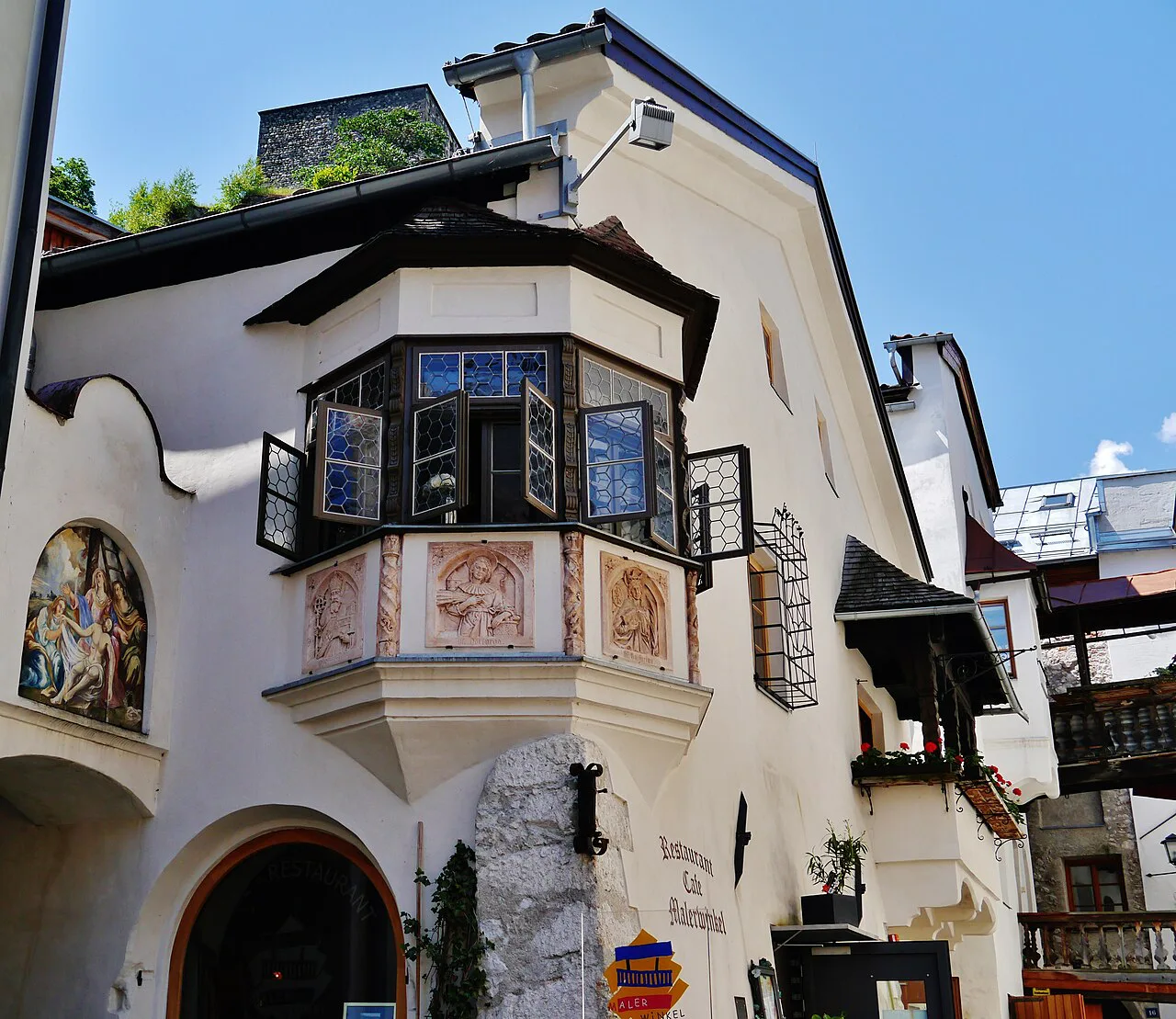
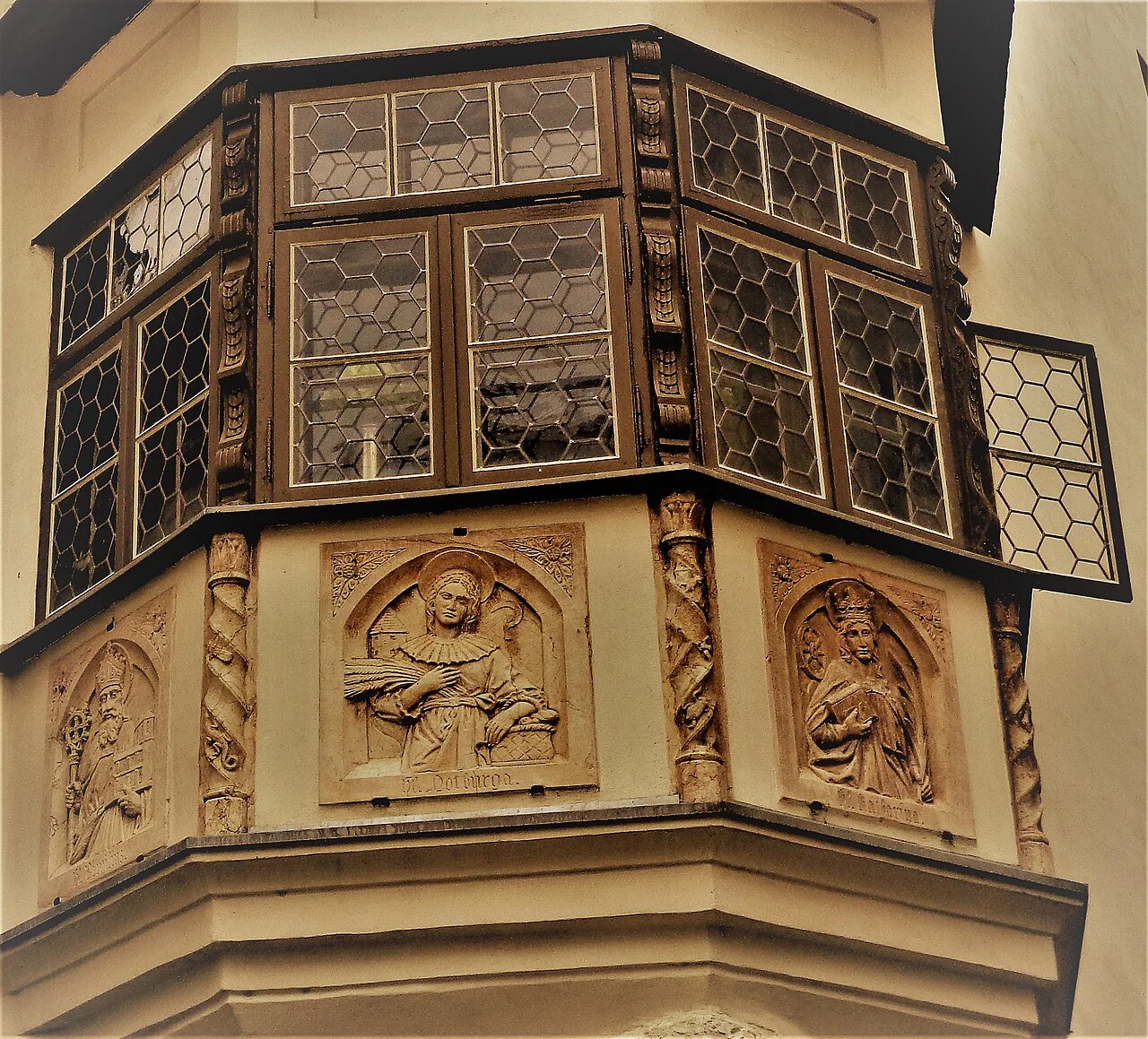
On the way up to the ruin you pass the Malerwinkel, a former plain utility building and later a school gym that is now an events and seminar center with a restaurant in a Gothic vaulted cellar. It is a quick look rather than a sight in its own right, but it marks the point where the lanes give way to the path.
The Schlossberg viewpoint is about 15 minutes on foot from the center, and it is the one real climb in an otherwise flat town. The reward is the classic view over Rattenberg's roofs and the Inntal, plus the castle ruin and the Bienerturm up close. Skip it only if stairs and a short ascent are a problem.
Augustinermuseum and Tirol's only public church tower
The Augustinermuseum holds historic art, but its real draw is the timber-framed church tower, the only publicly accessible church tower in Tirol. Climbing it gives you the best elevated view without leaving the center, past historic bells and a baroque turret clock. That makes it the alternative to the Schlossberg for anyone who wants the view without the walk.
Burgruine Rattenberg and the Schlossbergspiele
The castle ruin on the Schlossberg, with the Bienerturm, is a fragment of the town's defensive past rather than a furnished palace, so read it as a viewpoint with walls. In summer the ruin's setting becomes a stage for the Rattenberger Schlossbergspiele, with theater performed against the old stone. Outside performance times the climb is simply about the view.
Rattenberg also hosts the Rattenberger Advent, a seasonal market that draws visitors into the narrow lanes. Do not plan around either event without confirming the current program and dates with the local tourism office.
Guided tours through the lanes
Local guides run town walks in several formats: a classic tour, a costumed version and tours built around specific themes. For a town this small, a guide is less about covering distance and more about the history behind facades you would otherwise pass in seconds. Book through the Alpbachtal tourism office rather than turning up and hoping a walk departs.
How long Rattenberg takes and how it fits a Tirol route
Half a day covers the Handwerkskunstmuseum, the glass shops, the Augustinermuseum tower and the Schlossberg climb at an unhurried pace. A shorter stop of two or three hours gets you the lanes, one museum and a café, which is a fair trade if you are passing through. The town is small enough that the schedule question is about what you skip, not about transit between sights.
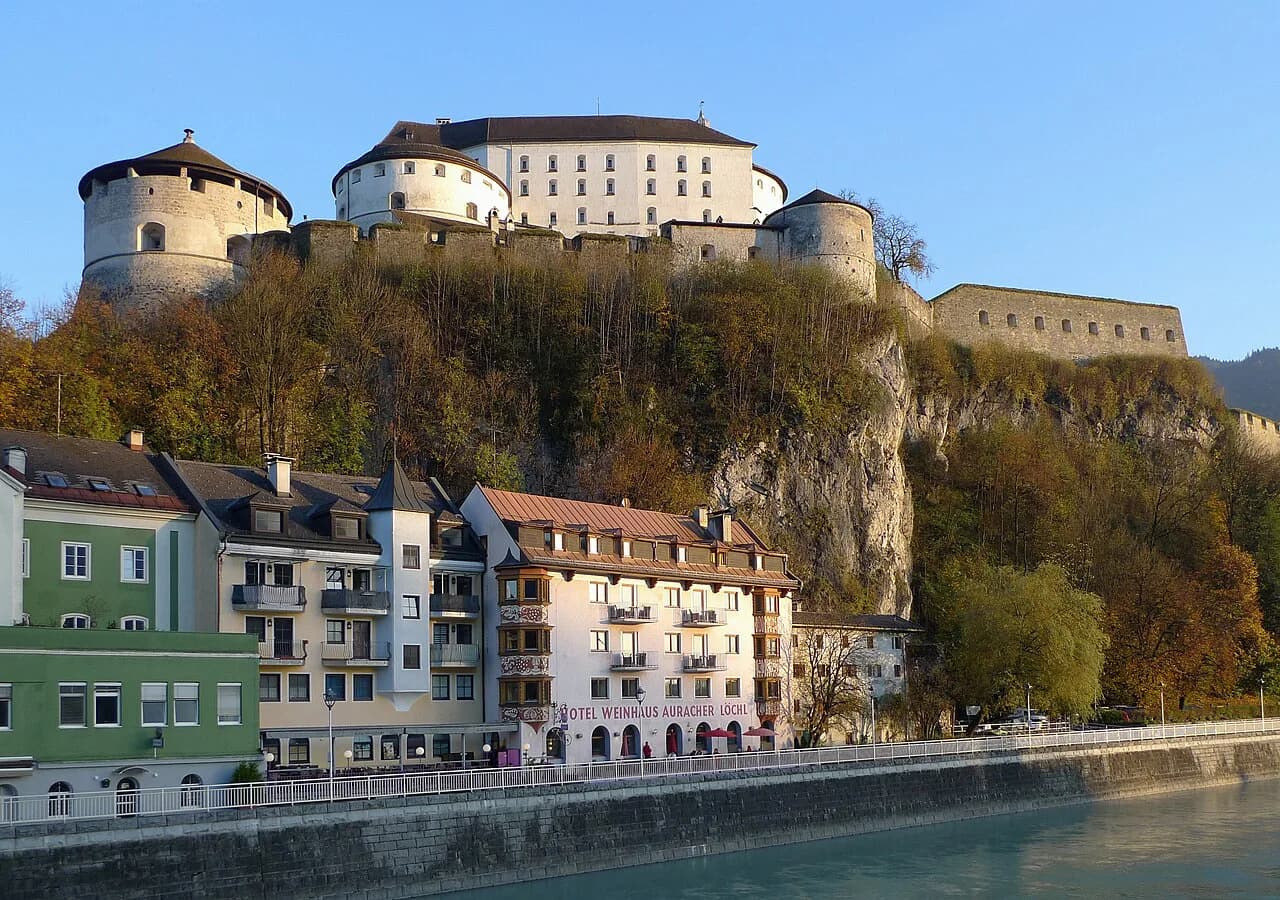
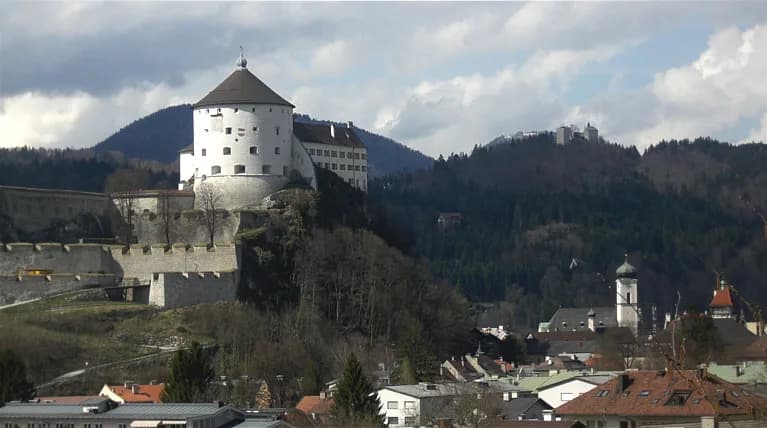
Rattenberg sits in the Alpbachtal region of Tirol, west of Kufstein on the Inn valley corridor, which makes it an easy stop on a rail or road route between Innsbruck and Kufstein. Kufstein is the larger anchor nearby, with the Festung Kufstein above the old town, so a day can pair the two — see our Kufstein town guide for the layout.
If the fortress is the reason you are in the area, give it its own block of time and check our Kufstein Fortress guide before you set the order of the day. Fortress visits and small-town wanders compete for the same hours, and the fortress wins on scale.
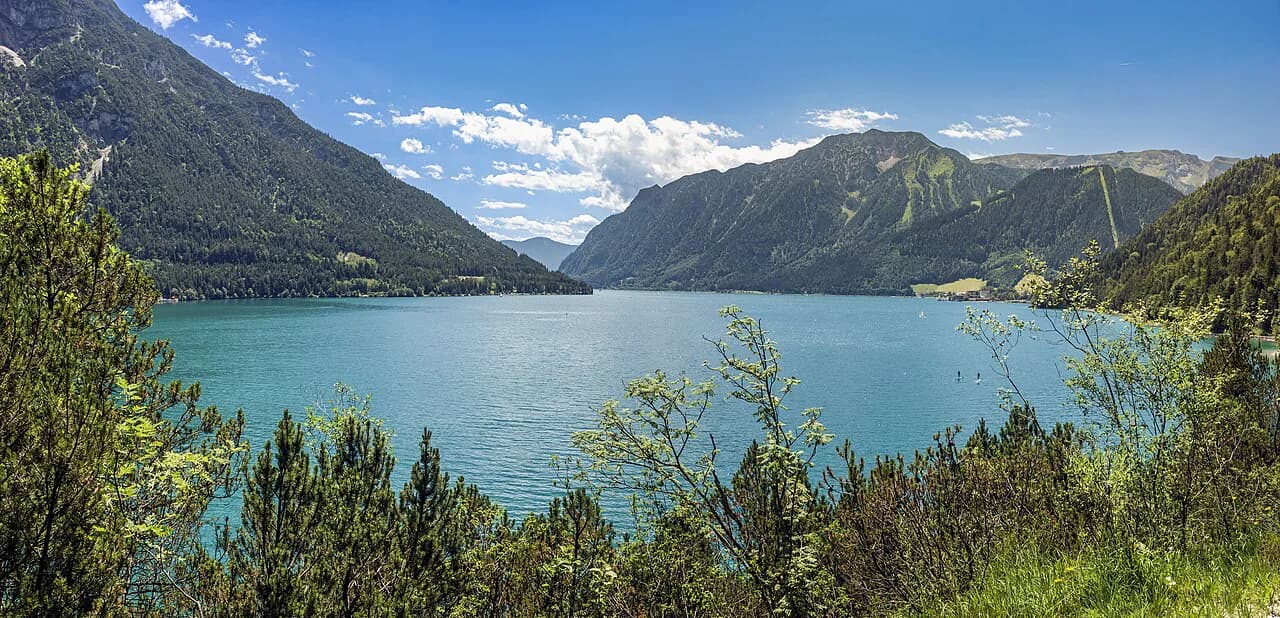
From Jenbach in the Inntal, the Achenseebahn climbs to the Achensee, a mountain lake that pairs naturally with a Rattenberg morning. Use published timetables for connections rather than assuming the rack railway and the Inn valley trains mesh.
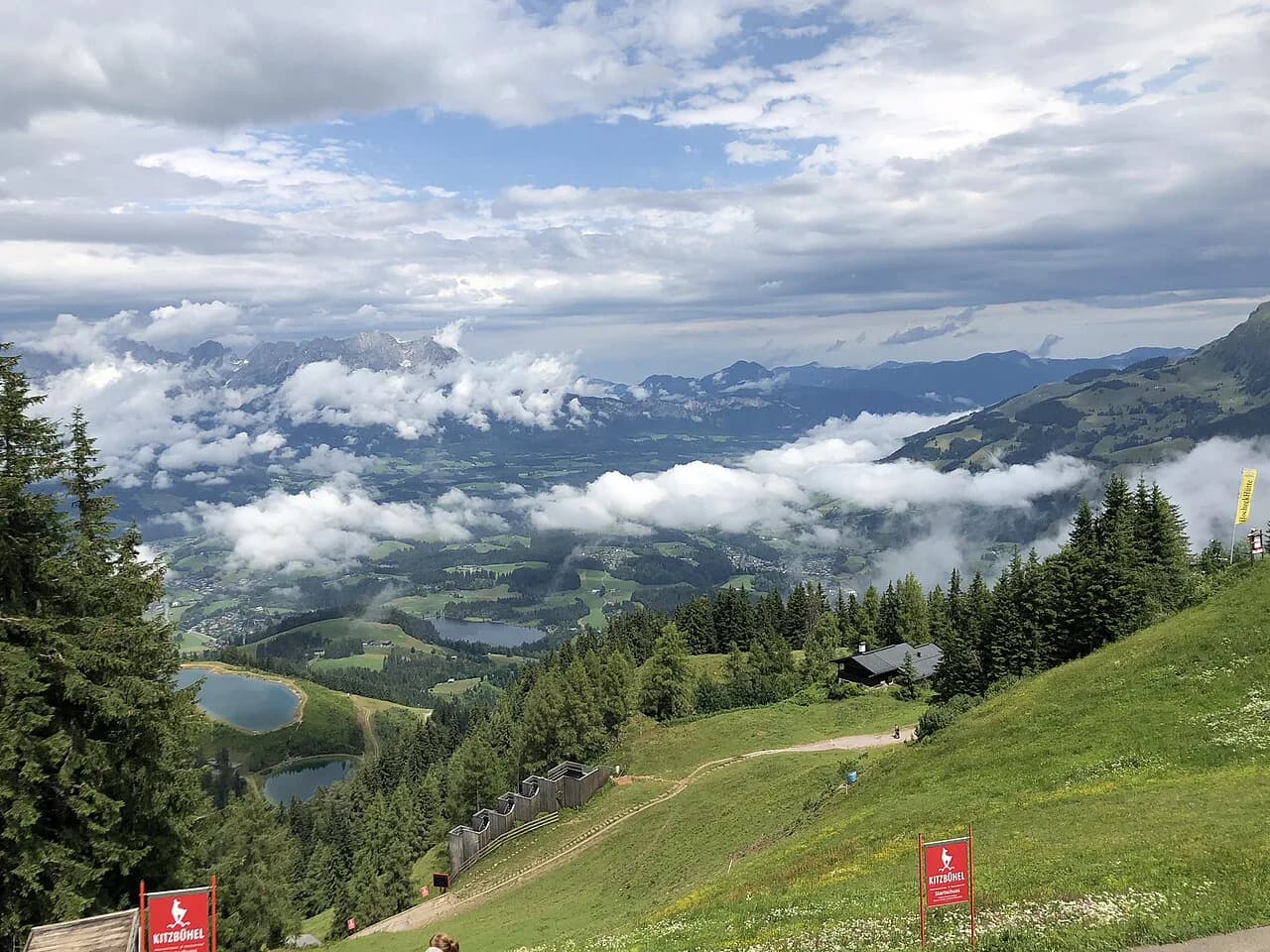
Schwaz, further up the Inn valley, adds a silver-mining town with its own medieval center if you want a second stop in the same day. Kitzbühel in summer is a more southerly alternative when the Kitzbüheler Horn and the Brixen im Thale side of the valley are the draw.
Practical points that shape the day
Park outside the old center and walk in, because the pedestrian zone is what keeps the lanes pleasant. The town is flat except for the Schlossberg path, and everything in the core is within a few minutes of everything else. Carry cash for small purchases such as engraved glasses, and confirm museum hours locally before a long detour.
Is Rattenberg worth the stop on an Inn valley route?
Yes, if you want a compact, walkable medieval town with a genuine craft identity rather than another museum circuit. The glass shops and the nail-smith houses give the lanes a purpose, and the Schlossberg or the Augustinermuseum tower gives you the view. skip the climb and the stop still works, just shorter.
Frequently Asked Questions
Is Rattenberg really the smallest town in Austria?
It is consistently described that way, with tourism sources giving roughly 440 to 500 residents on about 10 to 11 hectares between the Inn and the Schlossberg. The historic core is one pedestrianized medieval center, so you can walk the whole thing in a couple of hours.
How do you reach Rattenberg without a car?
Rattenberg lies on the Inn valley corridor near Kufstein and Jenbach, which is where rail connections run. Check current ÖBB and Postbus timetables for the station stop and connections before planning the day, and allow for the walk from the station into the pedestrian center.
What is Rattenberg known for?
Glass. The town is nicknamed the Glasstadt for its glass shops and workshops, including Kisslinger Kristallglas, where you can watch blowers and an engraver at work. Add the Nagelschmiedhäuser nail-smith houses, the Augustinermuseum tower and the castle ruin above town.
Sources
Notes for your next Austrian town break
Optional updates when we add or revise town guides.
You might also like
Continue reading
More guides you'll find useful