Kufstein Fortress: What to See and How to Visit
Kufstein Fortress above the Tyrol town runs a 21-station round tour past the Elisabeth Battery, the deep well and the museums. Plan the latest admission.
On this page
Kufstein Fortress is the reason to stop in Kufstein: a hilltop fortification first mentioned in the 13th century that now runs a 21-station round tour through its walls, batteries and museums. Allow two to three hours for the loop and the indoor displays, and arrive well before the latest admission so you are not rushed. This guide breaks the visit into its parts, from the fortifications to the deep well, and shows how the fortress slots into a Tyrol route.
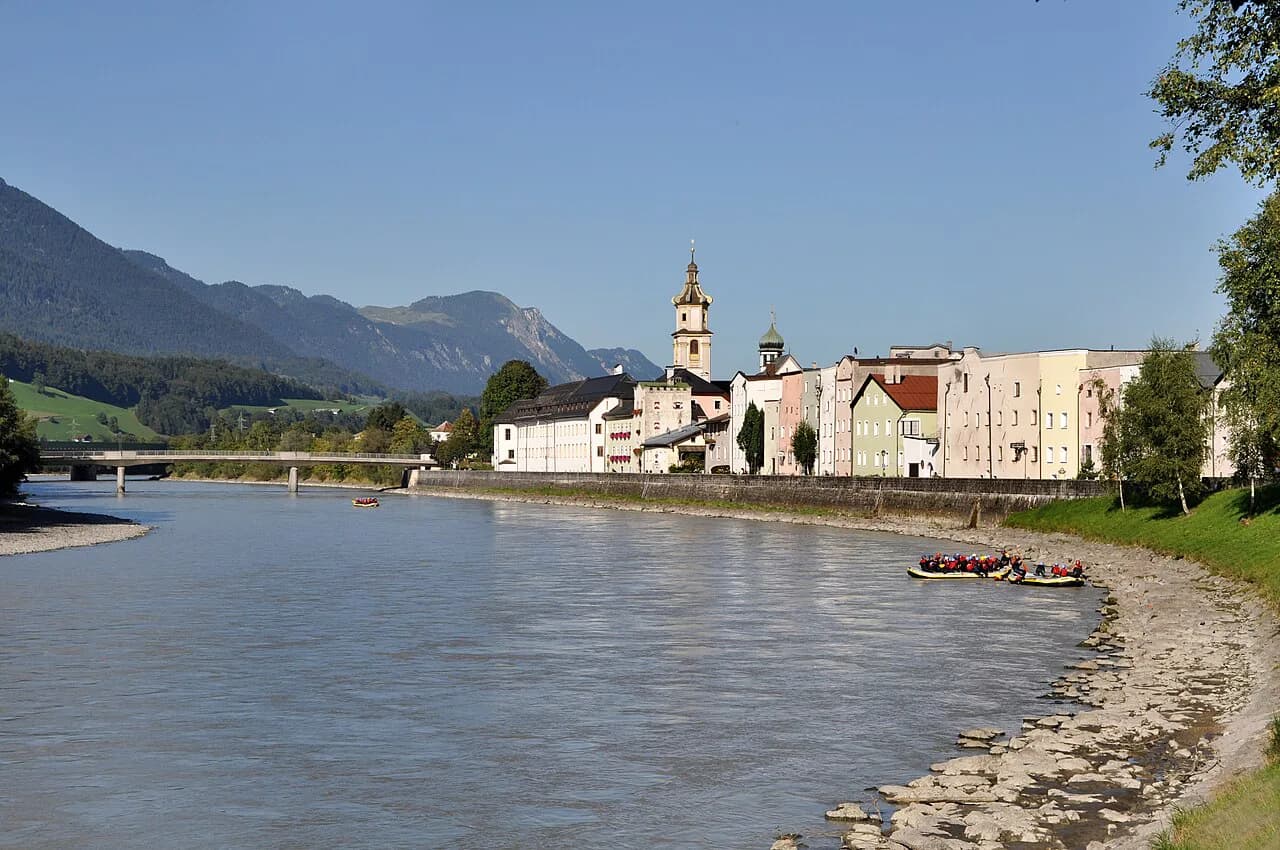
The fortress sits directly above the old town, so you can walk up from the center rather than driving to a separate site. The same visit can be paired with a short stop in Rattenberg, a small medieval town a few minutes down the Inn valley, for a full half day in the region.
What Kufstein Fortress is and why it is the town's landmark
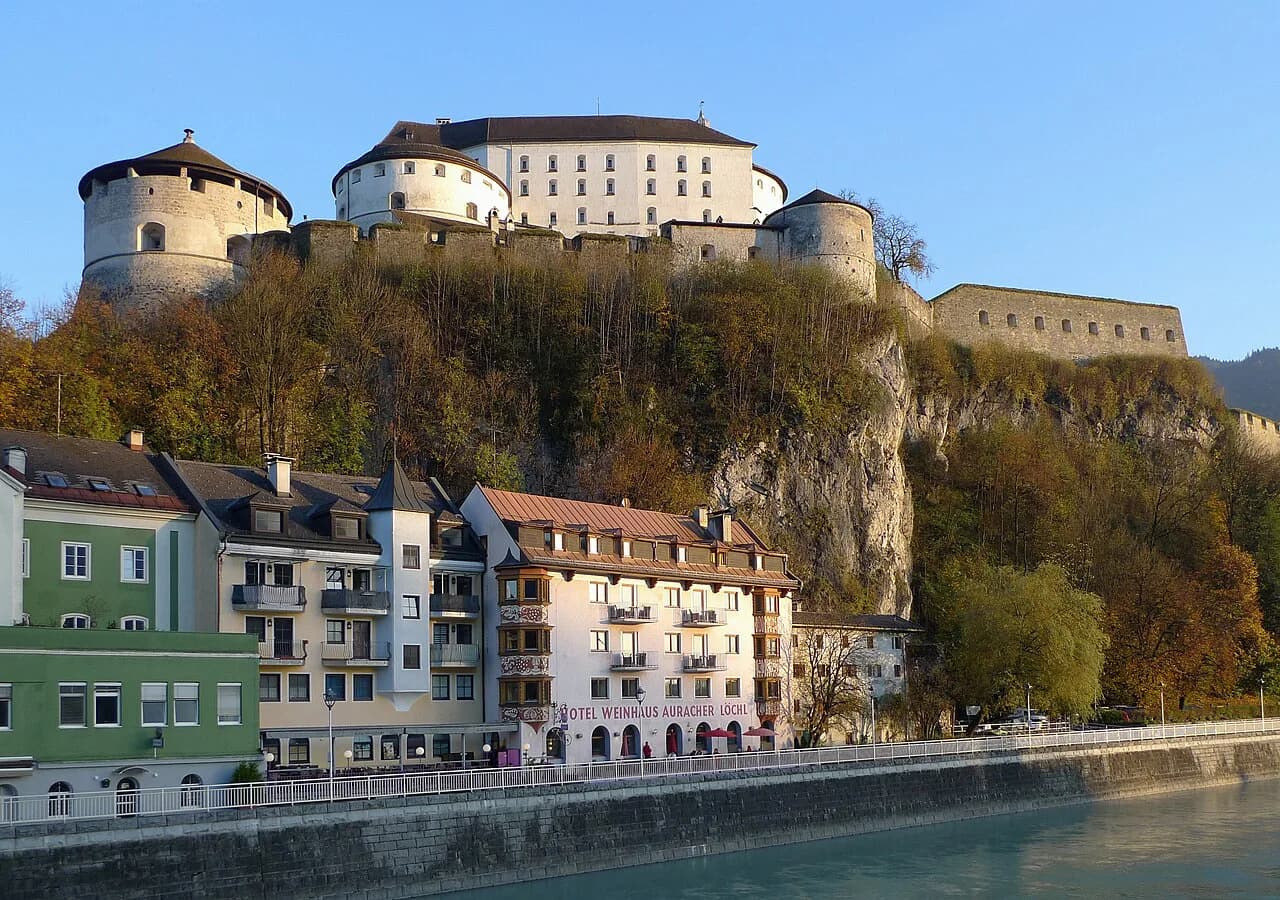
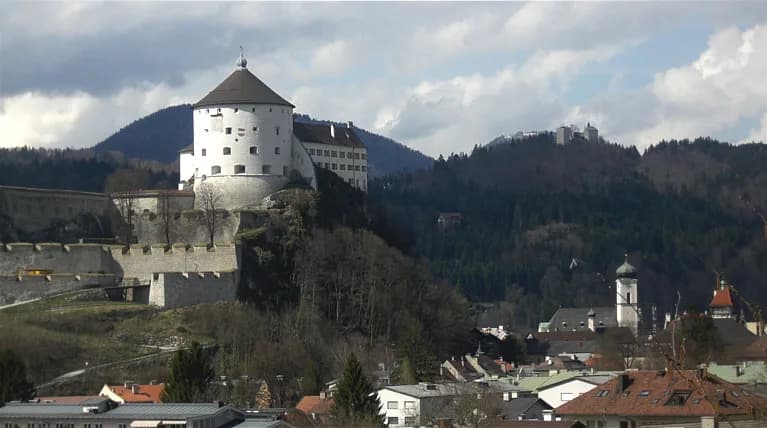
Kufstein Fortress is the town's defining sight, a fortress named for the town it looks down upon and now run as a cultural attraction rather than a ruin. It was first mentioned in the 13th century, which makes it the oldest reference point for understanding Kufstein's history. Visitors should think of it as both an outdoor monument and an indoor museum complex, because the ticket covers both.
The site is not a single building but a walled compound with several attractions inside the perimeter. That layout matters for planning: you move between open-air stations and indoor exhibits, so weather affects only part of the visit. It also means a quick walk around the walls is possible if you have limited time.

How the fortress is laid out: outdoor grounds, fortifications and museums
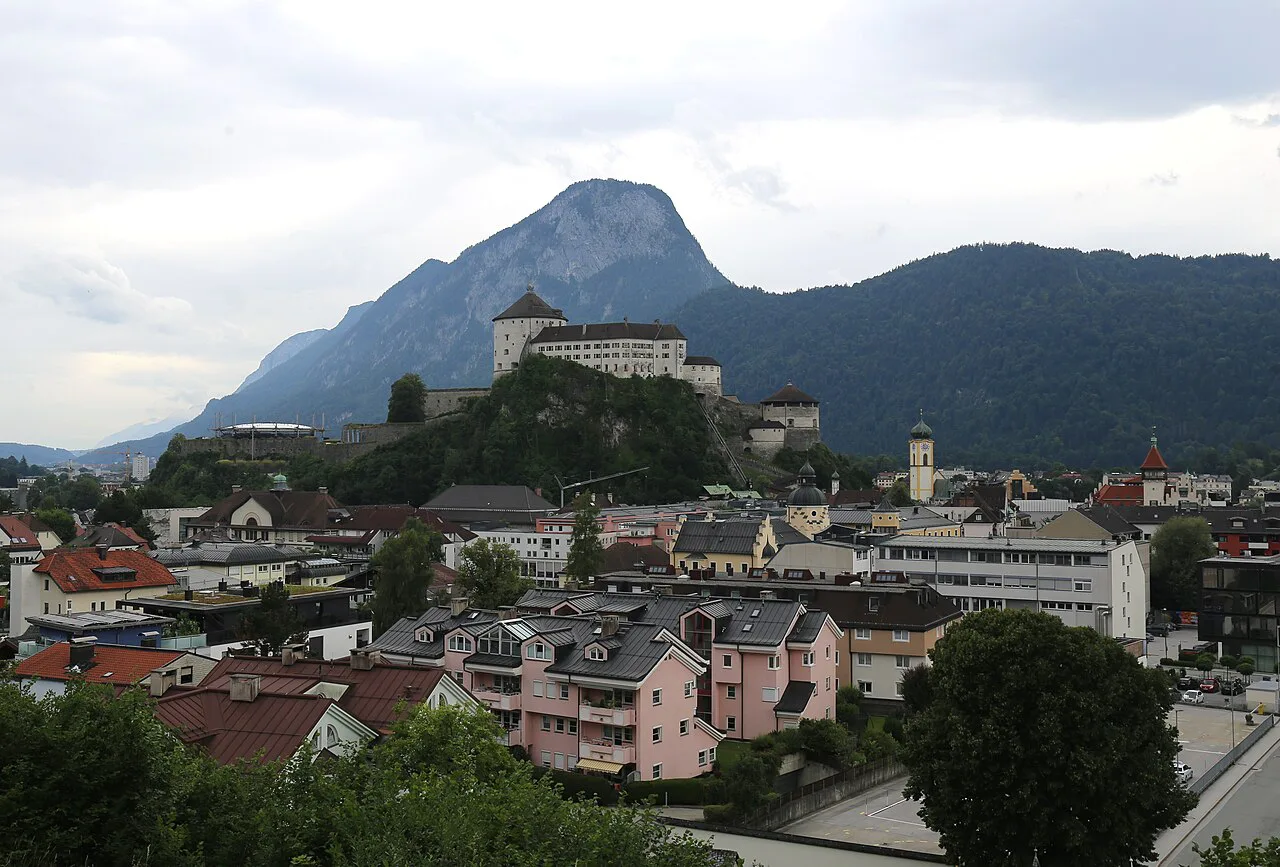
The visit is organized around the open-air area and its fortifications, which include the Elisabeth Battery with its cannon guns and the castle rotunda. A numbered route takes you through 21 stations across this outdoor space, so you can follow the sequence rather than wander. The fortress also houses several museums and changing special exhibitions under the same admission.
Because the grounds are extensive, sensible shoes and an eye on the clock matter more than a strict itinerary. The outdoor stations come first for many visitors, and the indoor collections provide shelter if the weather turns. Plan the outdoor loop for daylight and keep the museums for the part of the day when you want to slow down.
The 21-station round tour: the Elisabeth Battery, the rotunda and the cannon guns
The round tour is the core of a Kufstein Fortress visit, and it strings together the fortifications in a set order. The Elisabeth Battery, with its cannon guns, and the castle rotunda are the named stops, and the numbered stations help you keep track of what you have seen. Budget at least an hour for the outdoor route if you read the information along the way.
The stations are spread across the site rather than clustered, so the walk between them is part of the experience. If you are short on time, the battery and the rotunda are the landmarks to prioritize before the smaller exhibits. Leave room at the end for the deep well and museums.
The Tiefer Brunnen deep well and the underground rock passage
Two features sit below the walls and deserve their own time: the Tiefer Brunnen, a deep well of about 60 meters, and an underground rock passage. Both are part of the fortress tour and add a subterranean dimension that the outdoor walk does not. Look into the well and follow the passage where the route allows, but treat them as small stops rather than long detours.
The on-site museums and changing special exhibitions
Several museums are housed inside the fortress, alongside alternating special exhibitions, and they are included in the visit. This is where a fortress stop becomes a half-day rather than a quick photo: the indoor collections reward a slower pace and cover the history the walls only hint at. Check what is on before you go, because the special exhibitions change and may shape how long you spend inside.
If you are traveling with someone who tires of military architecture, the museums give the visit a second center of gravity. Combine one indoor gallery with the outdoor loop rather than trying to do everything. The result is a manageable half day with time left for the old town below.
Getting up to the fortress from Kufstein's old town
Kufstein Fortress stands directly above the town and looks down upon it, so the natural approach is on foot from the old town rather than by car. Expect a climb rather than a flat walk, and the payoff is the view over the town and the Inn valley. The fortress lies in the town of Kufstein in the Tyrol, and the station is in town.
Drivers should leave the car in the town and walk up rather than try to park against the walls. The walk also lets you see the old town streets that most day-trippers skip. Build in time for the climb so you still have room for the round tour before the latest admission.
Tickets and admission: what the price covers and the Alpbachtal Card discount
One admission with your Alpbachtal Card gets you 10 percent off entrance, which is the clearest money-saving option at the ticket desk. Current ticket prices are set by the fortress operator and are best confirmed on the official site before you travel.
The 10 percent card discount only pays off if you already hold the regional card, so do not buy one just for this entrance. Families and couples should compare the card against the full-price tickets before deciding. The fortress also hosts private and corporate events, so check the calendar if you want an undisturbed visit.
Opening seasons and the latest admission times in summer and winter
The fortress runs a summer and a winter schedule, and the key figure for planning is the latest admission time. In summer the last admission is at 5:00 p.m., and in winter it is at 4:00 p.m., so arriving late in the day will cut the visit short.
Treat the latest admission as the real deadline, not the closing time, because once you are inside you still need time for the round tour and museums. Aim to enter well before the last admission. Winter visits are shorter by nature, so prioritize the battery and the museums if you arrive in the afternoon.
How long the fortress takes and what to skip if time is short
A full visit, with the 21-station round tour, the deep well and the museums, takes about two to three hours. If you have an hour, focus on the outdoor loop, the battery and the rotunda, and treat the museums as a bonus. The underground rock passage and the well are quick stops that add character without much extra time.
Skip the special exhibitions if they do not match your interests, since the fortress's permanent outdoor attractions are the reason most people come. Travelers who want more should allow the full half day and combine the visit with the old town and a short stop nearby. The fortress is the anchor, not the whole trip.
Where the fortress fits in a route through the Tyrol and the Alpine roads
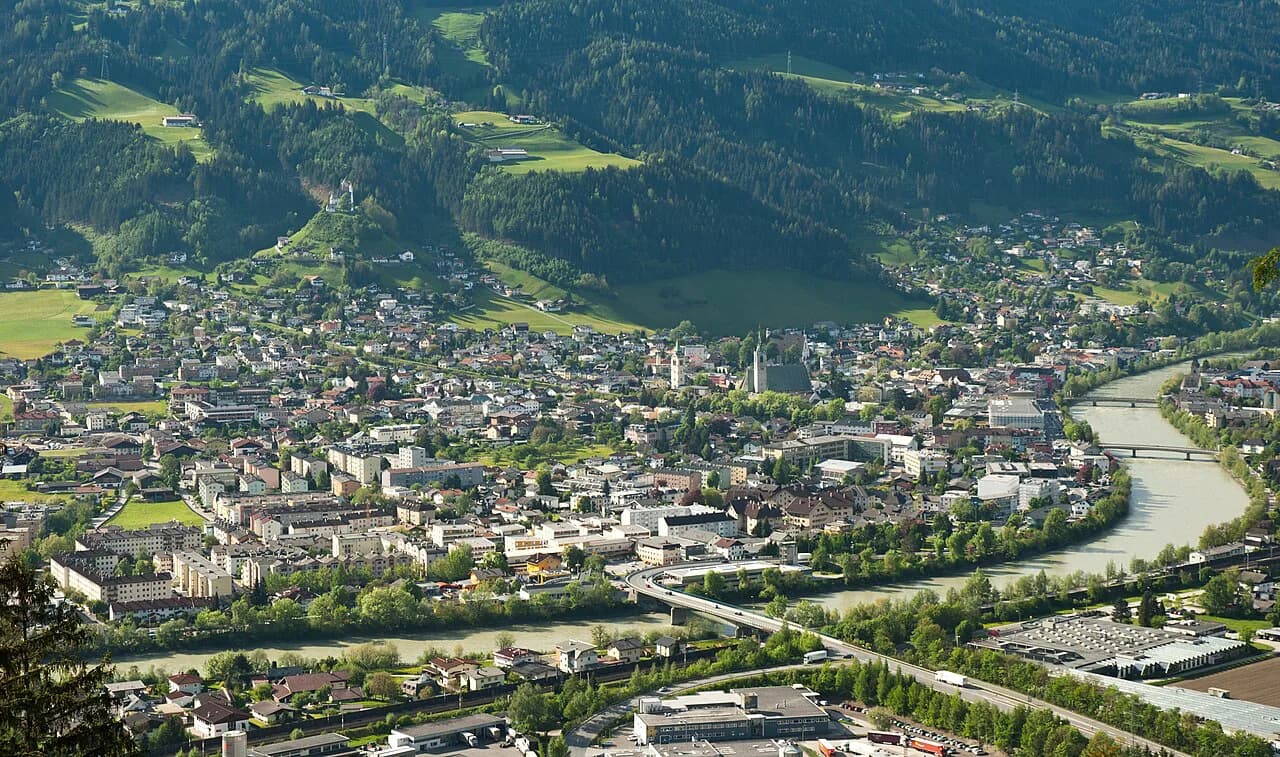
Kufstein Fortress is a natural stop on a route through the Tyrol, since the town sits on the Inn valley corridor. The fortress is close enough to the center that a few hours off the road is enough to see the highlights. That makes it a low-friction addition to a longer driving or rail itinerary.
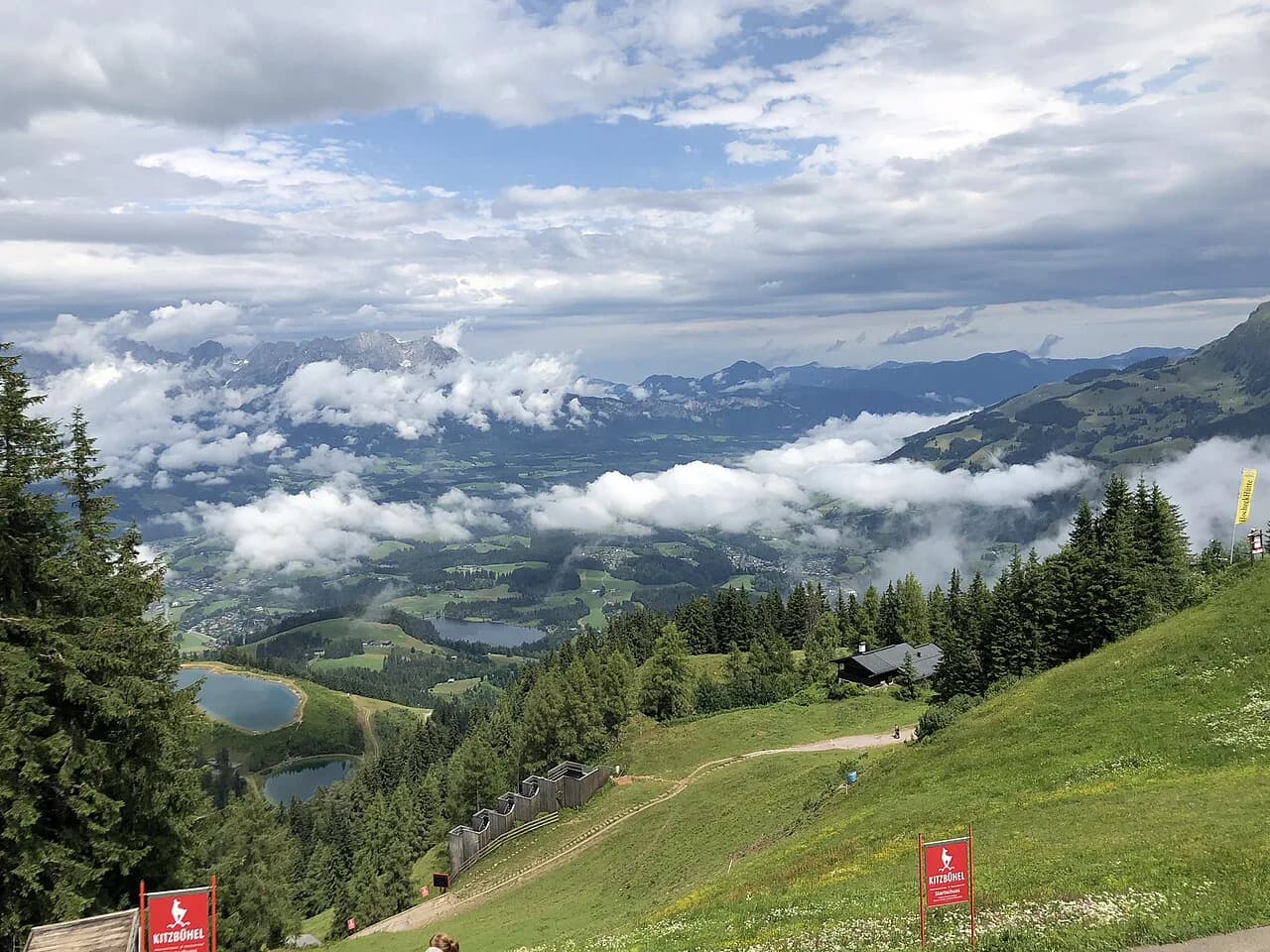
For a fuller Tyrol day, pair the fortress with Rattenberg, which is a short drive down the valley and has its own medieval center and the Kisslinger Kristallglas workshops. Other options in the region include Schwaz, a silver-mining town worth a half day, or Kitzbühel in summer for the alpine side of the Tyrol. The fortress is the strongest single sight, and the others work as add-ons.
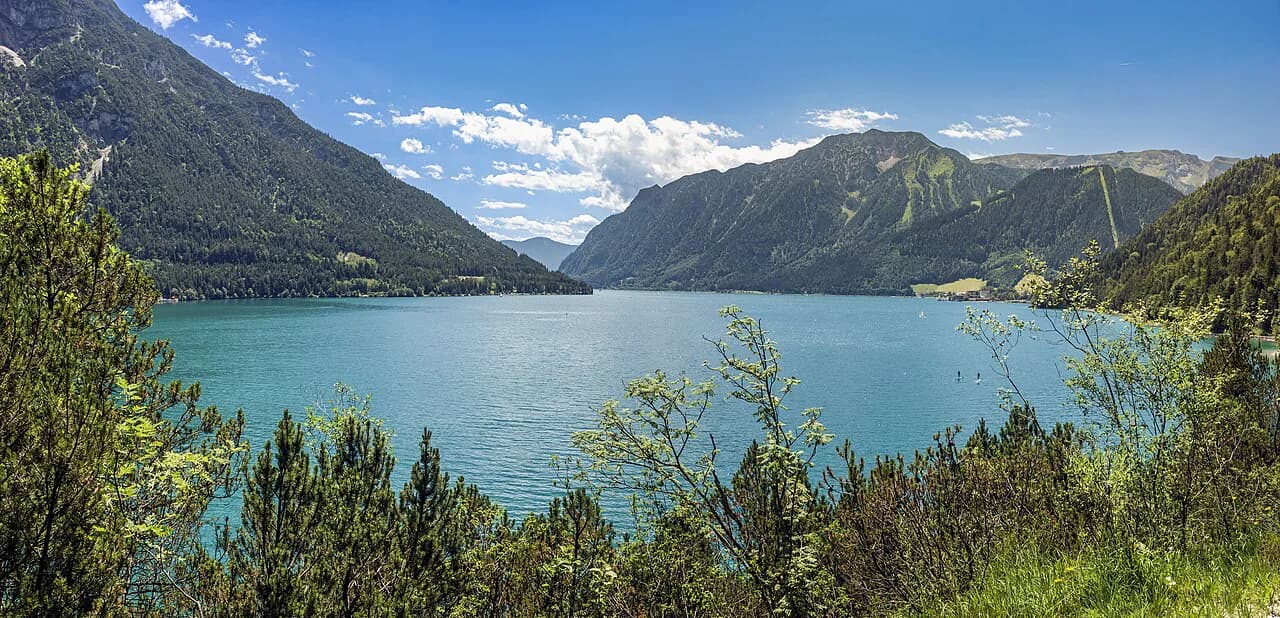
If you are heading toward the lakes, Achensee, Tyrol is within reach for a scenic detour, and the area's Tyrolean stone oil is a local curiosity. For most travelers, though, Kufstein Fortress is the main event in this stretch of the Inn valley, and the rest of the region is best treated as a set of short, optional stops.
Should you build your Tyrol day around the fortress?
Yes, if you want one sight that combines fortifications, a deep well and museums in a single stop. The fortress rewards two to three hours, and its position above the old town makes it easy to reach on foot. Plan around the latest admission times, and use the Alpbachtal Card discount only if you already hold the card.
If your itinerary is tight, see the outdoor round tour and the museums first and leave the special exhibitions for a return visit. Either way, the fortress is the reason Kufstein earns a place on a Tyrol route rather than being passed on the highway.
Sources
Notes for your next Austrian town break
Optional updates when we add or revise town guides.
You might also like
Continue reading
More guides you'll find useful