
Wildpark Feldkirch: A Free Wildlife Park on the Ardetzenberg

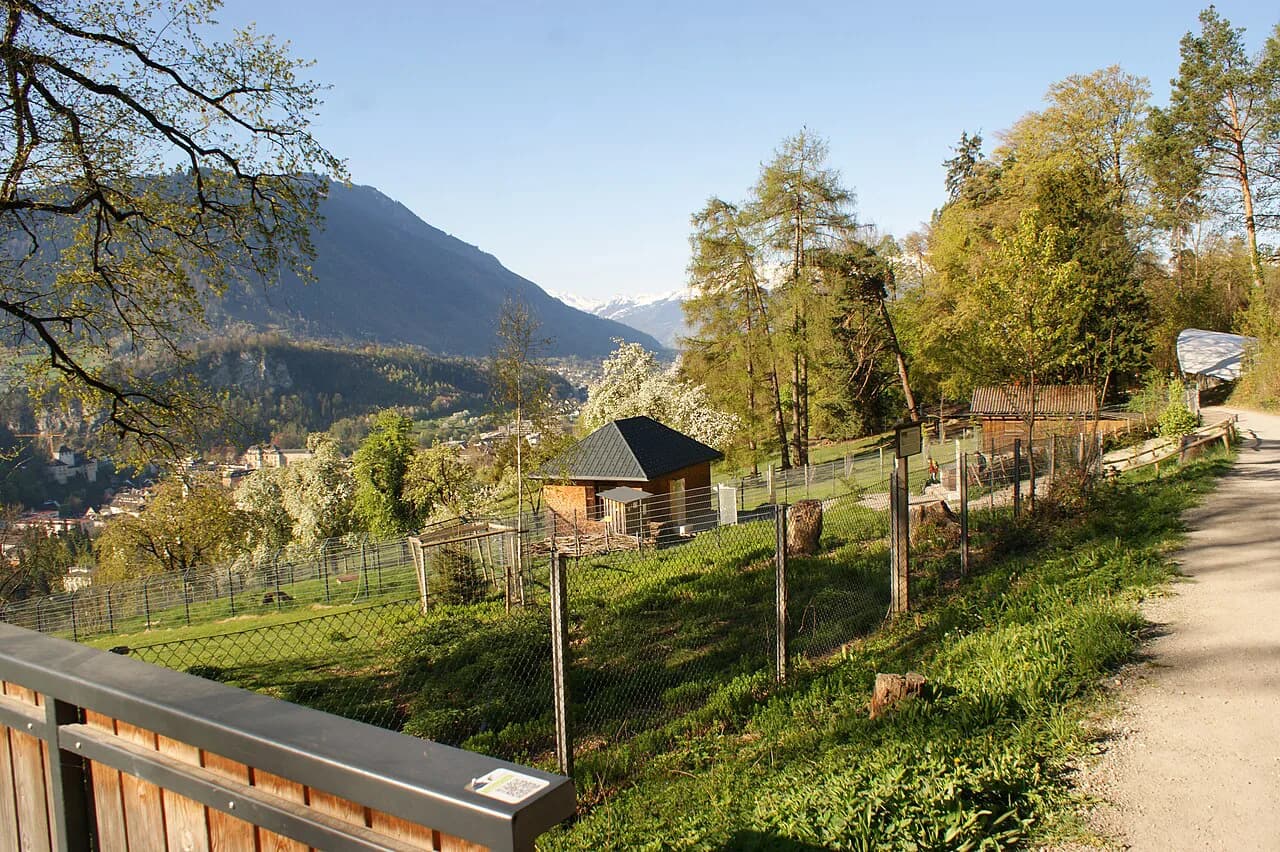
Wildpark Feldkirch costs nothing and opens every day of the year, which makes it the easiest add-on to a day in Feldkirch. The park sits on the Ardetzenberg hill above town and holds more than 160 animals from 26 species, from ibex and red deer to raccoons and marmots. This guide covers where it is, how to get up the hill, what to see along the forest paths, and which guided tours are worth booking.
The park is run by a nonprofit association that finances it entirely through donations and subsidies, so there is no ticket counter and no admission to weigh against your schedule. It has welcomed visitors since 1963, when it opened with the ibex Felix as its first resident. Budget a couple of hours for the enclosures and the playground, or half a day if you plan to grill.
Where the park sits and how to reach it
The Wildpark occupies woodland on the Ardetzenberg, the hill that rises directly above Feldkirch's old town. The climb is short but steady, and the shaded path is the reason the park works on a hot afternoon. You can arrive on foot, by bike or by car; the park describes all three approaches as straightforward, and the walk from the center doubles as a small workout.
Drivers pay for parking at the hill, and those fees go to the lot operator rather than the park. If you want to support the animals, leave a donation at the entrance instead, since entry itself is free and the association relies on gifts to feed and house the collection. Coming by bus or on foot avoids the fee entirely and puts you at the top of the old town afterwards.
Once you are back down the hill, the old town rewards a slow loop past the Katzenturm and the lanes around it. Pairing the wildlife park with a walk through the center gives you a full half day in Feldkirch without a car.

What you see along the forest paths
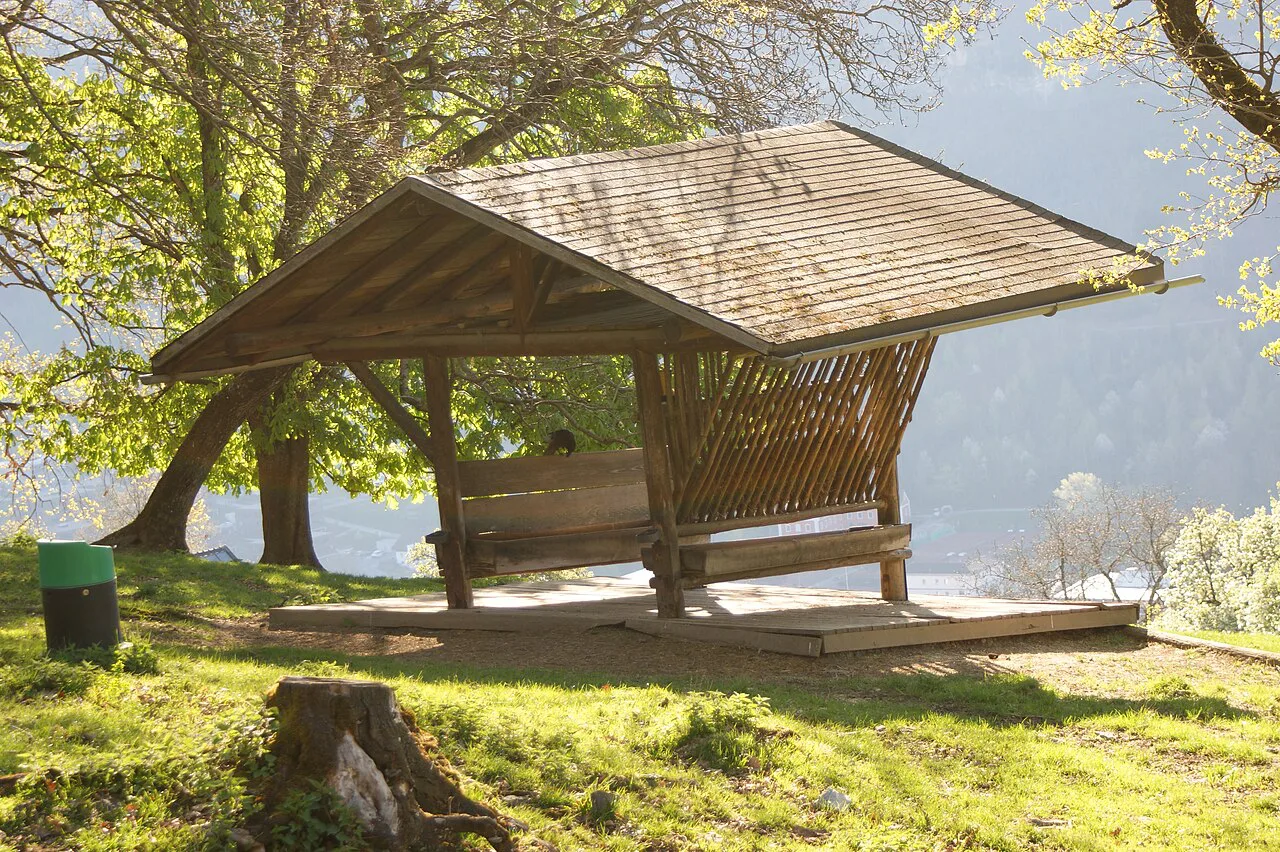
The collection is deliberately local: ibex, red deer, raccoons, marmots and dwarf mice are named among the species, all in enclosures set into the trees. Shady gravel paths link them in a loose loop, with benches for watching rather than rushing. The park's founding idea was to show native wildlife to school classes, and that educational bent still shapes the layout.
The Fuchshaus PETER KAISER, named for the Liechtenstein educator and politician, is the most interactive stop. It houses the red foxes and adds touch stations where visitors feel different animal pelts, press paw prints into sand and compare tree barks, plus a small enclosure for dwarf mice. Children tend to linger here, so place it early or late rather than mid-loop.
The ibex has a story worth knowing before you reach the enclosure. The Alps' ibex had been reduced to a remnant population in Italy's Gran Paradiso national park, and after captive breeding at the Wildpark Peter und Paul in St. Gallen, reintroductions began from 1920. Vorarlberg's own release project started in 1958; one billy, Felix, was caught in 1962 after roaming widely, and his story inspired the Feldkirch park founded in 1963.

The forest playground and the Hofladen
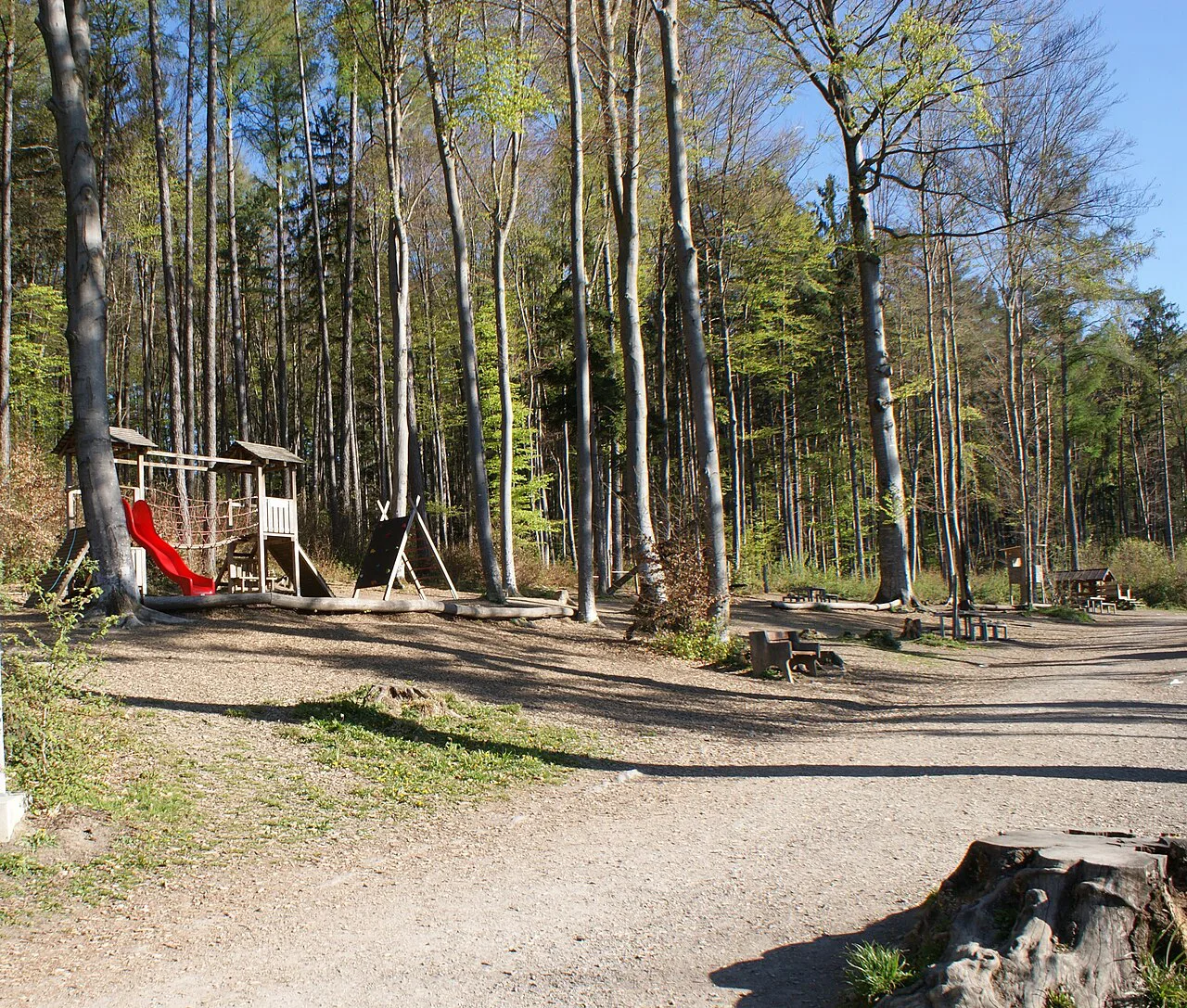
A large playground sits in the middle of the woods, with swings, a climbing frame and a wooden train for pretend journeys. On hot summer days the tree cover keeps it bearable while the open town below bakes. The Hofladen next door sells cool drinks and small gifts, so you do not need to carry a full water bottle up the hill.
Eating on site: grill area and kiosk
Near the red deer enclosure there is a grill area where visitors may barbecue until 19:00, with the animals in view. Bring your own supplies if you plan to use it, and remember the park closes the grills at that hour regardless of the season. The setting suits a long family lunch more than a quick snack.
Anyone who would rather not grill can use the on-site kiosk, which has served regional food since 2003 and employs staff with and without disabilities. It is the simpler option for a solo traveler or a couple, and it keeps the visit to a couple of hours.
Guided tours and what they cost
The park sells guided experiences rather than individual tickets, which suits groups and families better than solo visitors. The small animal tour runs one hour and costs 90 euros per group, while the large version runs 90 minutes at 110 euros per group; both cap at 21 people and split larger parties. These are flat group rates, so a full group pays far less per head than a couple booking alone. Forest tours led by certified forest and hunting educators run two and a half to three hours and can be themed around sensory play, forest habitat or forest functions. Schools pay 3.50 euros per child, while private groups pay 300 euros, and some kindergarten, school and special-needs groups qualify for funding through a form issued after you make contact. Book through the park's inquiry form and expect a follow-up to settle details.
Bee tours run as a seasonal program from 14 May 2026 to 23 August 2026, one hour a day between 10:00 and 16:00, for 2 euros per person with a maximum of ten participants aged eight and up. The session includes a look inside a display hive and a tasting of honey, pollen and propolis. Those dates are the published 2026 window.
Children's birthdays get a two-hour guided program with riddles or a quiz for 150 euros, and the park answers inquiries through the same form.
How long to stay and when to go
Allow about two hours for the enclosures, the Fuchshaus and a playground stop, and three hours if you grill or join a tour. Mornings are quieter and the animals are often more active before the midday heat, while weekend afternoons bring local families. The park stays open year-round, though the wooded paths are the main draw in summer and the animals remain the reason to come in cooler months.
Nearby: the old town below the hill
The walk down from the Ardetzenberg drops you into Feldkirch's Altstadt, where the cathedral and the lanes around it fill an hour or two. Schattenburg Castle, a short climb on the other side of the center, adds a museum and a view over the roofs. Together with the wildlife park, these make a full day without leaving town.
Is the wildlife park worth the climb?
Yes, if you have children, want a free couple of hours in the trees, or need a shaded alternative to the old town on a hot day. Skip it if your time in Feldkirch is down to a single afternoon and you would rather spend it on Schattenburg Castle and the cathedral. Entry is free, and donations at the entrance are the most direct way to support the animals.
Explore more Feldkirch guides
Frequently Asked Questions
Is Wildpark Feldkirch free?
Yes. Entry costs nothing, and the park is open every day of the year. It is funded by donations and public subsidies, so a donation at the entrance is the most direct way to support the animals. Parking on the hill is charged separately and does not benefit the park.
Can you grill at Wildpark Feldkirch?
Yes. There is a grill area near the red deer enclosure, and visitors may barbecue there until 19:00. Bring your own food and supplies; the on-site kiosk is the alternative for anyone who does not want to grill.
Are dogs allowed at Wildpark Feldkirch?
The park's website includes a park rules page, which is the place to check the policy on dogs before you set out. Rules in a wildlife park are often strict, so plan accordingly if you travel with a pet.
How do you get to Wildpark Feldkirch?
The park sits on the Ardetzenberg above Feldkirch's old town and can be reached on foot, by bike or by car. Walking from the center is the simplest option and avoids parking fees. Drivers pay for a spot on the hill, and those fees go to the lot operator rather than the animals.