
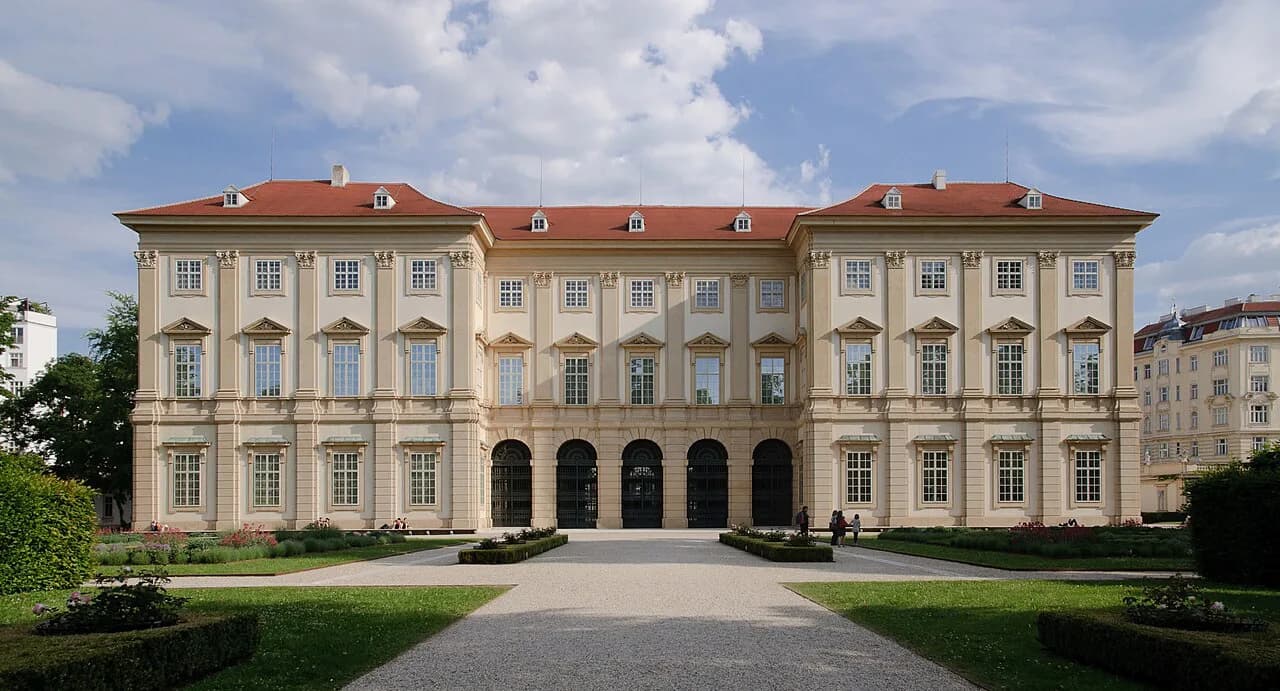
Palais Liechtenstein in Feldkirch: What to See at Schlossergasse 8

Palais Liechtenstein is not a furnished palace museum, so treat it as a short stop on an old-town walk rather than a headline sight. The building at Schlossergasse 8 works as a cultural venue and reflection space, and the same address also holds Feldkirch's tourist information desk. This guide covers where the palace stands, how to reach it from the station, what to expect inside, and which nearby sights pair well with it.
Where Palais Liechtenstein is in Feldkirch's old town
The palace stands at Schlossergasse 8 in Feldkirch, the main town of the Vorarlberg region in Austria's far west. That address places it inside the compact pedestrian old town, a short walk from the lanes that connect the town's historic squares. Because the old town is small, the palace is easy to slot in between other stops rather than treating it as a separate excursion.
Schlossergasse takes its name from the locksmiths once working here, and it runs through the core of the old town close to the cathedral quarter. Use the street name, not the palace name alone, when navigating on foot, since signage in the pedestrian lanes is geared to street addresses. The palace is a townhouse-scale building, so watch for the house number rather than expecting a grand forecourt.
For orientation, Feldkirch's old town clusters tightly around the pedestrian core, with the main station a short walk away across the town center. The walk between the two crosses into the pedestrian zone and takes only a few minutes at a normal pace. Once inside the zone, the palace appears among ordinary shops and cafes rather than at the end of a park or avenue.
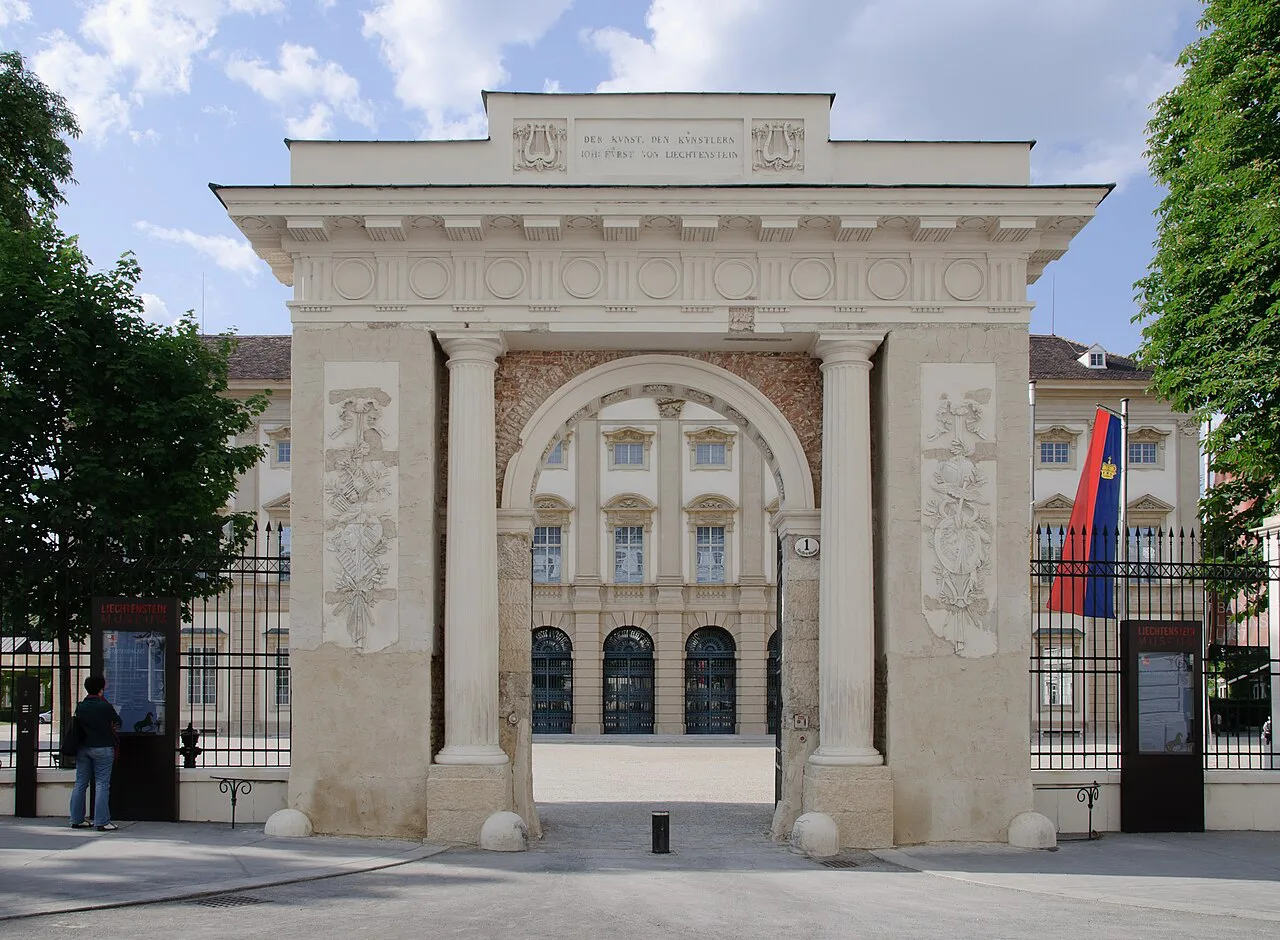

What the palace is today
Palais Liechtenstein functions as a cultural venue tied to an annual theme addressing social and cultural challenges, with exhibitions and projects rather than period rooms. The city frames its programs under the idea of heritage and vision, using the building as a place of reflection rather than a display of furniture or collections.
That means your expectations should match a contemporary program venue: you come for whatever exhibition or project is running, not for a fixed set of historic interiors. If exhibitions are the reason for your stop, confirm what is on before you go, since programs change with each annual theme.
The building itself has baroque origins and was renovated in the 2010s; the city records a renovation costing about 1.56 million euros in 2018, which is history rather than a current figure. Read it as a sign that the palace is maintained as a working public building. Architecture-minded visitors get a modest, well-kept town palace rather than a monumental residence.

The Schlossergasse 8 address and nearby old-town landmarks
From Schlossergasse 8 you are within a few minutes of the cluster of landmarks that define the old town: the cathedral, the lanes leading toward the water tower, and the path up toward the castle hill. The Katzenturm, a stout round tower, anchors the northern edge of the pedestrian zone and makes a useful landmark when you are finding your bearings.
The Johanniterkirche, St John's Church, keeps Romanesque foundation walls and a neo-Gothic high altar but now serves as a backdrop for contemporary art installations, which makes it a natural companion stop to the palace's own cultural program. Both places reward the same kind of visit: a short look rather than a long museum session.
Above the town, Schattenburg Castle holds the local history collections assembled by the museum association, so it complements the palace if you want the region's past in objects rather than in temporary projects. Allow more time there than at the palace, since the castle is a full museum stop with a climb to reach it.
How to reach it on foot from Feldkirch's station and bus stops
Feldkirch's main station sits east of the old town, and the old town is reached on foot by crossing into the pedestrian zone. Buses serving the town center stop along the edge of the old town, which shortens the walk if you are arriving from outside the center. Either way, Schlossergasse 8 is a level, signposted walk once you are in the pedestrian lanes.
Check current train and bus times with ÖBB and the Vorarlberg regional transport operators before setting out, since service patterns vary by season and day of the week. If you are driving, leave the car at a signed parking area outside the pedestrian zone and walk in. Feldkirch also runs a local city bus network, which helps if your accommodation sits outside the center.
Opening hours for the tourist information point in the building
The tourist information desk at Palais Liechtenstein, Schlossergasse 8, opens Monday to Friday from 9 am to 5 pm and Saturday from 9 am to 12 pm, and stays closed on Sundays and public holidays. These are the hours published for the information point itself, so use them when you want maps, brochures or staff advice on the old town.
Those counter hours do not automatically apply to exhibitions or events in the palace, so check the current program separately if a specific project is your reason for visiting. The palace is not run as a ticketed house museum, so confirm exhibition access and any program details at the desk or through the city's event listings when you arrive. A short stop at the building and desk costs nothing beyond your time if you are simply passing through the lanes.
If you arrive on a Sunday, plan the palace exterior and the surrounding streets instead, since the information desk is shut. Weekday mornings are the most practical window if you want to combine a desk visit with a look at the building's cultural spaces.
Nearby sights to pair with a stop at the palace
The Montforthaus, Feldkirch's modern event hall, sits close to the old town and gives a contrast to the baroque lanes around Schlossergasse. The Pulverturm, a former powder tower, now hosts creative work and exhibitions, so it fits a circuit of small cultural venues within the pedestrian zone. Together with the palace, these give you a compact half-day of town architecture and art spaces.
West of the center, the Kapuzinerkloster and its church add a quieter monastic stop, and the chapel there is associated with St Fidelis von Sigmaringen. It is a short walk from the old town and works well as the last stop on a loop back toward the river.
If you are traveling with children or want open space after the dense lanes, Wildpark Feldkirch lies outside the center and is reached by bus or car rather than on foot from Schlossergasse. Treat the wildlife park as a separate outing on another part of your day rather than a stop on the palace walk.
How much time to allow and how it fits a walk through the old town
Budget roughly 15 to 30 minutes for the palace and the information desk, then let the old town fill the rest of a two-hour loop. A sensible order is to start at the station, cross into the pedestrian zone, take in Schlossergasse and the cathedral, climb to Schattenburg Castle, and come back down past the towers. That route keeps the palace as a natural pause rather than a detour.
Because the palace is a program venue, its pull varies with what is showing; on a quiet week it is a five-minute look at the facade and entrance, while an active exhibition can hold you longer. Build flexibility into the walk rather than scheduling the palace as a fixed timed stop. The same applies to the Johanniterkirche's art installations, which change.
Should you build the palace into your Feldkirch walk?
Yes, if you are already walking the old town and want a quick cultural stop with a useful information desk attached; no, if you are expecting a furnished palace museum with rooms to tour. The building rewards a short visit inside a wider loop that includes the cathedral, the towers and the climb to Schattenburg Castle.
Explore more Feldkirch guides
Frequently Asked Questions
Is Palais Liechtenstein free to enter?
The palace is not run as a ticketed house museum, and the tourist information desk inside is a free information point with published weekday and Saturday morning hours. For any specific exhibition or event, confirm access and program details at the desk or through the city's current event listings.
Does Palais Liechtenstein have exhibitions in 2026?
The palace hosts cultural projects tied to an annual theme addressing social and cultural challenges. Confirm the current program through the city's event listings or at the information desk before you plan around a specific exhibition.
Where is Liechtenstein Palace?
It stands at Schlossergasse 8 in Feldkirch's pedestrian old town in Vorarlberg, a few minutes on foot from the cathedral and the lanes running toward the Ill river.