
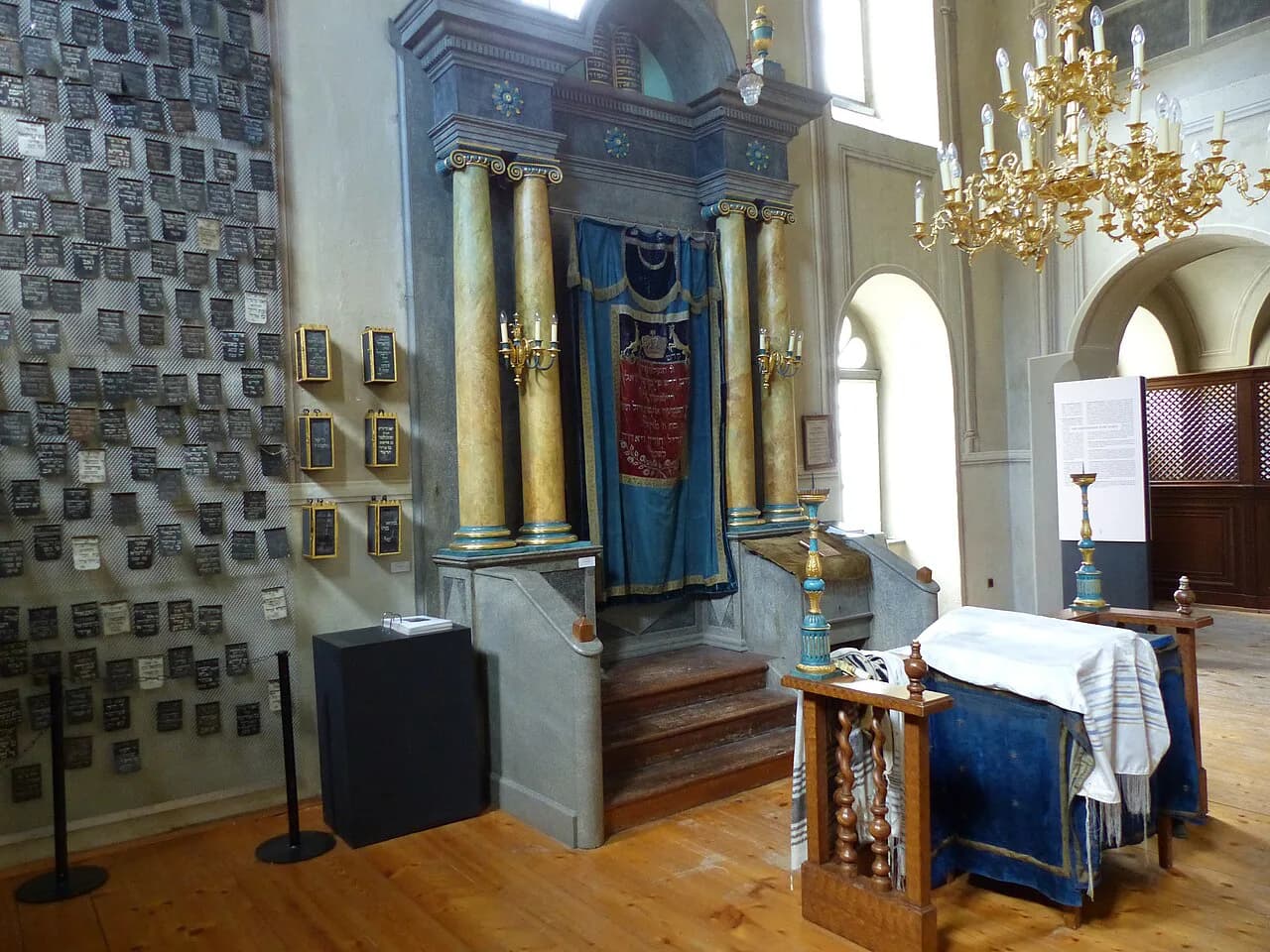
Jewish Museum Eisenstadt: What to See at the Austrian Jewish Museum

The Jewish Museum Eisenstadt and the Österreichisches Jüdisches Museum are the same institution: the Austrian Jewish Museum, listed at Bergstraße 6 in Eisenstadt, the capital of Burgenland. It is a small, focused museum, and the visit is best treated as one deliberate stop rather than part of a regional culture sweep. This guide covers where it sits, how to walk there from the center, how much time to allow and which nearby sights fit the same morning.
Treat it as a single, focused place rather than part of a regional culture sweep. It pairs naturally with the Esterházy Palace Eisenstadt block a short walk away, and for wider context the city's Esterházy Palace Eisenstadt and church sights sit in the same compact old town.
What the Jewish Museum Eisenstadt is and where it sits
The museum's listed address is Bergstraße 6, 7000 Eisenstadt, in the old town below the palace hill. That setting matters: the street and its neighbors are part of the experience, so give yourself time outside the display rooms as well as inside them.
Eisenstadt itself is a small, walkable capital, and Bergstraße sits within a few minutes of the main squares. If you are planning the day around the town's sights, the broader Eisenstadt Attractions: 11 Visitor Guides collection shows how the museum fits alongside the palace, the churches and the Haydn sites.

Address and how to reach the museum on foot from Eisenstadt's center
From Esterházyplatz and the palace forecourt, head into the older lanes toward Bergstraße; the town center is compact enough to cover on foot, and the walk passes the low, gabled houses that line the old town. Treat the distances as a short stroll rather than a fixed timetable.
If you arrive by train at Eisenstadt station, expect to continue into the center on foot or by local bus before walking to Bergstraße. Signage in the quarter is modest and the entrance sits flush with the street rather than behind a grand gateway, so note the number.

The Wertheimer house and the private synagogue inside
The exhibits are the reason to come, and the rooms are small enough that a slow pass makes more sense than a checklist. Approach the museum as a place of remembrance and heritage, quietly and without flash photography, and read the labels in full, because the objects carry most of the meaning.
Burgenland's official tourism pages describe the region's cultural landscape as one shaped by princely courts and noble patronage, and Eisenstadt's palaces and gardens are part of that same story. The museum's interest lies in the parallel, less visible history of the Jewish community that lived alongside those courts.
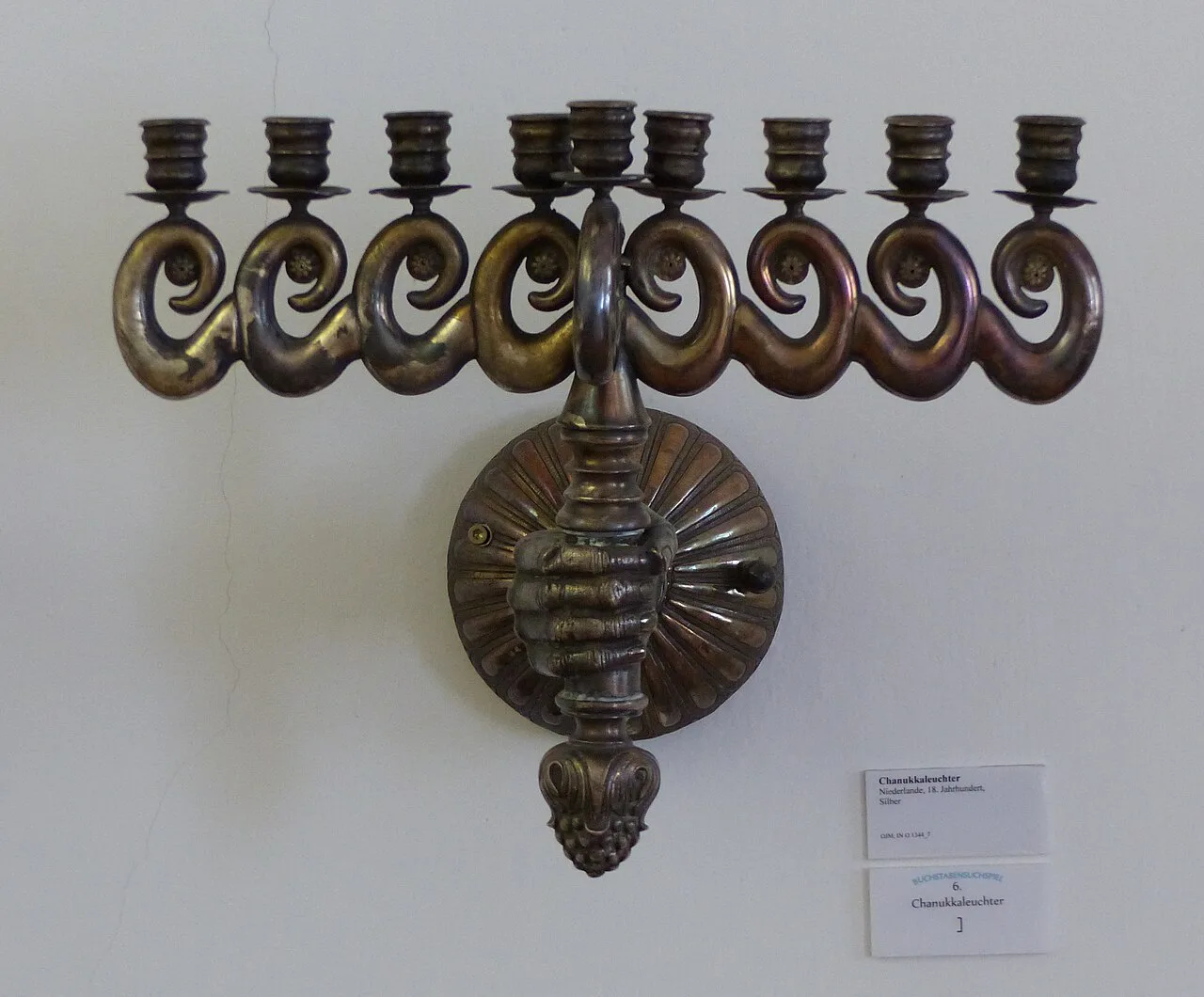
What the exhibits cover: Jewish life in Burgenland and the Wertheimer family
Expect a compact presentation, with documents, objects and family material rather than blockbuster staging; the rooms are small and the pace is slow. Confirm current exhibition titles and any temporary displays directly with the museum before you plan around a specific theme.
Confirm current exhibition titles and any temporary displays directly with the museum before you plan around a specific theme. The same applies to any Holocaust-era material: read it as the museum presents it, soberly and without embellishment, and give yourself room afterward rather than rushing to the next sight.
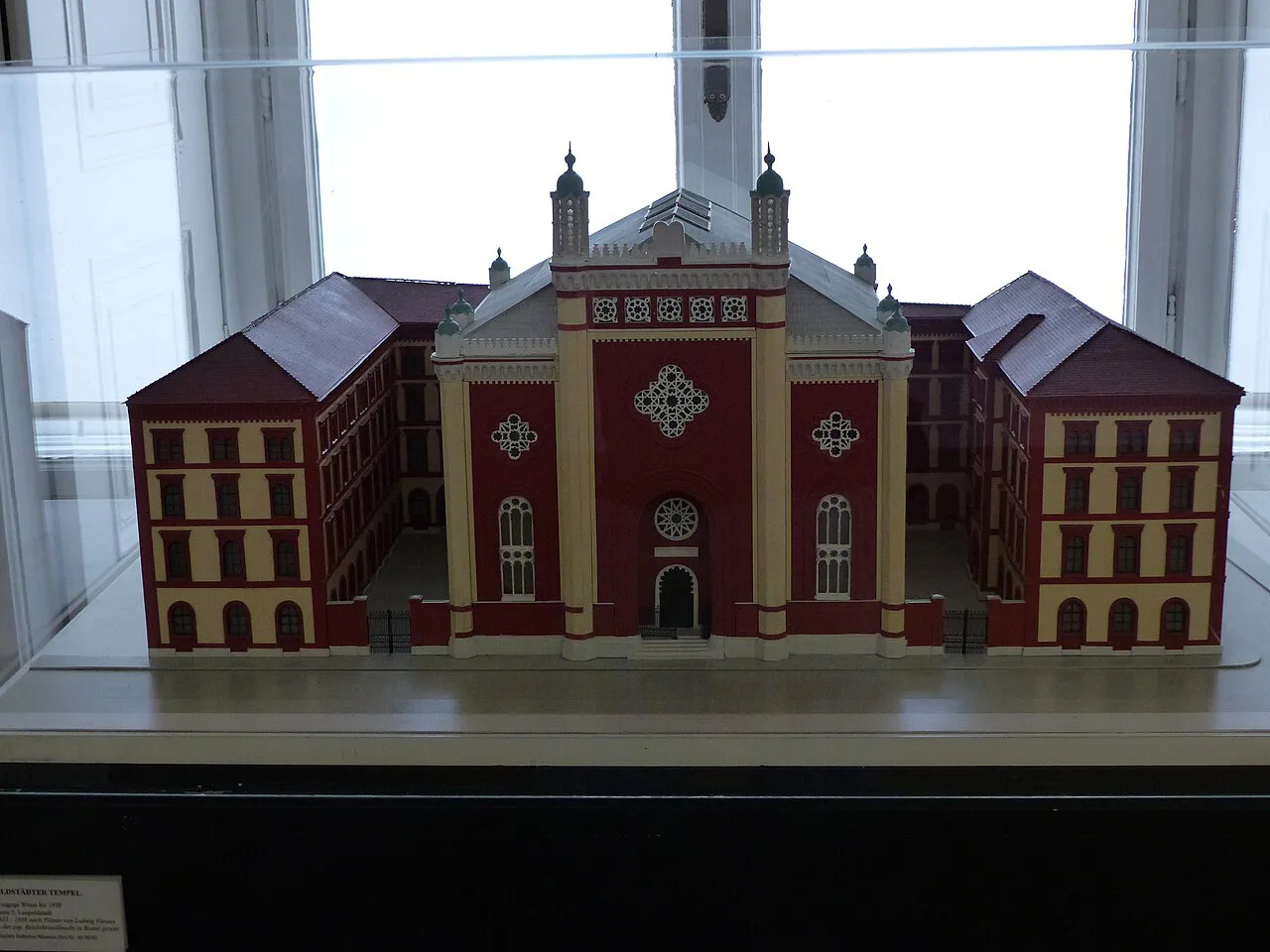
Bergstraße 6 and the old Jewish quarter around the museum
Bergstraße 6 is not an isolated address; it sits inside the old town lanes below the palace, close to the squares and churches that make up Eisenstadt's historic center. Walk the lane before or after the museum and look at the building fronts rather than only the museum door, so that the interior displays are read against the street outside.
Elsewhere in Eisenstadt, the same princely legacy appears in the region's palaces and their gardens, which the Burgenland tourism authority lists among Northern Burgenland's most important cultural landmarks. The contrast between those grand residences and the modest lanes around Bergstraße is the point worth carrying away.
Time to allow for the museum and the quarter
Plan on roughly one hour inside the museum and another thirty to forty-five minutes for the surrounding lanes, which keeps the visit focused without rushing. If you read every label and sit with any Holocaust-related material, add time; if you are pressed, prioritize the core displays over the surrounding streets.
Pair it with a separate block for the palace rather than trying to compress both into a single hour. The palace's own program of exhibitions and guided tours is substantial, and treating the two as distinct visits keeps each one legible.
Tickets and opening times: confirm before you go
Opening days, ticket prices and any tour times are set by the museum, so check before the week you plan to visit. Confirm both admission and whether a guided tour is running on your date.
Eisenstadt's palace, by contrast, publishes its own seasonal opening pattern, with guided tours in English at set times through the year and different schedules by month. Reading that page shows how much advance planning a princely sight demands.
Nearby: Esterházy Palace and Eisenstadt's historic center
Esterházy Palace is the obvious next stop, a few minutes uphill from Bergstraße, and its exhibitions on the princely collections and on Joseph Haydn fill an afternoon. For the 2026 season the listed admission is 19 euros per person without a Burgenland Card, with a supplement for joining a fixed guided tour, and the card gives free entry during its validity period.
Haydn's footprint extends beyond the palace to the Bergkirche Eisenstadt, where his mausoleum draws visitors, and the two together make a natural second half of the day after the Jewish museum. The town's other churches and squares close out a compact circuit without any transport.
Practical notes for a sober visit to Jewish heritage sites in Burgenland
Dress and behave as you would in any house of prayer, keep voices low, and ask before photographing. These are heritage sites for the families and communities connected to them, not backdrops, and the museum's small scale makes that expectation easy to meet.
If you want to extend the theme, Vienna has its own Jewish Museum, a separate institution several train stops away, so it is an addition on another day rather than part of an Eisenstadt walk. Keep the two visits distinct so neither gets shortchanged.
Fitting the Jewish museum into an Eisenstadt day
Yes, if you want Eisenstadt to be more than a palace stop. The museum takes about an hour, sits on a walkable lane below the palace, and gives the princely sights uphill their necessary counterweight. Build the day around Bergstraße first, then the palace and the Haydn sites.
Skip it only if your schedule is genuinely tight, in which case the palace and the Bergkirche will absorb your hours. Otherwise, check the museum's hours and admission for your date, walk the surrounding lanes slowly, and let the small rooms do their work.
Explore more Eisenstadt guides
Frequently Asked Questions
Is the Jewish Museum Eisenstadt the same as the Austrian Jewish Museum?
Yes. The Österreichisches Jüdisches Museum is the Austrian Jewish Museum in Eisenstadt, listed at Bergstraße 6, and it is the institution most travelers mean when they search for the Jewish Museum Eisenstadt. Confirm the details of your visit directly with the museum before you travel.
How much time should I allow for the museum?
Allow about an hour inside for the displays, plus half an hour or more for the surrounding lanes of the old town. Reading any Holocaust-related material carefully adds time.
Do I need to book ahead?
Check the museum's own listing for the week you plan to visit, since opening days and any guided tour times are set by the institution. Nearby, the palace publishes a seasonal pattern with English tours at fixed times.