
Diözesanmuseum Eisenstadt: What to See at the Diocesan Museum

The Diözesanmuseum Eisenstadt is a small diocesan museum of church art and church history belonging to the Diocese of Eisenstadt (Diözese Eisenstadt), and it now sits within the Bergkirche complex on the Oberberg, the hill above the old town center. It is not a full-day museum: treat it as an hour of looking, folded into a visit to the Bergkirche and the Haydnmausoleum, and confirm current opening arrangements with the diocese before you build a day around it. This guide covers where the museum is, how to walk up from the center, what kind of collection to expect, and what else is on the same hill.
What the Diözesanmuseum Eisenstadt is and where it sits on the Oberberg
Eisenstadt is the capital of Burgenland and the seat of the Diocese of Eisenstadt (Diözese Eisenstadt), and the diocesan museum is the place where that diocese presents its ecclesiastical art and history. The city's own tourism pages list the Diözesanmuseum alongside the Bergkirche, the Haydnmausoleum and the Österreichisches Jüdisches Museum, so it is a genuine piece of the town's museum landscape rather than a single display case. It is one entry among many small museums in Eisenstadt, and the city describes that landscape as a set of smaller institutions with partly changing exhibitions rather than one large central museum.
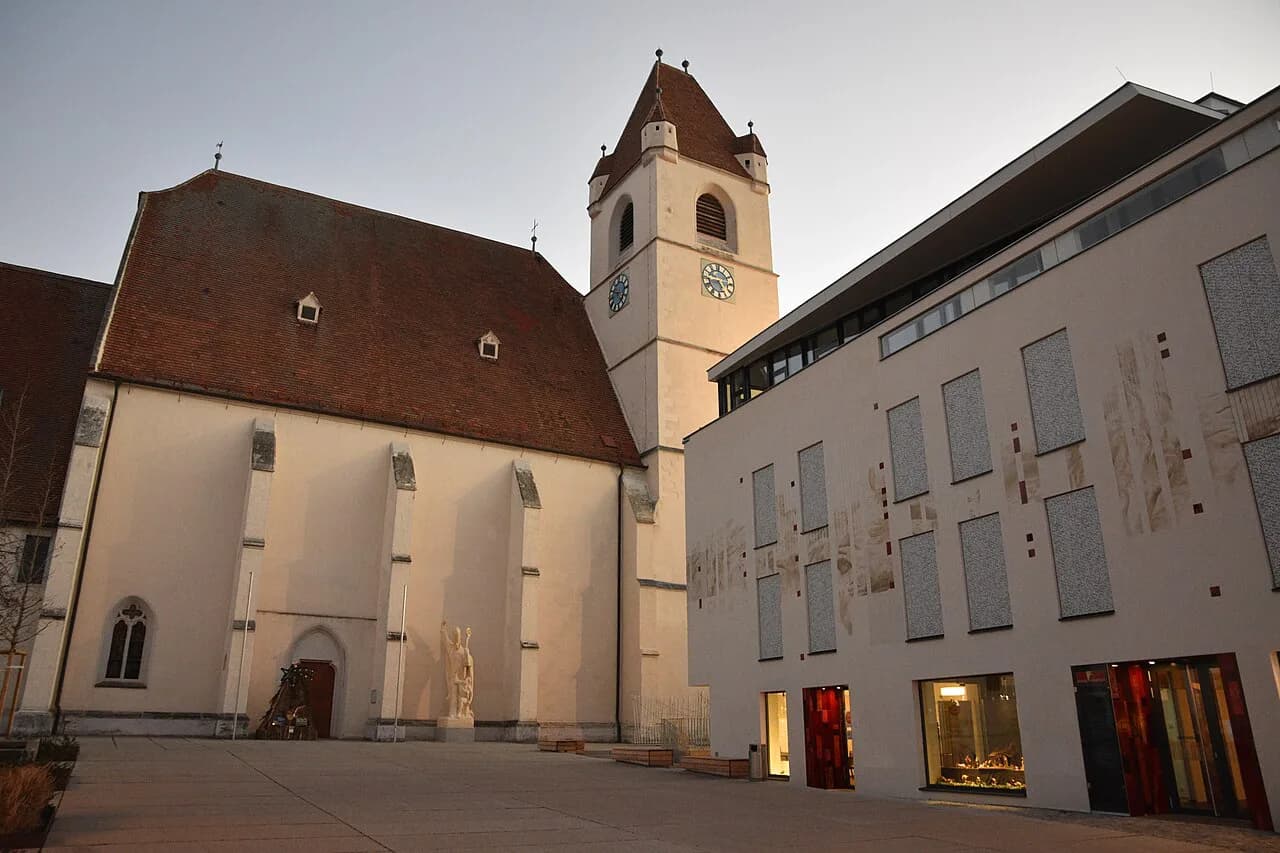
The museum's relocation to the Bergkirche on the Oberberg is the key fact for planning, because it puts the collection inside the same walled complex as the hill's pilgrimage church. The Diocese of Eisenstadt framed the move as a way to raise the cultural profile of the Oberberg and to create a new museum and cultural center there, with a special exhibition on Saint Martin, the province's patron saint, as the opening program. That means the visit is now bound up with the church building and the hill rather than with a separate address in the flat center.

Getting there from Eisenstadt's center on foot
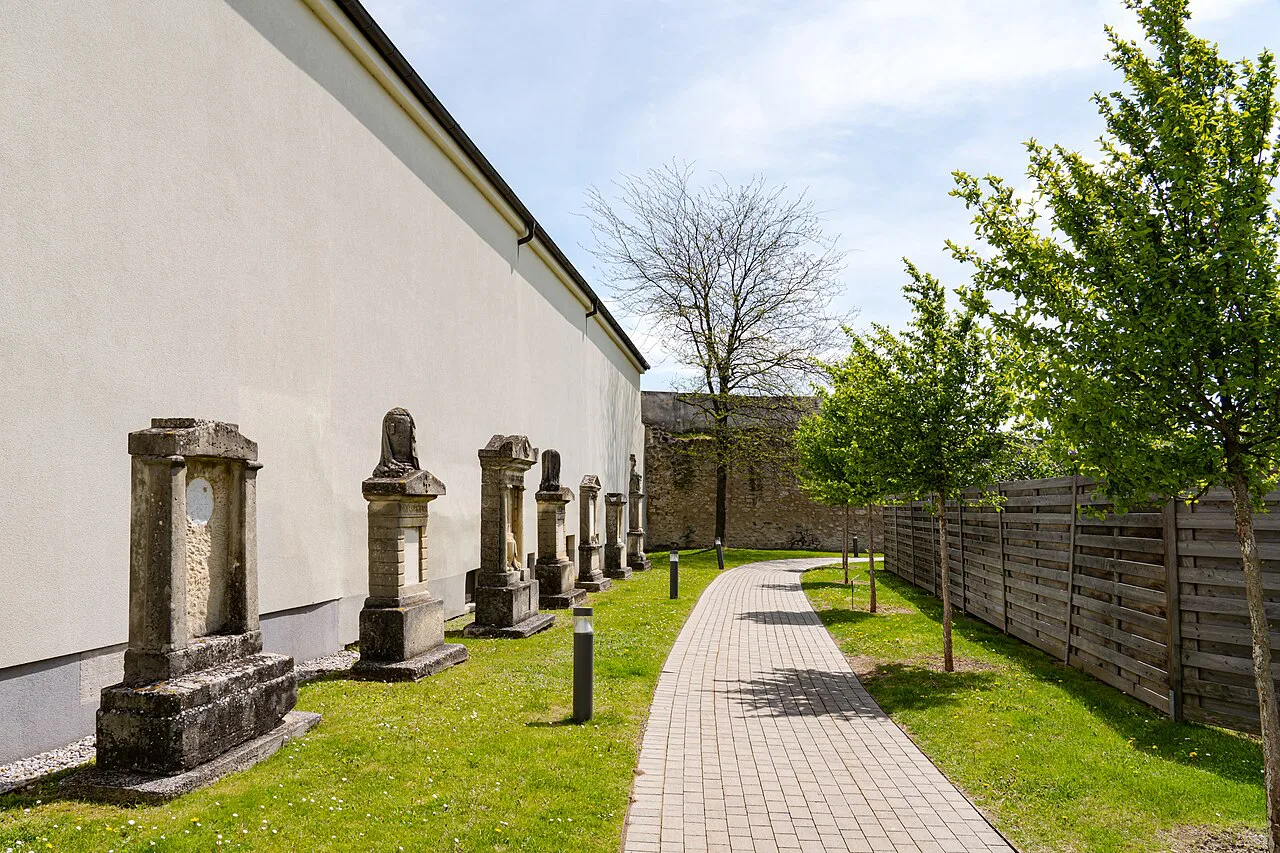
The Oberberg rises directly above the historic core, so the practical approach is on foot from the Hauptstraße and the pedestrian lanes around the Rathaus. Allow a steady uphill walk of roughly ten to fifteen minutes from the center, and expect cobbled or stepped sections on the climb rather than a flat promenade; comfortable shoes matter more than distance here. Because the museum is inside the Bergkirche complex, aim for the church's own entrances and signs rather than a separate museum door.
Drivers coming off the A3 or from Vienna and Wiener Neustadt should park in the center and walk up, since the hill lanes are narrow and residential. Eisenstadt is compact enough that the Bergkirche, the Kalvarienberg and the Österreichisches Jüdisches Museum on the Unterberg can be linked in one loop without a car. Check the city's own pages and the diocese's site for the opening days before you commit to the climb, because a closed church door at the top wastes the effort.
What to see: the diocesan art and church-history collection
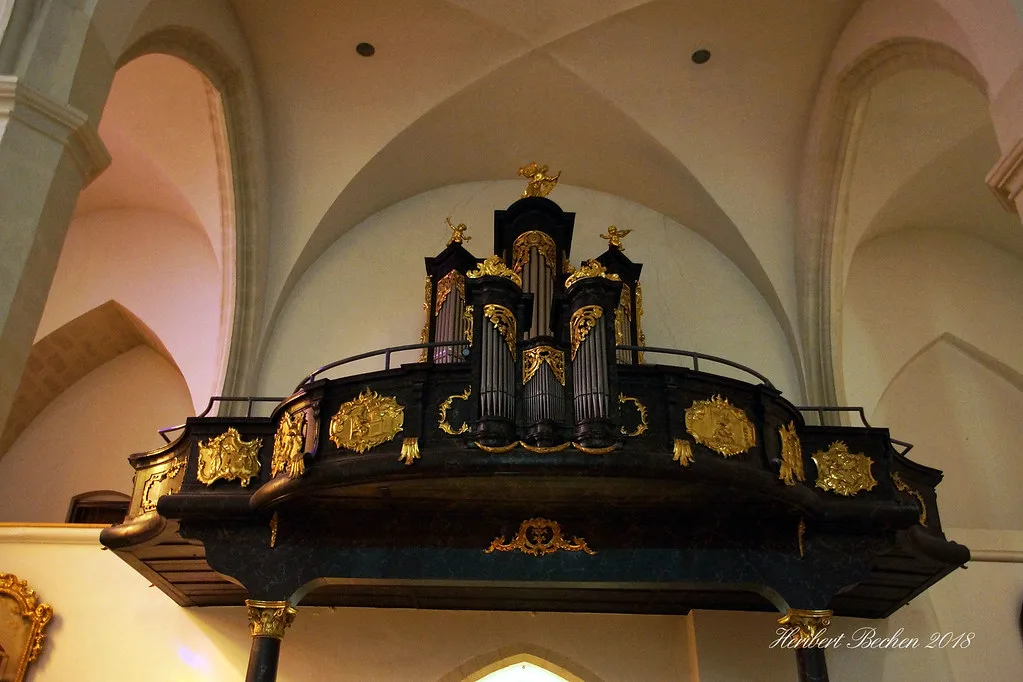
Expect a church collection rather than a national gallery: liturgical objects, paintings and sculpture tied to the diocese and to Burgenland's Catholic parishes, displayed in a compact sequence. The special exhibition on Saint Martin, the province's patron, marks the museum's opening phase at the Bergkirche, and it sets the tone for a visit built around one theme rather than a survey of European art. Give the display rooms around forty-five minutes if you read the labels, and less if you are mainly looking.
The building itself is part of the exhibit. The Bergkirche is a baroque pilgrimage church with a painted ceiling, and the museum visit flows into the church interior and the Haydnmausoleum, the burial place of Joseph Haydn, which sits in the same complex. For the composer's life in town, the Haydnhaus Eisenstadt in the center is the complementary stop, and the two together give you the church and the household sides of Haydn's Eisenstadt.
The new museum and cultural center at the Bergkirche
The diocese is developing the Bergkirche site as a museum and cultural center, not just a display room, so the visit may include changing temporary shows in addition to the diocesan collection. What is on view in a given season therefore shifts, and the reliable way to plan is to look at the diocese's current program rather than assume the Martin exhibition is the permanent content. If a particular show is the reason for your stop, check it before traveling.
This is also why the museum rewards a slower visit than its size suggests: the church, the mausoleum and the exhibition are designed to be read together, and rushing between them loses the point. Budget the hill as one unit rather than three separate tickets, and leave time to stand in the church before or after the display rooms.
How long to allow for the museum and the Bergkirche together
Plan on one to one and a half hours for the museum, the Bergkirche and the Haydnmausoleum as a single stop, and add twenty minutes for the walk up and back down. That is enough for the diocesan rooms, a look at the church interior and a pause at Haydn's tomb without turning the morning into a museum marathon. If you also want the Kalvarienberg and its treasure chamber, add a further half hour, since it is a separate set of stairs and chapels on the same hill.
The main scheduling risk is not distance but access: the Bergkirche and the Kalvarienberg are working religious sites with their own opening patterns, and the museum follows the church complex rather than a standalone city-museum timetable. Build the hill into the middle of the day, keep the flatter center museums as a fallback, and leave the rest of the afternoon for the Schloss Esterházy park or the Landesmuseum Burgenland in the center.
Tickets, opening hours and tour rules: where to confirm
No admission price or fixed opening schedule for the Diözesanmuseum is published in the sources here, so treat both as things to confirm directly with the Diocese of Eisenstadt or the Bergkirche before you go, and do not plan a tight connection around an assumed opening time. The same applies to guided tours: if the museum offers one, it will run at set times tied to the church complex, and those times belong with the parish office rather than with the city's general museum listing. A short email or a look at the diocesan website settles it.
For the wider picture of what else is open in town on the day you visit, the museum directory for Eisenstadt is a useful cross-check, since it lists the diocesan museum together with the Haydn-Haus, the Landesmuseum, the Landesgalerie and Schloss Esterházy in one place. Use it to see which institutions are running special exhibitions in the same period, then verify times on each venue's own page.
Nearby: Haydnmausoleum, Kalvarienberg and the Österreichisches Jüdisches Museum
On the Oberberg itself, the Haydnmausoleum and the Kalvarienberg with its treasure chamber are the natural pairings, and both are reached on foot within the same climb. The Österreichisches Jüdisches Museum on the Unterberg, in the Wertheimer house, is a ten-minute walk downhill and makes a strong second stop for anyone following the town's religious history across two communities. Together they turn a single museum visit into a compact half-day on Eisenstadt's two hills.
Back in the center, Esterházy Palace (Schloss Esterházy) with its Haydn Hall and wine museum is the obvious counterpart to the church side of Eisenstadt, and the Landesgalerie Burgenland and Haydn-Haus Eisenstadt fill out an afternoon of smaller collections. The Dom St. Martin in Eisenstadt, the town's main parish church, is also worth a few minutes if you are comparing the diocese's churches. For the full set of town sights and how they fit together, start with the Eisenstadt Attractions: 11 Visitor Guides overview.
Is the diocesan museum worth the climb?
Yes, if you are already going up to the Bergkirche for Haydn's tomb and the baroque church interior, because the diocesan collection comes with the same door and the same climb. It is a poor stand-alone reason to visit Eisenstadt and a weak substitute for a major gallery, so pair it with the church, the mausoleum and the Jewish museum rather than treating it as the day's centerpiece.
The decision comes down to timing: confirm the museum's current opening days and any tour times with the diocese, then slot the Oberberg into the morning and keep the center for the afternoon. That order gives you the quiet hill first and the busier Schloss Esterházy and Landesmuseum afterwards, which suits how Eisenstadt actually fills up.
Explore more Eisenstadt guides
Frequently Asked Questions
Is the Diözesanmuseum Eisenstadt free to enter?
Admission arrangements are set by the Diocese of Eisenstadt and are not fixed in any published source here, so ask the diocese or the Bergkirche directly when you plan your visit rather than assuming free entry.
How long does a visit to the Diözesanmuseum take?
Allow about forty-five minutes in the display rooms and one to one and a half hours for the museum, the Bergkirche and the Haydnmausoleum together, plus the walk up from the center.
Do I need to book a guided tour?
Tours, if offered, run at set times tied to the church complex rather than on demand, so check with the parish office before you travel and build the rest of your day around whatever time is confirmed.