
Esterházy Palace (Schloss Esterházy) in Eisenstadt: A Visitor's Guide
Esterházy Palace (Schloss Esterházy) is the reason to build time into Eisenstadt rather than pass through it: a princely residence on Esterházyplatz 1 where Joseph Haydn worked for roughly four decades and where the state rooms, collections and a cellar Wine Museum now form the visit. Allow two to two and a half hours for the exhibitions and one guided tour, and longer if you add the Wine Museum and the princess's apartment in full. This guide covers the layout, the ticket structure, the tour times and the practical shape of a visit, not the rest of the town.
The single most useful fact for planning is the tour rhythm: guided tours run in German and English, with a 1.00 pm English tour as the anchor for most of the year, and the palace's own calendar breaks times down by season. Check the palace's published schedule for your dates, since April and October differ from May through September.
What Esterházy Palace is and where it stands
The palace sits at Esterházyplatz 1 in the center of Eisenstadt, the capital of Burgenland, and the address is the one the Burgenland tourism board publishes for it. It has been the Esterházy family's residence and a cultural venue for centuries and now works as a museum and event location, so the building is both a historic interior and a working institution. Approach it as a single attraction in the middle of town, not as a country estate outside it.
Because the palace is in the middle of Eisenstadt, it pairs naturally with the town's other Haydn sites within walking distance, and you can treat the surrounding streets as the connective tissue between them. The building itself is the landmark: Esterházyplatz is the reference point to give a taxi driver or to find on foot from the pedestrian center.
Getting there from the old town, by train or by bus
If you arrive by train or bus, you land in Eisenstadt and walk into the center; the palace is a short stroll from the main pedestrian streets rather than a separate trip. The Burgenland tourism board publishes arrival information by car and by public transport for the region, which is the place to confirm connections before you commit to a train time.
On foot, the practical move is to orient yourself toward Esterházyplatz first and treat everything else as a loop back from it. That keeps the palace as the fixed point of the day and saves you from crisscrossing town between sights.
Opening days and the daily rhythm of guided tours
The palace is open Wednesday through Sunday and on public holidays from 10.00 am to 4.00 pm, while Monday and Tuesday follow a separate tour-led line in which guided tours replace the normal exhibition window. That split matters: on a Monday or Tuesday you cannot simply walk in for the exhibitions in the usual way, so you either book onto a tour or move the visit to another day.
Guided tours in English run at 1.00 pm, with the exact pattern varying by season: in January through March and in November and December they are offered on Saturdays, Sundays and holidays, in April and October Wednesday through Sunday and public holidays, and daily from May through September. German tours run more frequently, including morning slots and, in summer, four times a day.
Do not assume the Monday and Tuesday tour-only pattern at Forchtenstein Castle or Lackenbach Palace mirrors this palace; each Esterházy venue publishes its own line, and Forchtenstein and Lackenbach differ from one another in their days. Confirm the palace's own opening line for your date before you travel.
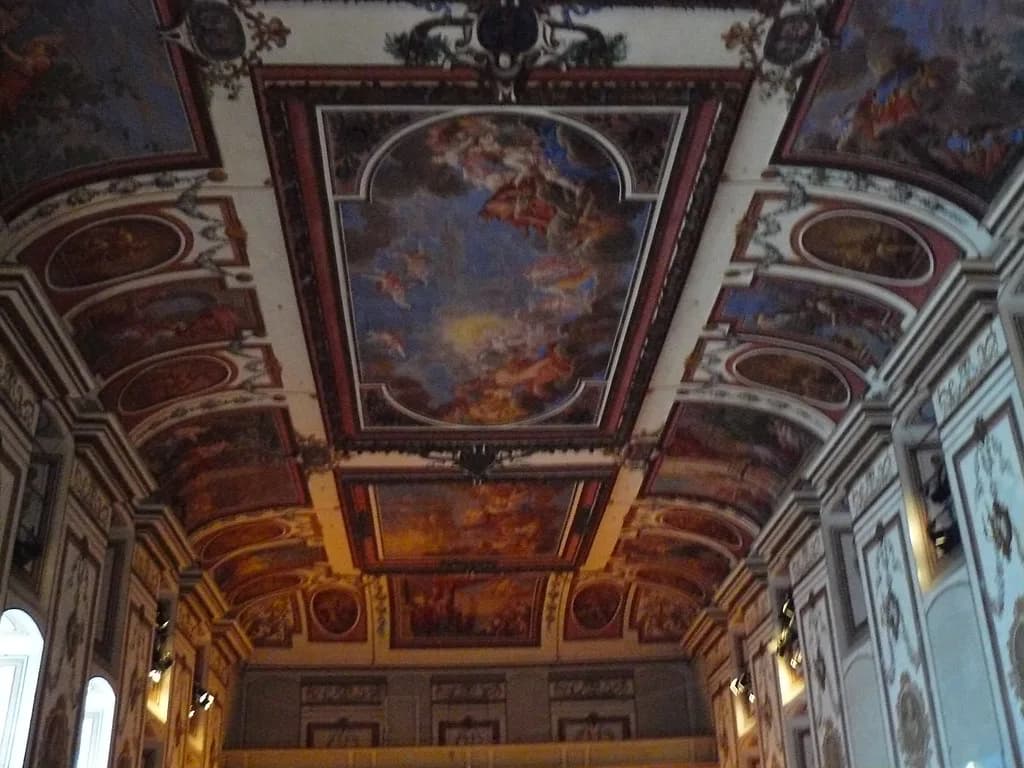
The bel étage and state rooms on the palace tour
The palace tour leads you through the magnificent rooms of the bel étage, the ceremonial first floor, and presents art-historical pieces from the Esterházy collection alongside an impression of court life and festivities. The standout object is the Esterházy family silver, described as the world's largest ensemble of Neoclassical silverware to survive as a set, which is the kind of thing you notice more in person than in a photograph.
The guided tour also takes in the mezzanine storey, where the princess's personal servants lived, and the 17th-century palace chapel, whose organ partly dates from Haydn's time and which he regularly played. That combination of grand rooms and service spaces is what separates the tour from a walk through state apartments alone.
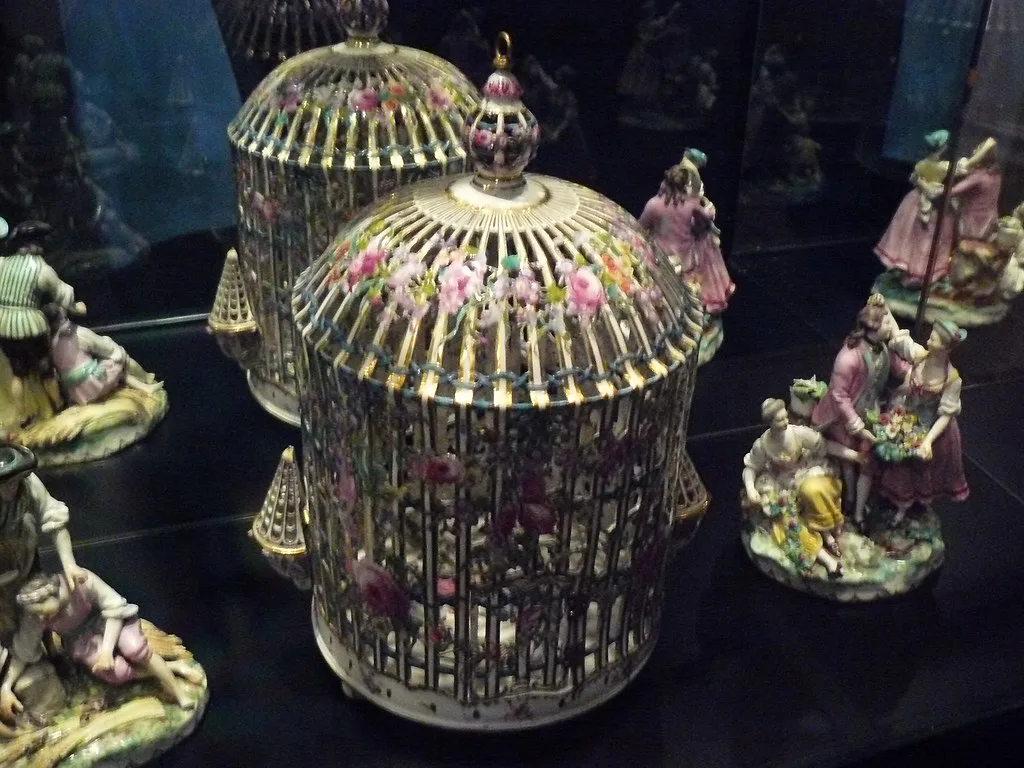
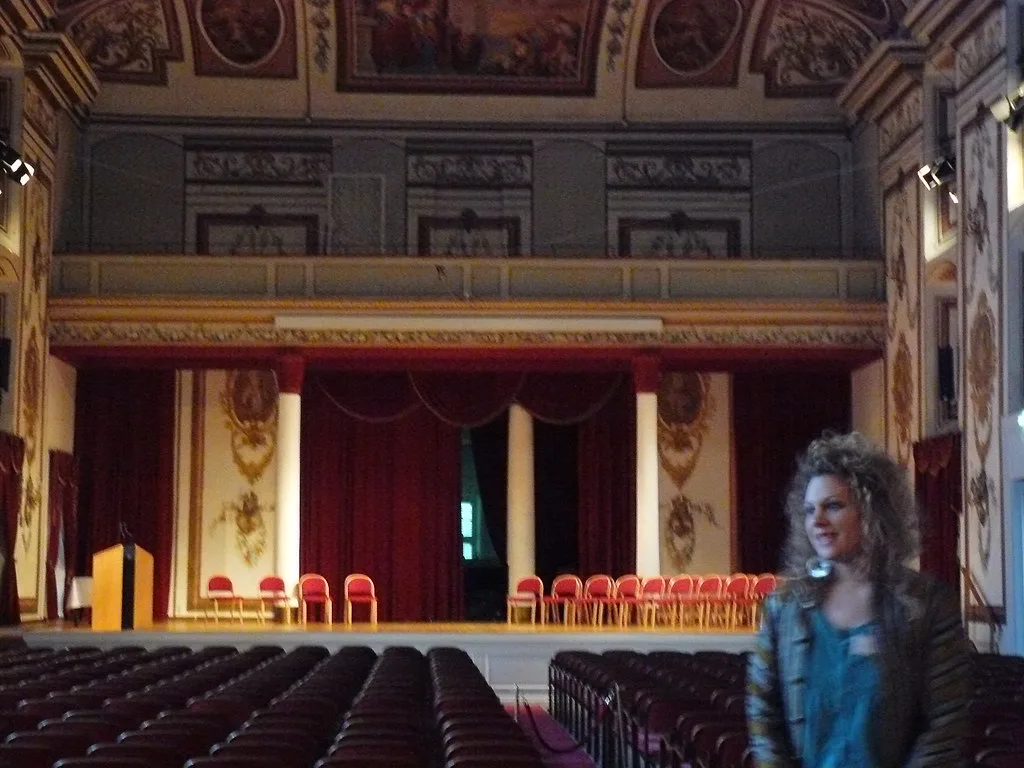
The Haydnsaal, the palace's great hall, still hosts concerts, and the permanent Glanzlichter display of furniture, porcelain and silver is arranged against the historic interiors rather than in neutral cases.
Haydn explosive: the Sala Terrena exhibition
In the Sala Terrena, the exhibition Haydn explosive. Music from revolutionary times uses multimedia stations, project installations and unusual exhibits to trace Haydn's career from his early compositions in Eisenstadt to fame in London and his late work. It also makes the point that Haydn spent about 40 years in the service of the Esterházy princes, working from Eisenstadt and Eszterháza.
This is the exhibition to prioritize if you came for the music rather than the interiors, and it rewards a slower pace than the state rooms. If you want the fuller Haydn picture in town afterward, the Haydn-Haus Eisenstadt is the natural next stop within walking distance.
Glanzlichter, Melinda Esterházy and the princess's apartment
Beyond the tour, the palace's exhibitions include Glanzlichter, a display of furniture, porcelain and finely wrought silver collected by the Esterházy princes, and a five-act exhibition on Melinda Esterházy that follows the prima ballerina absoluta through her stage career and her private life. The princess's apartment opens the restored private rooms of three Esterházy princesses and the household that kept court running.
An exhibition called Ghosts of the Bel Étage sets contemporary Esterházy Art Award winners in dialogue with the state rooms, and the banqueting table installation At the table! recreates aristocratic dining around 1800 in the White Hall. These are the pieces that make a second hour worthwhile if you have skimmed the main rooms.
The Wine Museum in the palace cellars
The Wine Museum occupies cellars more than 300 years old and holds over 700 objects relating to wine and viticulture, from historic barrels to Burgenland's oldest Baumpresse, a type of basket press. It is presented as the largest wine museum in Austria, and the cellar setting, with the adjoining palace kitchen, makes it feel like part of the building rather than a bolt-on gallery.
If your time is tight, this is the section to weigh against the state rooms: the cellars are atmospheric and specific, but they are a different kind of visit from the bel étage. Decide before you buy which single strand matters most.
Tickets, prices and the Burgenland Card
Admission without a card is 19 euros per person, and participation in a fixed guided tour is possible for a supplement, with special and family tours excluded from that arrangement. A children's museum case is 4 euros per person.
Holders of the Burgenland Card get free entry to the palace and a free children's museum case, valid from 1 March 2026 to 28 February 2027 as the tourism board lists it. The palace's own ticket page also lists free entrance with the Niederösterreich-CARD and the Steiermark-CARD, so if you carry a regional card, check yours before paying at the desk.
Buy the palace ticket for the exhibitions you actually intend to see rather than adding everything by default, since the tour supplement and the cellar museum both take time as well as money.
How long to allow, and the Monday and Tuesday pattern
Budget two hours for the bel étage tour plus the Haydn exhibition, and add roughly 45 minutes if you want the Wine Museum and the Melinda Esterházy displays properly. A tight visit fits into 90 minutes, but only if you skip the cellars or the collections.
The scheduling trap is the Monday and Tuesday tour-led pattern: those days do not offer the normal self-guided exhibition window, so a Monday arrival means joining a set guided tour rather than browsing at will, and in winter the English tour is offered only on weekends and holidays. If your itinerary puts you in Eisenstadt early in the week, check the tour times before fixing the rest of the day.
Esterházyplatz and the surrounding center
The palace fronts Esterházyplatz, which makes the square the natural meeting point and a good place to regroup before or after the visit. The tourism board describes the palaces of Northern Burgenland as having magnificent gardens suited to walks, and the Esterházy places are presented in that group, but garden access rules are set by the palace itself rather than the regional description.
Plan the square as a short stop rather than a destination in its own right, and use it to orient yourself toward the rest of the center on foot.
What pairs well with a palace visit in Eisenstadt
The Bergkirche Eisenstadt, with its Haydn mausoleum, is the most logical companion to the palace for anyone following the composer through town, and it sits a short walk away. The Landesgalerie Burgenland Eisenstadt and the Diözesanmuseum Eisenstadt fill out a culture-heavy day if you have the stamina for a second collection.
For a full picture of how these pieces fit together, see the Eisenstadt Attractions: 11 Visitor Guides overview before you commit to a sequence of sights.
Which ticket and which day for the palace
Book around the 1.00 pm English tour and build the rest of the visit from there: exhibitions first, cellar afterward, or the reverse if the Wine Museum is your priority. Avoid Monday and Tuesday unless you are content to join a set tour, and confirm the seasonal pattern before you travel.
Pay at the desk with a Burgenland Card in hand if you hold one, and otherwise budget the 19 euro admission plus the tour supplement as the honest cost of a proper visit.
Explore more Eisenstadt guides
Frequently Asked Questions
Who owns Esterházy Palace?
The palace is run by the Esterházy family's own house as a museum and event venue, not as a state-owned sight. The palace's own site is the authority on current operation and on the related Esterházy venues.
Is Esterházy Palace the same as the Esterházy Palace in Vienna?
No. The palace covered here stands at Esterházyplatz 1 in Eisenstadt, in Burgenland, and it is the family's historic residence with the Haydn exhibitions and the Wine Museum. Vienna has a separate building of the same family name, so check the address before you book anything.
Can I visit without joining a guided tour?
On Wednesday through Sunday and public holidays the palace opens from 10.00 am to 4.00 pm for exhibition visits, while Monday and Tuesday follow a tour-led pattern. If your dates fall early in the week, plan on a tour rather than free browsing.