
Schlossberg Graz: How to Get Up, What to See and How Long It Takes

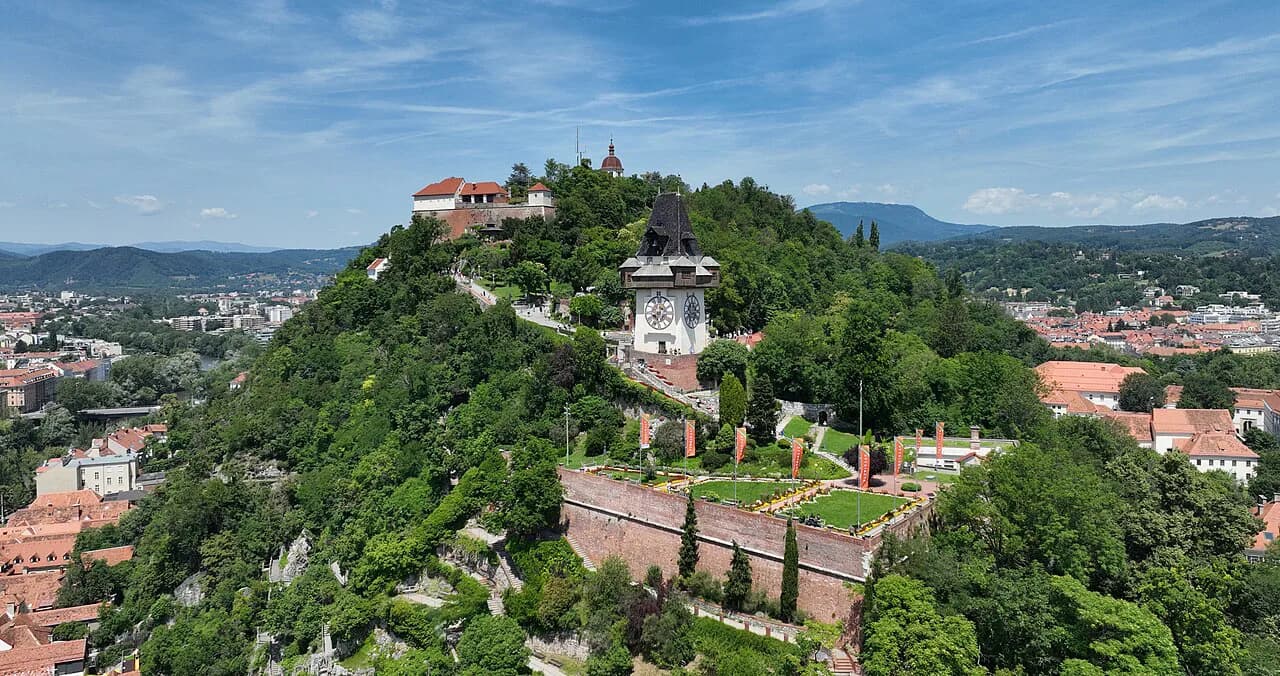
The Schlossberg is the tree-covered hill rising straight out of Graz's old town, and the quickest way to the top is the Schlossbergbahn funicular or the glass lift inside the hill. Allow two to three hours to ride up, see the Uhrturm (Clock Tower), walk the fortress remains and pass through the Schlossberg tunnels, or half a day if you add the old town at the foot. This guide covers the ways up, what is on the hill, and how to slot it into a day in Austria's second city.
Where the Schlossberg sits above the old town
The hill belongs to the UNESCO-listed historic center of Graz and forms its northeastern, mostly green edge, so you can walk from the Hauptplatz into the climb within minutes. Because it rises directly behind the rooftops rather than outside town, the Schlossberg works as a break in a sightseeing day rather than a separate excursion. Treat the old town lanes at its base as part of the same visit.
Graz Tourism builds its one-day city plan around seeing the city's highlights, and its plan pairs the hill with the old town rather than treating either as a separate excursion. That is a useful signal for pacing: the hill is a viewpoint and a park, not a museum you queue for. If you only have an afternoon, do the hill first while the light is good on the red roofs.

Getting up: funicular, glass lift or on foot
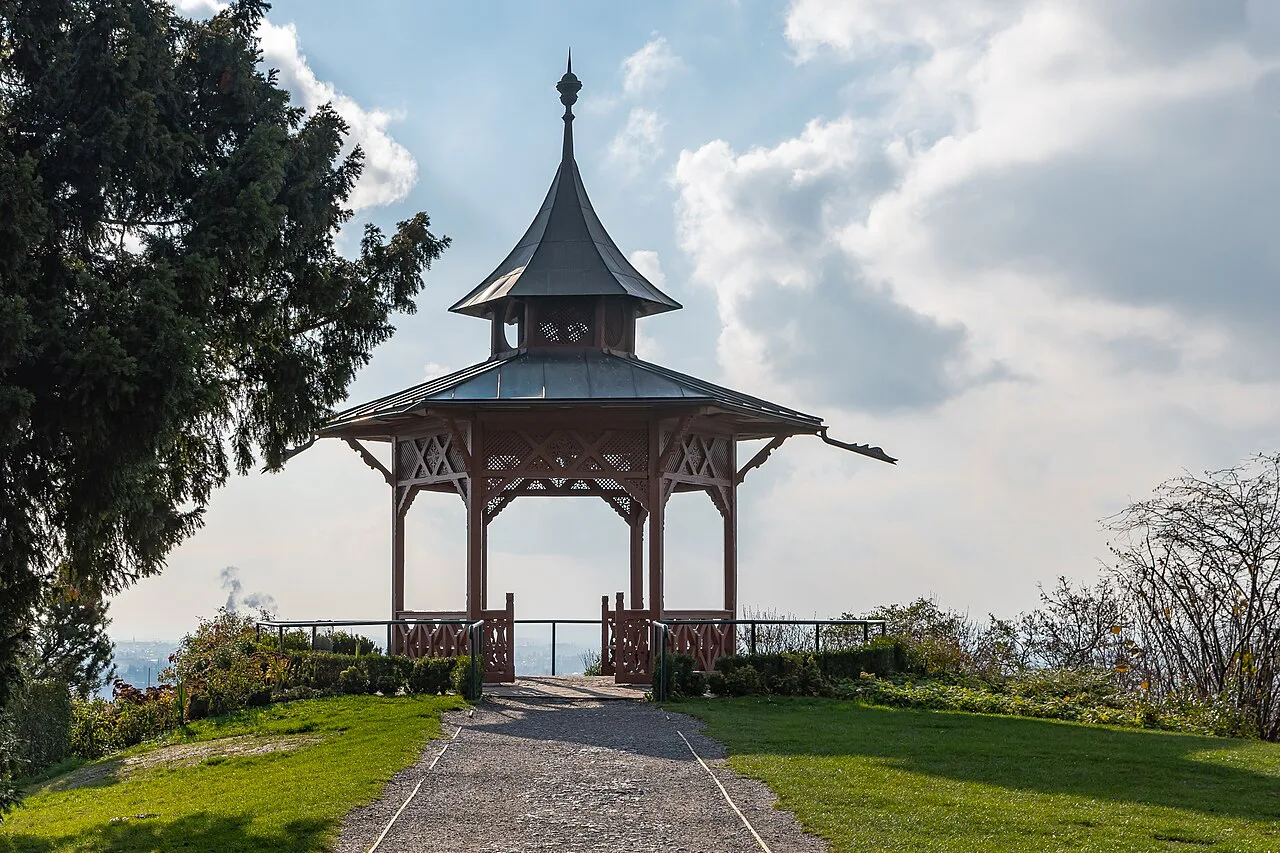
Three routes reach the plateau. The Schlossbergbahn funicular climbs from the Schlossbergplatz side at the foot of the hill, the glass lift runs up inside the rock from the same area, and a network of stepped paths and lanes winds up from the old town. The funicular is the classic choice and the lift the faster, weather-proof one.
Graz Tourism lists the Schlossberg lift and the Schlossbergbahn funicular under mobility in Graz. Check fares and operating times on the operator's own pages before you go rather than relying on a posted sign at the valley station. If the queues at the funicular look long on a summer weekend, the walking paths cost nothing and take only a short climb.
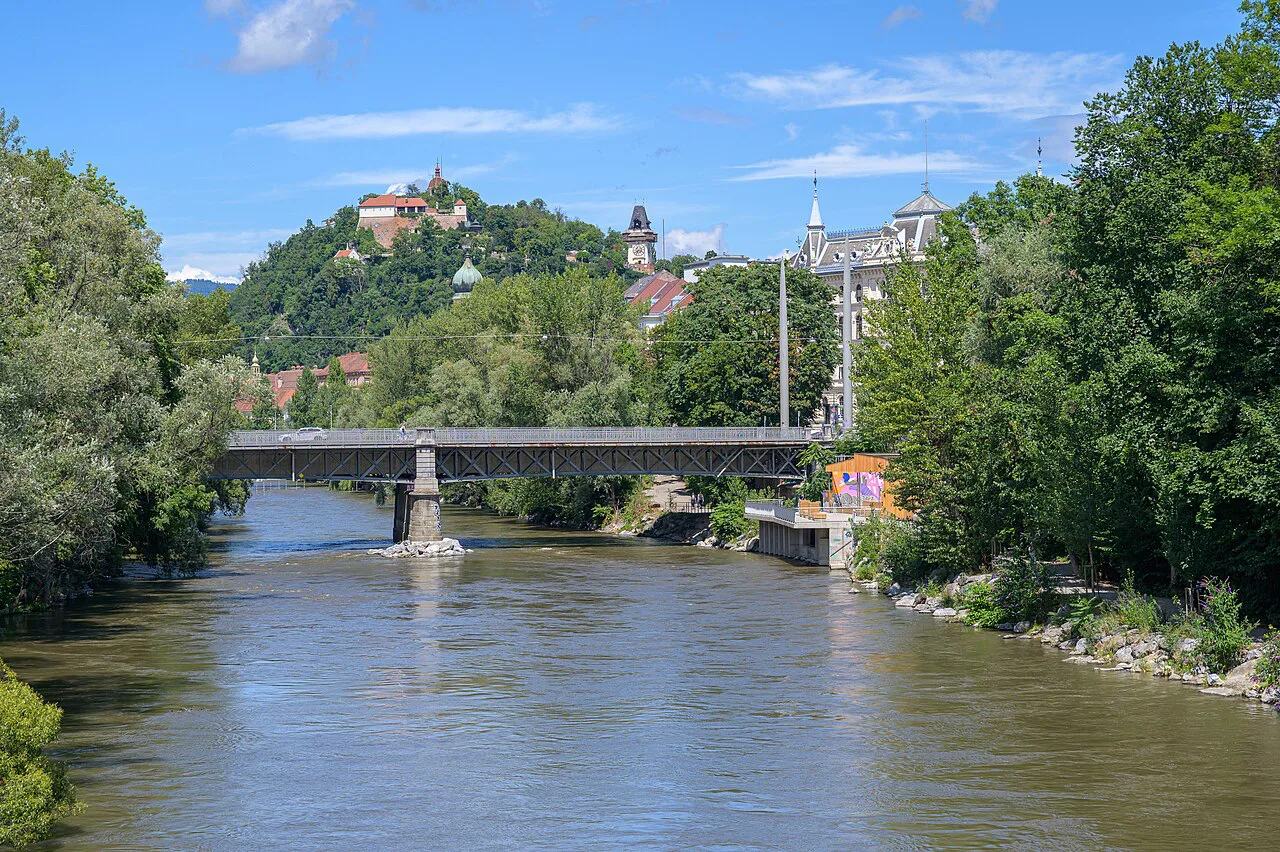
For anyone staying in the Lend district or near the Kunsthaus Graz, the walk up is short enough to make the lift optional on the way back down. The same applies if you arrive from the Murinsel on the Mur River and cross into the old town on foot. Decide the descent based on your knees, not on a schedule.

What to see on top: Clock Tower, fortress remains and tunnels
The Uhrturm is the hill's signature landmark and the postcard image of Graz, and the terrace beside it gives the wide view over the old town roofs. The Uhrturm Graz has its own dedicated guide covering the tower's history and clock faces, so keep this page for the layout of the hill around it. Go early or late for the clearest view; midday in summer brings the tour groups.
Beyond the Clock Tower the plateau holds the remains of the former fortress, lawns, and the Schlossberg tunnels cut through the rock, which give shade and a change of scene between viewpoints. The tunnels and casemates are a distinct stop, not filler between photos, and they are the part most day visitors skip. Budget time for them if you like military history or simply want cooler air in July.
The hill is also treated as a park, with paths, gardens and picnic spots, and Graz Tourism flags picnicking as one of the things to do on and around the Schlossberg. Bring something from a farmers' market in town and eat it on the grass instead of paying for a terrace view. The Altstadt Graz lanes below stay busy well into the evening, so the hill is calmer after the day-trippers leave.
How long the hill takes, and how to fit it into a day
Two to three hours covers the ride up, the Uhrturm terrace, a circuit of the fortress remains and the tunnels at an unhurried pace. If you walk up and down instead of riding, add roughly another hour. Families with young children often spend longer on the lawns and paths than on the sights themselves.
A sensible shape for the day is breakfast in a city cafe, the hill in the morning, then lunch and the museums in the afternoon. Graz Tourism recommends reserving a cafe table at weekends for breakfast, which is worth doing before a hill climb. The Kunsthaus Graz and the Joanneum district then fill the rest of the day.
If baroque interiors are your reason for being in Styria, Schloss Eggenberg in Graz makes a strong second half-day once the hill is done. It is outside the immediate center, so pair it with the Schlossberg rather than trying to squeeze both into one morning.
Tickets and opening times for the funicular and lift
Fares and operating hours for the Schlossbergbahn and the Schlossberg lift are published by the operator, so check the current numbers before you go. Buy on the spot or check whether the Graz Card covers the ride before paying twice. Outside the main season, confirm the lift's hours the day before you go.
The hill itself and its paths are open to anyone who climbs, whatever the funicular is doing. That makes the Schlossberg a reliable fallback when a cable car or a museum in the region is closed. The same rule applies to the tunnels: check locally on the day whether they are accessible.
Nearby: squares and lanes at the foot of the hill
The Hauptplatz and the lanes of the UNESCO-listed historic centre of Graz sit directly below the Schlossberg, so you can step off the lift and be among the facades within a couple of minutes. Graz Cathedral and the mausoleum are a short walk east, and the Stadtpark is a pleasant detour on the way back to the station.
For a different kind of city landmark, the Kunsthaus Graz on the other bank of the Mur is within walking distance of the Schlossberg foot, and the Murinsel Graz floats in the river between the two. Together they make a natural loop back into the Lend district and turn a hill visit into a full circuit of central Graz.
Is the Schlossberg worth the climb?
Yes, and it is the best-value half-day in Graz: the views, the fortress remains and the tunnels come with a short ride or a free climb. Ride up, walk the plateau and the tunnels, then take the paths down into the old town for lunch. Leave the Clock Tower details to its own page and keep this hill for the layout and the walking.
Explore more Graz guides
Frequently Asked Questions
Do I need a ticket to go up the Schlossberg in Graz?
The hill and its paths are open to walkers without a ticket. The Schlossbergbahn funicular and the glass lift charge a fare, so check current prices and hours with the operator before you travel.
How long does it take to see the Schlossberg?
Allow two to three hours for the ride up, the Uhrturm terrace, the fortress remains and the Schlossberg tunnels at a relaxed pace. Walking both directions instead of riding adds about an hour.
Can I visit the Schlossberg in the rain?
The glass lift runs inside the rock and the tunnels give shelter, so a wet day still works. The terraces and lawns will be slippery, and the view over the old town closes in.