
Vorarlberg Museum in Bregenz: A Visitor's Guide to the State Museum

The Vorarlberg museum is worth about two hours if you want the building and one or two exhibitions, and around half a day if you read the collections properly. It stands at Kornmarktplatz 1 in Bregenz, on the lakeside row of cultural buildings a short walk from Lake Constance, and it is the state art and cultural museum of Vorarlberg. This guide covers where it sits in town, what the building and collections hold, how to pace a visit, and where to check hours, fees and tours.
Where the museum is and how to fit it into a walk
The address is Kornmarktplatz 1, 6900 Bregenz, and the museum lists this as its contact location on the official site. It forms part of a cluster of cultural buildings set along the water side of Lake Constance, so it slots naturally into a lakefront walk rather than a separate trip out of town. Arrive on foot from the harbor or the lake stage and you meet the museum at the point where the town turns toward the water.
Bregenz's rail station puts you within a signposted walk of the lakefront and the old town, and the museum sits between the two. If you are working through the town in a day, treat the museum as the indoor half of a circuit that starts in the Oberstadt Bregenz and finishes by the water. The Oberstadt, the upper town on its hill, holds the Martinsturm Bregenz and lanes that reward a slow hour before you drop down to the lake.
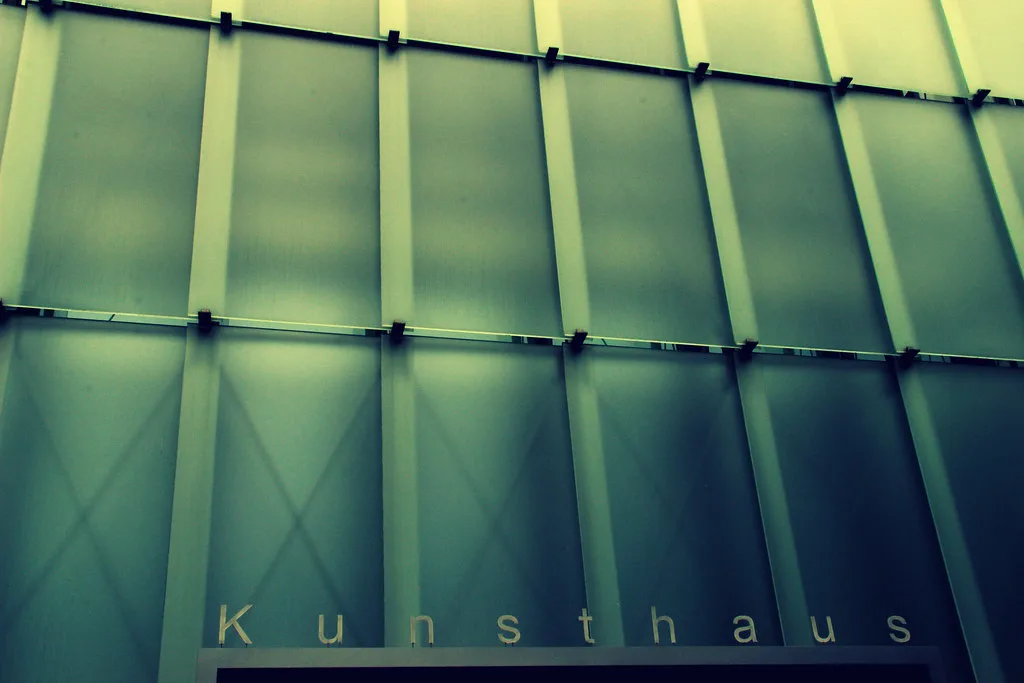
Two other stops sit close enough to combine with the museum. Kunsthaus Bregenz, Peter Zumthor's glass-clad art house, is the obvious partner for a modern-art afternoon, and the Pfänder Bregenz cable car above town gives you the view back over the lake when the weather is clear. Pick the museum plus one of these rather than trying all three, because each rewards unhurried attention.

What the museum holds
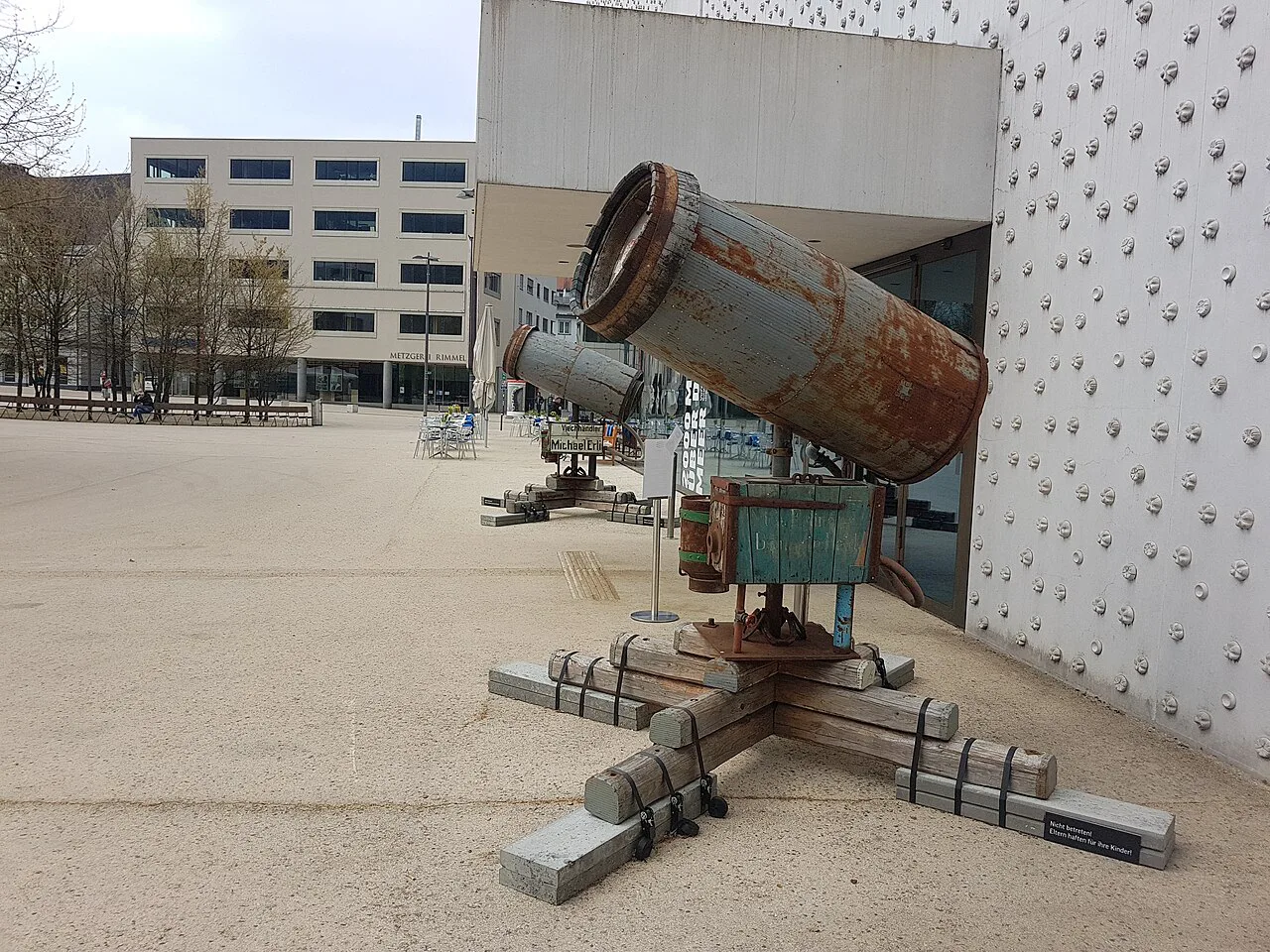
This is Vorarlberg's state museum, known as the Vorarlberger Landesmuseum until it took its current name and moved into the new building. Its collections cover archaeology, history, art history and Vorarlberg folklore, and they are continuously enlarged and refreshed. That four-part spread is the key to judging whether the museum suits you: it is a regional museum, not a single-subject gallery, and the folklore and archaeology material is as central as the art.
The museum describes its purpose as setting Vorarlberg subjects in a national and international context, so exhibitions tend to start from something local and open outward. If you are traveling through the region, this is the place to make sense of what you have seen in the towns and valleys around you. If you want only contemporary art, Kunsthaus Bregenz is the better single stop.
The building and the Panorama room
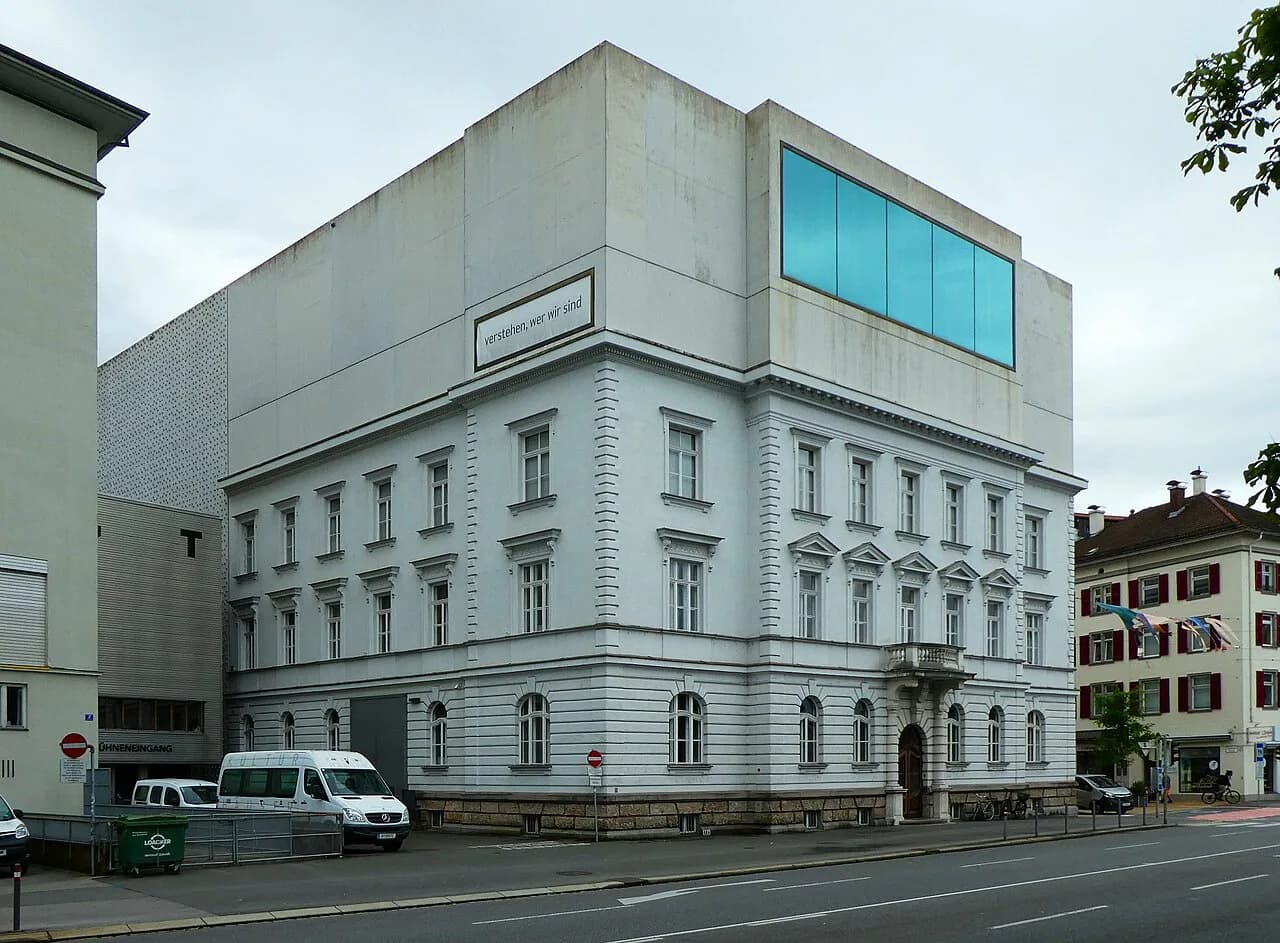
Cukrowicz Nachbaur Architekten completed the current building in 2012, extending a listed structure vertically and horizontally rather than replacing it. The architects describe the approach as architectural continuity: the new volume grows out of the old one, and the parts are distinguished by surface texture rather than by contrast. In practice that means you should look up and look closely before you go in, because the facade is the first exhibit.
Allow a few minutes outside on Kornmarktplatz before buying a ticket. The new volume grows from the listed building that stood before, with the old and new parts distinguished by surface and texture rather than by contrast, and the building is one of the reasons the museum sits on the lakeside cultural row.
Inside, the museum's own site names the Panorama room as one of the highlights, alongside the exhibitions. Build it into your route through the building instead of leaving it for the exit, because it frames the town and lake you have just walked through.
What to see inside
Check the exhibitions page on the museum site before you go, since it carries the current and upcoming program and the archive of past shows. Exhibitions are drawn from the four collection areas, so a single visit may move from archaeological finds to contemporary work in a few rooms. Decide in advance which two or three shows interest you and let the rest go.
The museum runs a broader program of lectures, concerts, theater and workshops alongside the galleries, developed for different audiences. Those events are listed in German on the site, so read the program only if you have German or are willing to work through it. For most visitors the galleries and the building are the visit.
How long to allow and how to pace it
Two hours covers the building, the Panorama room and one or two exhibitions at a comfortable pace, which is the right shape for a day that also includes the lakefront and the Oberstadt. Give it three hours or more if you read labels in the archaeology and folklore sections, where the regional detail is densest. The mistake is to treat the museum as a rain-stop filler and then rush the part that explains the rest of your trip.
Begin with the collections or exhibitions that interest you least and finish with the one you came for, leaving time for the view and the Panorama room. The museum runs a Museumscafé on site, which makes a sensible pause before you walk on to the lake.
Tickets, opening hours and guided tours
The museum publishes opening hours and entrance fees on its visit page, and that page is the only place to take the figures from on the day you go. It also covers access, house rules and online tickets, so you can buy ahead if you want to skip the desk. Read the guided tours page at the same time if you prefer a led visit, since tour types and times sit there.
Ticket prices, closed days and tour schedules change with the season, and the museum's own pages carry the current version. Check them the week you travel rather than relying on a printed guide.
Nearby after the museum
Kunsthaus Bregenz sits in the same lakeside quarter, so pairing the two makes a compact art day without crossing town. The lakefront itself, with the Bregenz Lake Stage (Seebühne) used by the Bregenzer Festspiele, is a short walk and worth a look even outside performance season.
If you have a car or time for a longer walk, Kloster Mehrerau Bregenz, the Cistercian abbey on the lake edge, and the Gebhardsberg Bregenz viewpoint above town extend the day in opposite directions. Both suit the same afternoon as the museum only if you start early.
For the full set of town stops, from the lake stage to the upper town, work from a single overview rather than piecing it together on the ground. The Bregenz Attractions: 8 Visitor Guides page maps the pieces and links each one.
If your time in Bregenz is short
With half a day, choose between the museum and Kunsthaus Bregenz and do one of them properly. The museum wins if you want to understand Vorarlberg as a region; Kunsthaus wins if contemporary art is the reason you came. Doing both in an hour each leaves you with the lobby of each and the substance of neither.
Skip the special exhibitions rather than the permanent collections when you are pressed, and never skip the Panorama room; it takes minutes and gives you the geography of the lake in one view. Build the walk from the Oberstadt down to the water around whichever museum you choose, and you still see the town.
Is the Vorarlberg museum worth your afternoon?
Yes, if you want the region explained rather than just photographed. The museum combines a building worth studying with four collections that give context to everything else you see in Vorarlberg, and two hours is enough to leave with more than you arrived with.
Take the address, Kornmarktplatz 1, and the lakeside walk as your plan, then confirm hours, fees and tour times on the museum's visit page before you set out. Pair it with the upper town or the Kunsthaus, not both, and the afternoon holds together.
Frequently Asked Questions
Do I need to book Vorarlberg museum tickets in advance?
The museum sells tickets online as well as at the entrance, so advance booking is an option rather than a requirement. Check the visit page for current entry rules before you go.
How far is the Vorarlberg museum from Bregenz's lakefront?
It stands at Kornmarktplatz 1 as part of the row of cultural buildings along the water side of Lake Constance, a short walk from the harbor and lake stage.