
Oberstadt Bregenz: A Visitor's Guide to the Upper Town

The Oberstadt is the oldest part of Bregenz, stacked on the slope above the lakefront and the lower town, and the Martinsturm is the ticketed sight that anchors it. Plan on the tower as a short, paid visit and the surrounding lanes as a free walk; together they fill an afternoon rather than a day. This guide covers where the quarter sits, how to walk up from the Kornmarktplatz and the harbor, what waits inside the tower, what tickets cost and which nearby stops fit the same outing.
Where the Oberstadt sits above the lake and lower city
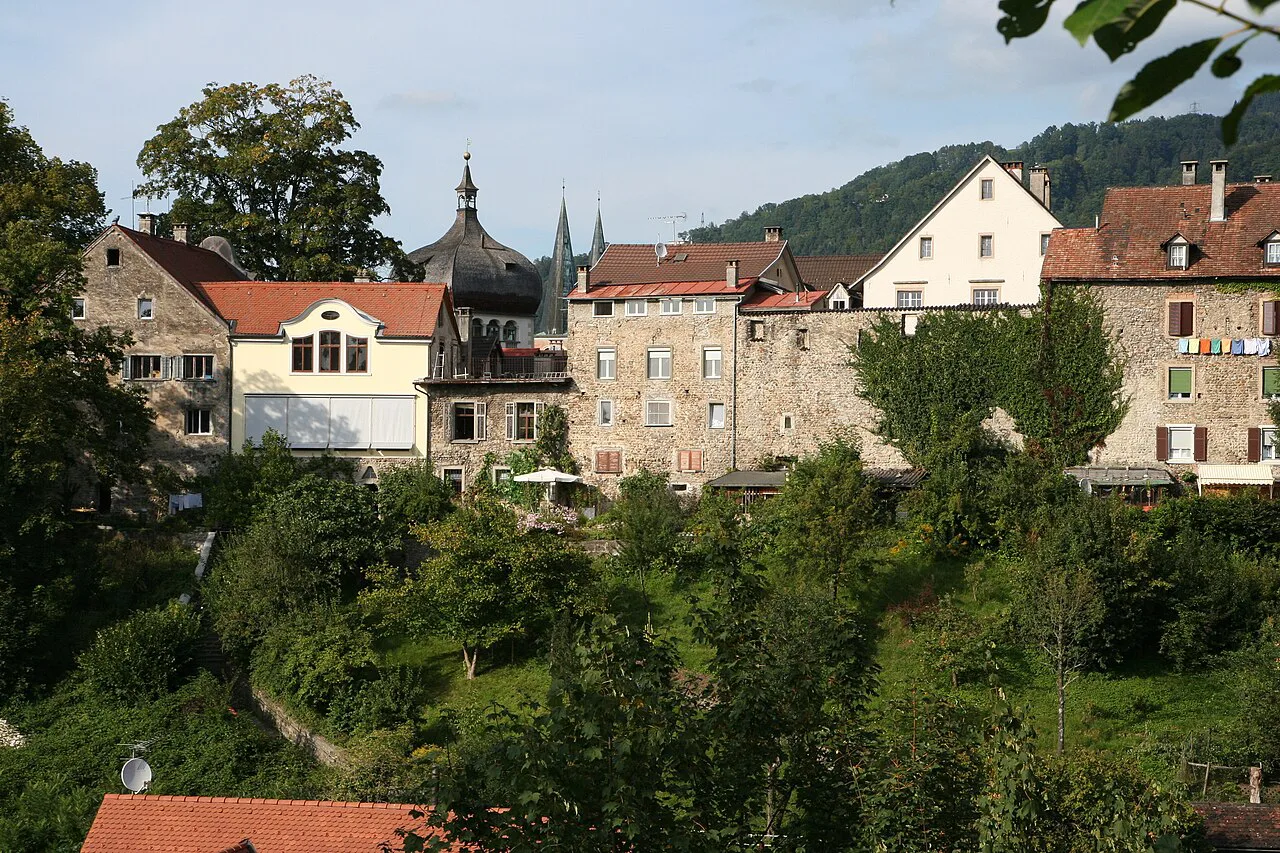
Bregenz spreads across levels: the shore of Bodensee with the harbor and lake stage, the commercial lower town, and the Oberstadt on the rising ground behind it. The upper quarter is where the medieval town took root, which is why its streets are narrow and steep while the waterfront is broad and flat. Work out your route from the water first, because almost every approach to the upper town is a climb.
For orientation, treat the Kornmarktplatz in the center as the hinge between the levels: the harbor and lakefront lie below it, and the Oberstadt lanes rise above it toward the Martinsturm. Arriving by train puts you at the Bregenz station, a short walk from the center rather than up in the old quarter, so budget a gentle uphill approach before the steeper lanes begin. The reward is that the old town, the shore and the Kunsthaus all sit within easy reach of one another.

Walking up from the Kornmarktplatz and the lakefront
From the lakefront you climb in stages: past the harbor area, through the lower shopping streets, then into the stepped lanes of the upper town. The gradient stiffens as you enter the old quarter, and the paving includes steps and uneven stone, so footwear matters more than distance. There is no shortcut that flattens the hill, and the climb is the price of the view.
Families with small children should note that the last stretch to the Martinsturm is the steepest part of the walk, and there is a generous playground at the far end of the upper town. Walking times vary with pace and crowds, so leave slack before a timed tour.

The Martinsturm: the tower that anchors the quarter
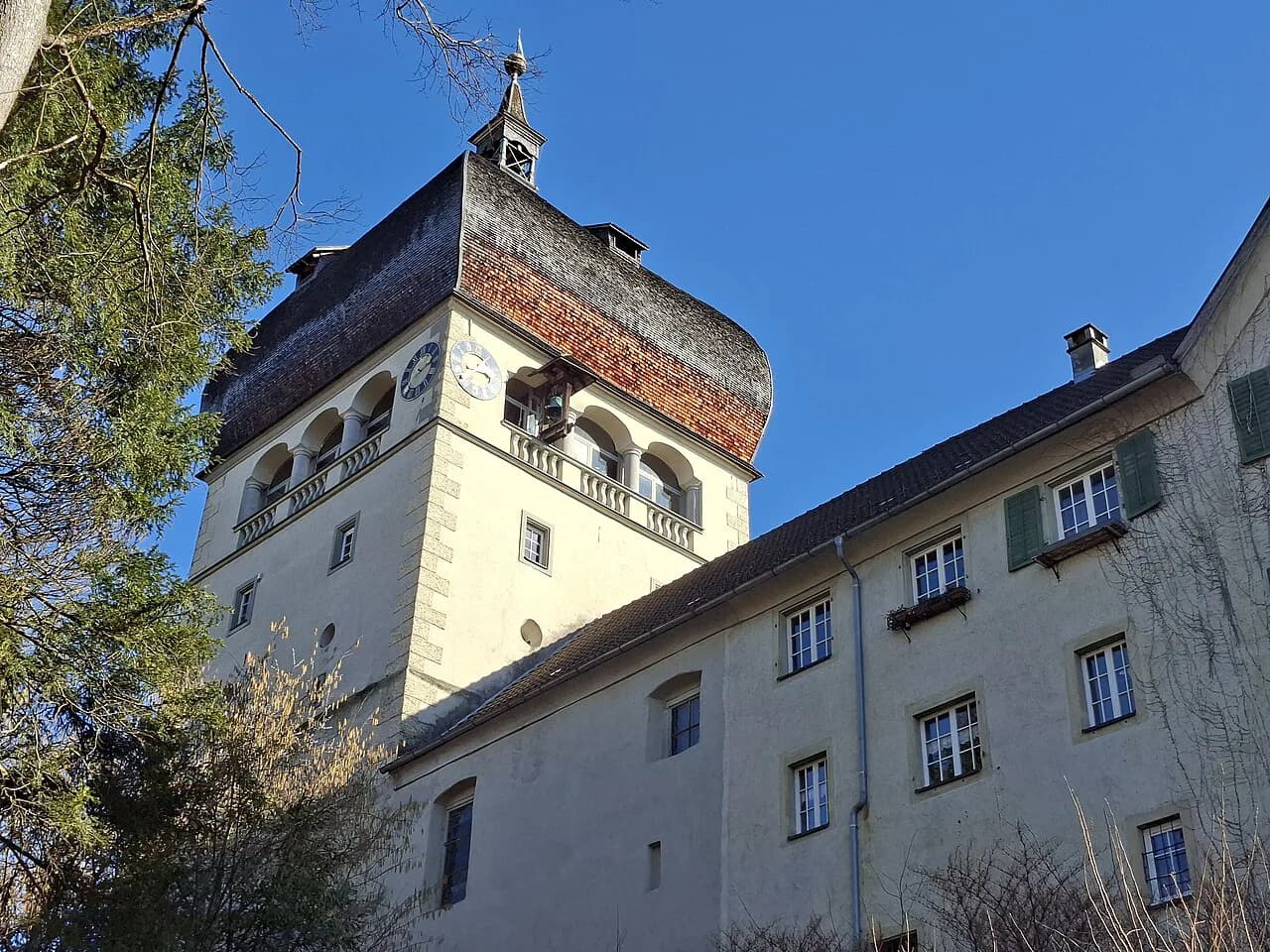
The Martinsturm is the landmark of the Oberstadt, a medieval tower rising above the roofs so that it reads as the quarter's exclamation point from the lower town. Its lower chapel, the Martinskapelle, ties the structure to the religious life of the old town, and the tower has served the city in very different roles over the centuries. Today it is a museum piece first and a viewpoint second, which is the right order for planning.
Getting to it is simply a matter of following the old lanes upward until the tower fills the view; there is no separate entrance complex or visitor center to find. The tower carries an admission charge, while the lanes and squares around it are open to walk.
Inside: the city-history exhibition and the top-floor panorama
The tower holds a permanent exhibition on the history of Bregenz, installed after the building stopped serving as a local and military museum. That earlier chapter ran from 1961 until 2011, so visitors who remember display cases of uniform and weaponry will find a different building inside. Read the panels on the way up; they explain how the town grew between lake and slope.
The payoff is the upper level, where the walls open to a full circle of outlook over the town, the lake and the mountains behind. It is the best single vantage point in the quarter for understanding how Bregenz is put together: water in front, town in the middle, Alpine ridges behind. Allow time to walk the full circuit rather than snapping one photo and descending.
Martinsturm tickets, reduced rates and cards that cover entry
Admission is modest and tiered. Adults pay 5 euros, children up to 15 years pay 2 euros, and students, seniors and those doing civilian or military service pay 3.50 euros. School groups pay 2.50 euros per person with a guided tour and 1.50 euros without.
Holders of the V-Card and the Bodensee-Vorarlberg-Freizeitkarte enter free, which changes the arithmetic if you are already carrying either card for other Bregenz sights. The V-Card also covers a single entry to the Kunsthaus Bregenz and the Lochau lakeside pool, so the tower can be the free bonus in a card day rather than a separate purchase.
How long the tower visit takes and how the viewing level works
Count on a compact visit: the exhibition is intimate and the climb to the top is short, so the tower works as a brief stop, longer if the history panels hold you. The third floor opens to a round view over Bregenz, the lake and the mountains, which is the reason many visitors come. On a clear day the lake stretches away and the mountains line the far shore.
Because the tower is small, crowds matter more than at a large museum. Mid-morning and late afternoon are calmer than the middle of the day, when walking groups pass through the upper town. If you want the panorama to yourself, head up first and save the lanes for afterward.
Guided tours and when to book them
Tours of the Martinsturm are arranged on request rather than run at fixed public times, and a guided tour costs 5 euros per person. That means you should contact the city ahead of a group visit instead of turning up and expecting a departure slot that day. For solo travelers and couples, the exhibition panels and the view make a tour optional.
School groups have their own pricing structure, with a lower per-person rate when no tour is booked, which suggests organizing the group booking in advance either way. Confirm the current arrangement directly with the city before you build a group schedule around it.
What else to see on a walk through the Oberstadt lanes
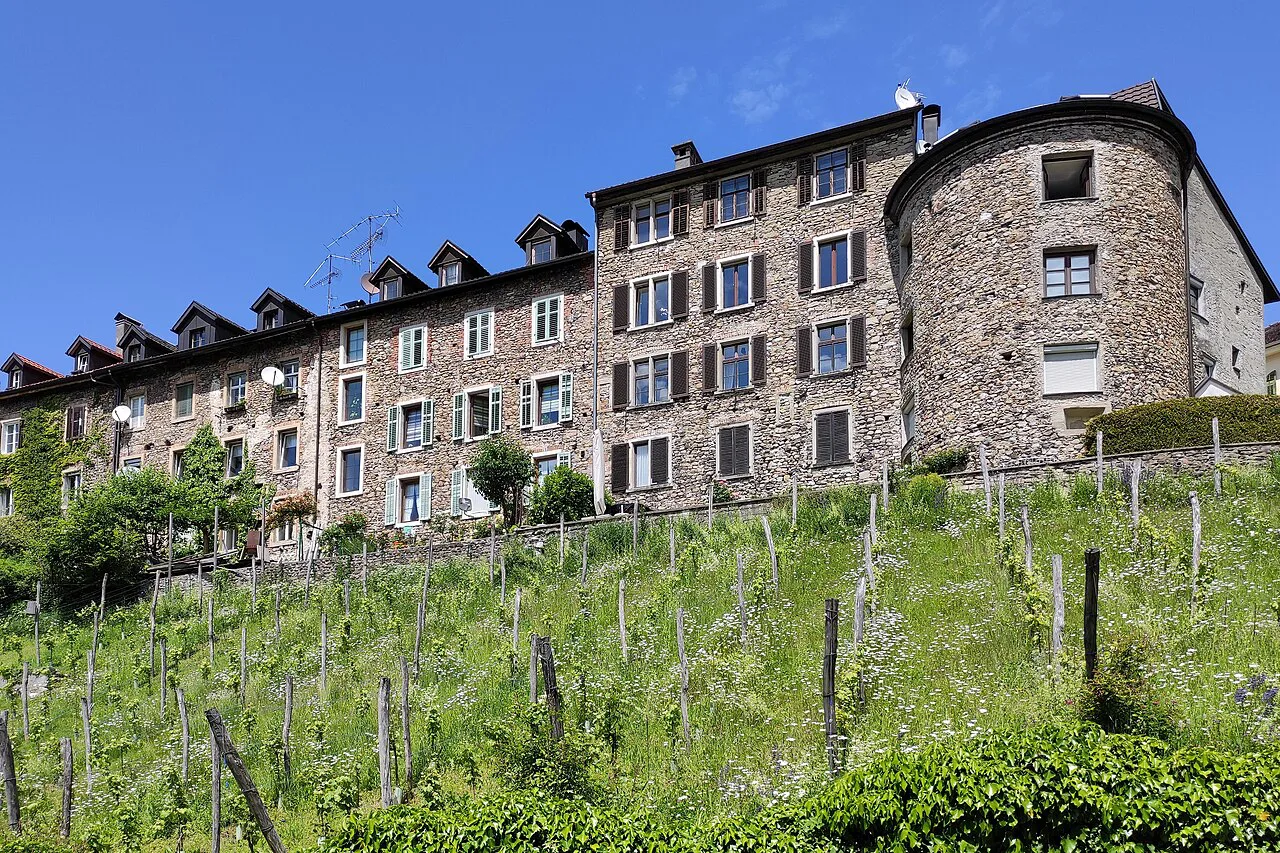
Beyond the tower, the pleasure of the upper town is the walking itself: short lanes, small squares and old facades that reward a slow loop rather than a checklist. The Martinskapelle belongs to the tower complex and is part of the same visit, so there is no second ticket to buy. Give the quarter an hour of wandering on top of your time in the tower.
At the far end of the upper town, roughly 200 meters from the tower, a large playground sits beside the Bundesdenkmalamt, the federal monuments office, with chestnut trees for shade. It makes a sensible breather if you have children along, or a quiet bench stop if you do not. From there the lanes lead back down toward the center.
Nearby: Kunsthaus Bregenz, the lakefront and the lakeside pool
The Kunsthaus Bregenz stands in the lower town near the shore rather than in the Oberstadt, so pair the tower with it by walking downhill afterward. Its program is contemporary art, with much of the work made on site, which suits a different mood from the historical exhibition. Check what is showing before you go, since a single large installation can occupy the whole building.
Back at lake level, the harbor, the lake stage and the shore promenade close the loop; the Bregenzer Festspiele uses the floating stage in summer, which is worth passing even without a ticket. A short trip out of town reaches the Lochau lakeside pool, one of the better swimming spots on this stretch of shore, with views across the bay. Beach chairs and sunshades there carry a fee.
Seasonal opening: what to confirm before the climb
The Martinsturm does not keep year-round visitor hours; the city announced a May 1 opening and an end-of-October close for its 2018 season, and the tower follows a seasonal pattern rather than staying open through winter. Before you plan a climb out of season, confirm the current opening dates and daily hours with the city. The lanes of the Oberstadt remain walkable regardless.
Is the Martinsturm worth the climb?
Yes, if you want the clearest read on how Bregenz fits together and you are in town during the tower's open season. The entry fee is small, the exhibition gives the view context and the circular gallery delivers the lake-and-mountain panorama that the lower town cannot. Skip it only if stairs and wind are a problem, and take the lanes of the Oberstadt on foot instead.
Explore more Bregenz guides
Frequently Asked Questions
What is the closest airport to Bregenz?
Bregenz sits on the eastern end of Bodensee, with Zurich, Memmingen, Friedrichshafen and Innsbruck all serving the wider region. Compare rail connections from each before choosing, because the onward train ride varies considerably.
How do I reach the Oberstadt without a car?
Bregenz station is in the lower town, a short walk from the Kornmarktplatz, and the upper town rises above the center on foot. Local buses serve the town, but the old lanes themselves are pedestrian and steep.
Does the Bregenz opera have a dress code?
The Bregenzer Festspiele performs on a floating lake stage in summer, and audiences dress comfortably for an outdoor evening rather than formally. Bring a layer for cool air off the water.