
Museum Arbeitswelt Steyr: What to See Inside the Working World Museum

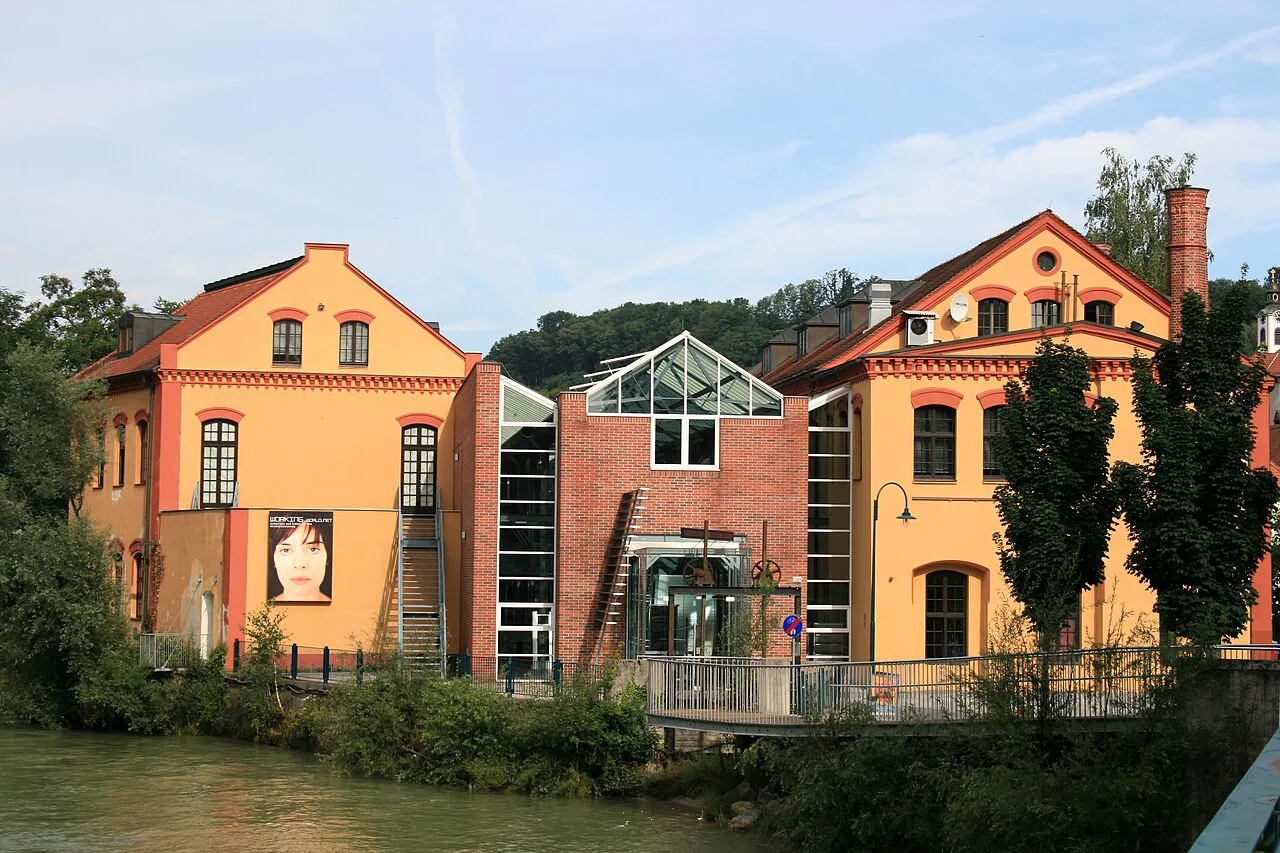
Museum Arbeitswelt Steyr is the one museum in Steyr built around work itself: a working-world exhibition inside a revitalized 19th-century factory building in the Wehrgraben quarter, a short walk from the old town. Allow about two hours for the permanent display, the LABOUR LAB and the Stollen der Erinnerung, and longer if a talk or reading is on that day. This guide covers where the museum sits, what each exhibition asks of you, how to pace the floors, and where to confirm hours and ticket prices before you travel.
Where the museum is in Steyr
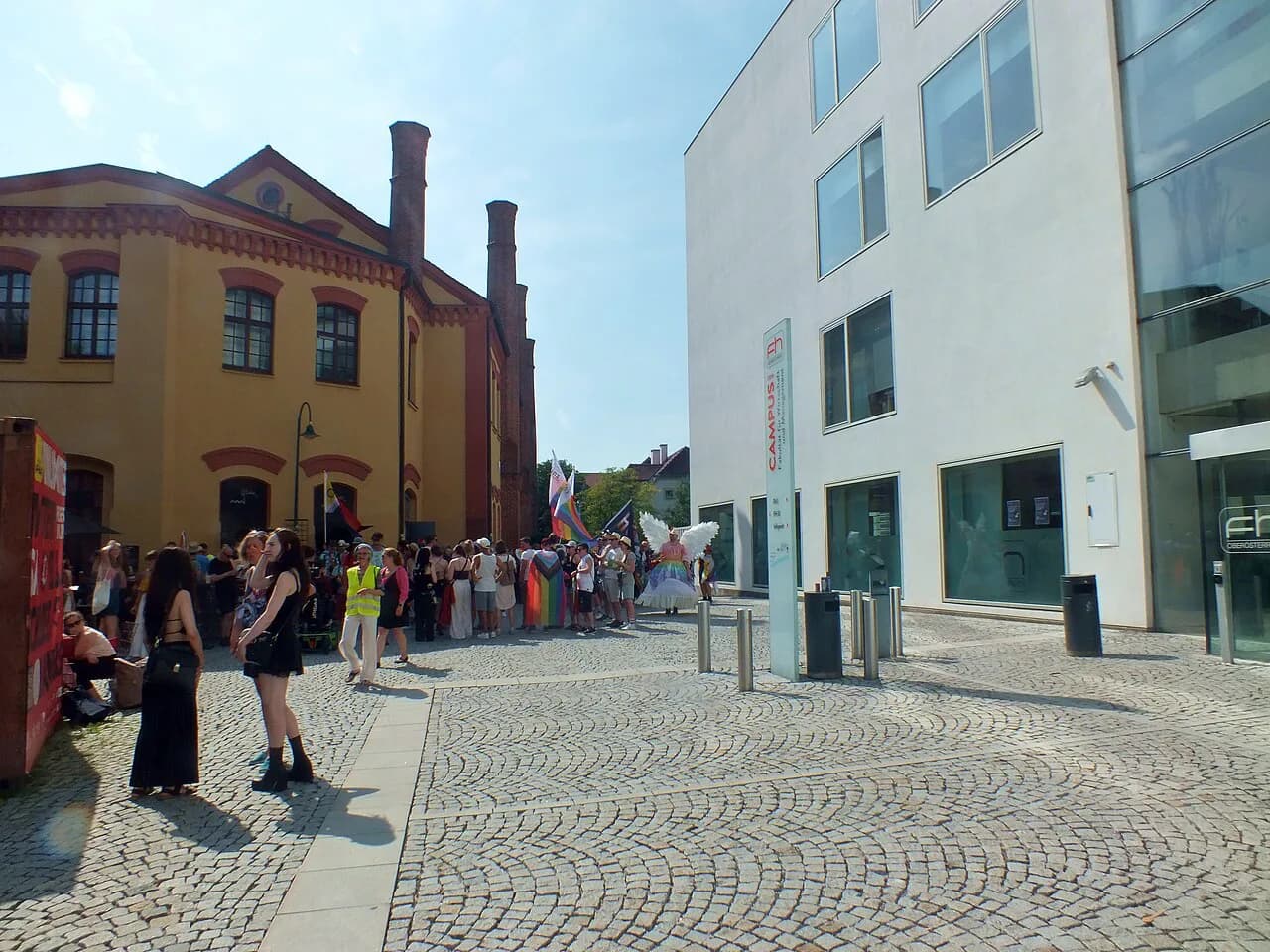
The address is Wehrgrabengasse 7, 4400 Steyr, in the Wehrgraben district on the northeast side of the old town. From the historic center, cross the Steyr river and walk uphill along Wehrgrabengasse; the museum occupies a converted factory building of the 19th century, so the setting itself explains why the collection lives here. Give the walk from Stadtplatz Steyr about ten to fifteen minutes and wear shoes that handle cobbles and a moderate slope.
Steyr sits in Upper Austria, roughly midway between Linz and the Eisenwurzen foothills, and trains and regional buses from Linz are the usual approach for travelers without a car. From the station, continue on foot or by local bus into the center, then follow the river to Wehrgrabengasse. The quarter rewards a slow arrival: brick mill buildings and the narrow street grid make the industrial past legible before you pay for a ticket.
The museum faces a short stretch of the Wehrgraben area that is easy to combine with a walk along the river and back down toward the old town squares. If you start with the town, the Bummerlhaus and the elongated Stadtplatz Steyr make a natural prelude before climbing to the factory building.

The permanent working-world exhibition
The core display traces how working life has changed over recent decades and sets out current developments and future challenges. Expect a mix of objects, images and explanatory panels rather than a single chronological march; the strength is comparison, between older factory labor and today's service and knowledge jobs. Read the introductions at each section first, because they frame the detail cases that follow.
Labor history museums reward readers who slow down: pick two or three themes that matter to you, such as automation or migration into industrial work, and follow them through. The building's own fabric, factory floors and industrial windows, is part of the argument about how workplaces were organized. Budget around an hour for this display alone if you read labels, less if you skim.

The LABOUR LAB interactive space
The LABOUR LAB is an interactive laboratory at the museum that uses digital technologies to bring the past and future of work into one space. Think hands-on stations rather than vitrines, and expect to spend twenty to thirty minutes trying the interfaces and reading the accompanying context. It is the part of the collection that most directly suits visitors traveling with older children or anyone curious about how digital tools are reshaping jobs.
Stollen der Erinnerung and the Energiewende site
Two further parts of the museum sit alongside the main exhibition: the Stollen der Erinnerung, a memorial site, and an Energiewende section on the energy transition. Plan them as separate short stops rather than one continuous sweep, because the first is reflective and the second looks forward to how work and energy policy connect. Confirm the current presentation of each at the ticket desk, since temporary formats change.
If your interest is the town's industrial memory, leave the Stollen der Erinnerung for last so you exit onto Wehrgrabengasse with the factory walls in view. If you are visiting with someone focused on climate and energy, take that section first while attention is fresh. Each takes fifteen to twenty minutes at a reasonable pace.
How long to allow and how to pace a visit
A sensible plan is ninety minutes for the permanent exhibition and the LABOUR LAB, then another half hour if both the Stollen der Erinnerung and the Energiewende display matter to you. The floors are not huge, but texts are dense in German with summaries, so reading time is the real variable. Arrive in the morning if you want the interactive stations without waiting, and leave the final half hour for the riverside walk back.
Pair the museum with the rest of the Wehrgraben quarter rather than stringing it into a five-sight day; the contrast between the industrial street and the baroque squares below is the point of coming up here. Travelers who want a broader plan for the town can use the Steyr Attractions: 5 Visitor Guides overview to slot the museum into a half day.
Opening days and hours
The museum publishes its own hours: Wednesday to Friday from 9 to 17, and Saturday, Sunday and public holidays from 10 to 17. It is closed on Monday and Tuesday. Hours can change around public holidays, so check the museum site the week you travel.
ADAC Maps gives the same address and phone number but lists slightly different weekday hours, Wednesday to Sunday from 10 to 17, and also gives Monday and Tuesday as closed days. Where the two differ, the museum's own published hours are the ones to plan around.
Tickets and where to confirm prices
Event tickets are sold through the museum's external webshop, linked from its events pages, so buying ahead is the safe route when a talk or reading is scheduled. Admission is paid at the museum; no admission price is published on the pages here, so check the museum site for the current figure before you set a budget.
Talks, readings and children's programs
The museum runs a seasonal calendar of talks, readings, film screenings, concerts, cabaret evenings and culture programs for children, with some film screenings held at the City Kino Steyr rather than in the museum itself. Recent seasons have included political discussions, a mobility and energy-transition talk, a children's theater piece and a November commemorative concert, though the specific lineup changes each year. Treat the calendar as a way to time a visit, not as a fixed schedule.
Most evening events require a ticket, and the webshop is where you reserve a place. If you are in Steyr for a single afternoon, check the calendar first: a talk on the day you planned to browse transforms the museum into a two-part visit with a fixed start time.
Nearby in Steyr and Christkindl
Back in the old town, the Stadtmuseum Steyr and the Kachelofenmuseum are the other museum stops ADAC Maps lists nearby, and the Mechanische Krippe in Christkindl, a mechanical nativity scene in the pilgrimage village on the edge of town, is a further add-on worth knowing about.
For the baroque side of town, walk down to the Bummerlhaus in Steyr, one of the square's late-Gothic burgher houses, and continue to Schloss Lamberg Steyr above the confluence of the Steyr and Enns rivers. Both fit comfortably before or after the museum and can be viewed from the outside.
Is Museum Arbeitswelt worth the walk uphill?
Yes, if you want one museum that explains how a factory town became what it is, rather than another collection of religious art. The walk up Wehrgrabengasse costs fifteen minutes and delivers the industrial quarter as context, which is the museum's real advantage over a city-center stop.
Go on a Wednesday to Sunday, plan around ninety minutes to two hours, and check the museum's own site for the day's hours and admission price before you climb the hill.